As demand for solar energy continues to grow across residential and commercial markets in the United States, contractors are facing increasing pressure to deliver projects on time, on budget, and with reliable equipment. However, one of the biggest challenges many contractors encounter is not installation—it’s sourcing the right solar equipment efficiently.
From supply chain delays to product compatibility issues, inefficient procurement can quickly turn a profitable project into a costly one. In 2026, successful contractors are those who streamline their sourcing process and work with reliable partners to ensure smooth project execution.
The Growing Demand for Solar Equipment
The solar industry has experienced rapid expansion in recent years, driven by rising energy costs, government incentives, and a strong push toward sustainability. As a result, contractors are managing larger and more complex projects, often requiring a combination of solar panels, inverters, energy storage systems, and balance-of-system components.
Common Procurement Challenges Contractors Face
-
Inventory Availability
One of the most common issues is inconsistent inventory. Popular products such as hybrid inverters and lithium battery systems often sell out quickly, leaving contractors scrambling for alternatives.
-
Compatibility Between Components
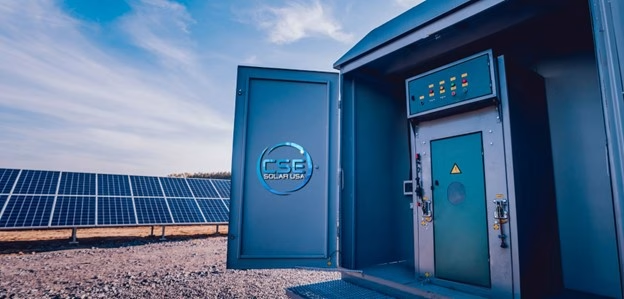
Not all solar components are designed to work seamlessly together. Selecting the right combination of components, including solar battery and inverter systems is essential for ensuring long-term system performance and avoiding installation issues.
-
Logistics and Delivery Delays
Shipping large solar equipment, especially batteries, requires careful coordination. Delays in freight, customs clearance, or warehouse handling can significantly impact project timelines.
-
Price Fluctuations
Solar equipment pricing can change due to global demand, manufacturing costs, and supply chain disruptions.
Strategies for Efficient Solar Equipment Sourcing
Work With Experienced Suppliers
Partnering with knowledgeable suppliers who understand the solar market can significantly reduce procurement risks.
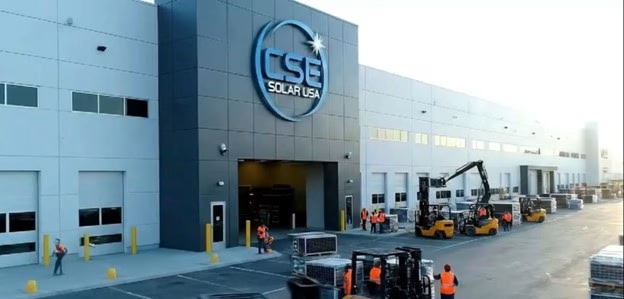
Companies like CSE Solar USA, a solar equipment supplier in the U.S., have supported solar projects totaling over 1MW of installed capacity across residential and commercial applications, helping contractors streamline procurement and reduce delays.
With access to multiple distribution points and strong supplier relationships, they help ensure consistent product availability for contractors.
Plan Procurement Early
Waiting until the last minute to source equipment can lead to unnecessary delays.
Diversify Supply Channels
Working with suppliers that have access to multiple manufacturers and warehouse locations allows for better flexibility and faster sourcing.
Understand Logistics and Shipping
Efficient sourcing goes beyond purchasing products—it includes understanding delivery timelines, warehouse coordination, and freight logistics.
Stay Updated on Market Trends
The solar industry is constantly evolving. Contractors who stay informed can make better purchasing decisions and avoid outdated equipment.
Why Efficient Sourcing Matters More Than Ever
In today’s competitive solar market, efficiency is key. Contractors who optimize procurement gain a significant advantage by reducing delays, improving system reliability, and protecting margins.
Conclusion
As the solar industry continues to expand, contractors must adapt to new sourcing challenges. By working with experienced suppliers and planning ahead, projects can be executed more efficiently and successfully.