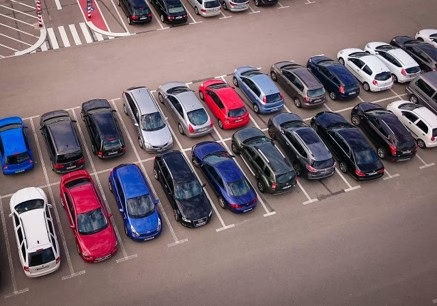
Parking lots made of asphalt are always exposed to weather and climatic elements such as wind, snow, sun and temperature changes throughout the year. Over the years, these weather changes affect the longevity of asphalt and how it looks and performs. Well-installed pavements also respond to the natural weather changes.
This is why being aware of the weather patterns plays a crucial role in planning and surface care in years to come. This post details the impact of weather on asphalt, how traffic accelerates pavement wear and more.
The Impact of Weather on Asphalt
Climate changes take a bigger toll on asphalt pavements than people who own property realize. The rain, sun and temperature changes work against pavements over years. Proper maintenance is required for longevity, otherwise, these natural forces weaken the foundation and wear down the surface.
The binding agents in asphalt are dried out by UV rays from the sun. The surface then gets brittle and cracks start forming. Over months, heat from the sun will soften the asphalt. As a result, impressions will start forming due to heavy traffic.
Water is also an enemy of asphalt parking lots. It usually finds its way into small cracks and drains into the base. This is where water begins to erode the foundation and cause uneven settling. Stagnant water causes wear and tear faster and destroys the top layer. Surface treatment can provide additional protection against exposure to the natural environment.
Property owners and managers searching for a sealcoating company serving Atlanta may consult a professional surface maintenance provider as a pavement preservation strategy. In winter seasons, water that drains into cracks freezes and expands. It also contracts when it thaws. These movements worsen the cracks and potholes start to form.
How Traffic Accelerates Pavement Wear
Every commercial parking lot is meant to handle different loads. The issue isn’t the number of vehicles driving towards the property every day, but also the kind of vehicles that utilize the lot and how they drive on it. Vehicles such as waste haulers, trailers, buses and delivery trucks place more weight on asphalt than passenger vehicles.
Passenger vehicles drive across pavements with little stress. However, heavy trucks transfer much more weight through their tires, especially while driving slowly. When a truck’s wheels stop at loading decks, brakes near an entrance or turn in tight areas, the pavement shifts, stretches or compresses.
This constant loading is a major reason why commercial parking lot wear increases, especially at entrances, loading zones, drive lanes, dumpster pads and near drive-throughs. Heavy vehicles turn sharply, idle, slow down and repeat the movements every day.
The Importance of Preventive Maintenance
A planned preventive maintenance approach offers property managers more and better control over pavement costs. Sealing any visible cracks limits the amount of water that flows deep into the asphalt base. Sealcoating helps to protect the surface from water, the sun and daily exposure. Patching can help with localized failures before they escalate into bigger repair areas.
Endnote
A well-planned maintenance program will allow property managers to address deteriorating issues while repairs are still manageable. When property owners understand how weather and traffic impact asphalt, property professionals and construction contractors can make better decisions about maintenance, inspection and preserving commercial pavements for years to come.