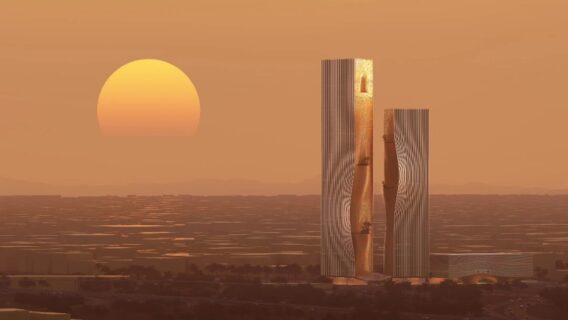
The Riyadh Skyscraper in Saudi Arabia continues to advance as a proposed 2-kilometre mega tall tower reshapes global expectations for vertical construction. The $5 billion development, designed for North Riyadh under the Public Investment Fund, targets a height that would significantly surpass all existing and under-construction skyscrapers. Furthermore, the scheme forms part of a wider master-planned business district near King Khalid International Airport. Meanwhile, global architectural and engineering teams refine early-stage design frameworks as planning activity intensifies in 2026. Consequently, the project remains one of the most ambitious conceptual towers in global construction discourse.
Riyadh Skyscraper Project design evolution and strategic positioning
The Riyadh Skyscraper Project was originally awarded to Foster + Partners following an international design competition backed by Saudi Arabia’s Public Investment Fund. Additionally, the concept envisions a structure rising to approximately 2,000 meters with mixed-use vertical programming. Meanwhile, the tower anchors a new “North Pole” economic district intended to transform northern Riyadh into a global business hub.
Furthermore, the development aligns with Saudi Arabia’s broader urban expansion strategy under Vision 2030. Consequently, planners position the skyscraper as a flagship identity project for economic diversification. However, final design confirmation and execution timelines remain under phased evaluation. In addition, engineering consultants continue feasibility assessments on structural loads and wind performance at extreme altitude.
Riyadh Skyscraper Project 2026 status update and development outlook
As of 2026, the Riyadh Skyscraper project remains in pre-construction and advanced planning stages. Meanwhile, government-linked stakeholders continue evaluating consultancy bids for district-wide infrastructure development. Furthermore, supporting masterplan works progress alongside airport expansion and transport connectivity studies. Consequently, early groundwork focuses on enabling infrastructure rather than vertical construction.
In addition, reports indicate continued interest from major global contractors and engineering firms for advisory roles. Moreover, project authorities have extended planning phases to refine cost, sustainability, and phasing strategies. Therefore, the initiative maintains momentum despite its conceptual status. Meanwhile, industry analysts compare it directly to other Saudi megaprojects, particularly the Jeddah Tower Project, which is already under active construction.
Riyadh Skyscraper Project engineering ambition and global comparison
The Riyadh Skyscraper Project aims to surpass the under-construction Jeddah Tower Project, which is expected to exceed 1,000 meters. Furthermore, the Riyadh concept would more than double that height, placing it in an entirely new engineering category. Meanwhile, designers propose integrated mixed-use zoning across hundreds of floors, including hospitality, residential, and commercial functions.
Additionally, preliminary concepts suggest advanced structural systems to manage wind shear and material stress. Consequently, engineers explore next-generation composite materials and aerodynamic shaping strategies. However, feasibility challenges remain significant due to scale and cost complexity. In addition, early estimates place total development value at approximately $5 billion.
Furthermore, the project reinforces Saudi Arabia’s competitive positioning in global supertall development. Meanwhile, it contributes to a regional trend of record-breaking vertical architecture. Therefore, the Riyadh concept continues to attract global attention despite its early-stage status. Ultimately, it represents a long-term vision rather than an immediate construction milestone.
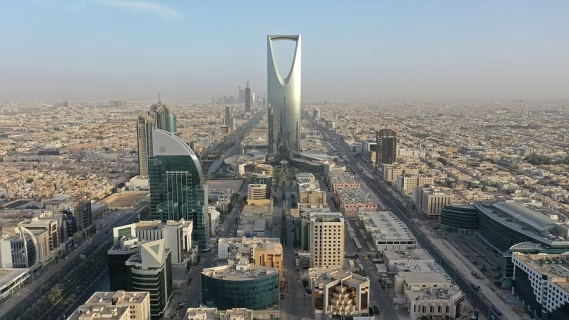
Finnish-based firm Kone has been awarded a project subcontract on the world’s tallest tower in Saudi Arabia, Jeddah tower. The scope of implementation entails the installation of escalators for the tower. Moreover, it includes a two-year maintenance for 67 elevators and escalators including 29 Kone MiniSpace elevators. These elevators have a speed of upto 10m/s. It also entails seven Kone MiniSpace DoubleDeck elevators and two Kone JumpLift construction time elevators. Additionally, the elevator order entails 21 Kone MonoSpace elevators.
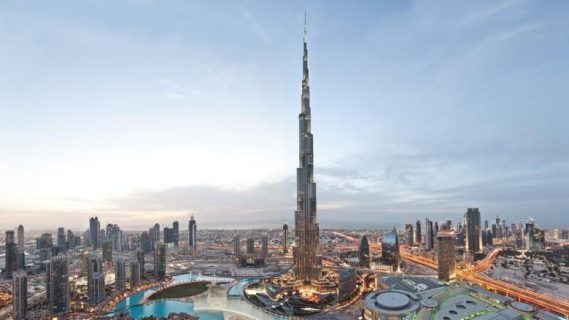
Other companies that were also a part of the design competition for the 2km-High Riyadh Sky-scrapper included:
- Skidmore, Owings and Merrill
- Adrian Smith and Gordon Gill Architecture
- Kohn Pedersen Fox
- Gensler
- 10Design
About Foster and Partners
The UK-based architectural firm Foster and Partners was founded in the year 1967 by Norman Foster. This company has a vast reputation and is considered as the global studio for architecture, urbanism and design; all these being rooted in the aspect of sustainability. The company has set a ground on offering its services at the international level and developed a reputation that is renowned globally. Additionally, Fosters and Partners is overseeing a major expansion project of the King Salman International Airport which is set to become the largest in the world upon completion. The company managed to emerge as a winner of the contest of the 57km square development in late 2022. They are currently working on a total of three airport projects in the Kingdom of Saudi Arabia.

This proposed record-breaking World’s Tallest Building is set to be four times taller than the current tallest scheme of Foster and Partners, the JPMorgan Chase World Headquarters that is located at 270 Park Avenue in New York that has a height of 423 meters. The construction works of this building in New York are almost being completed.
Height of the Building
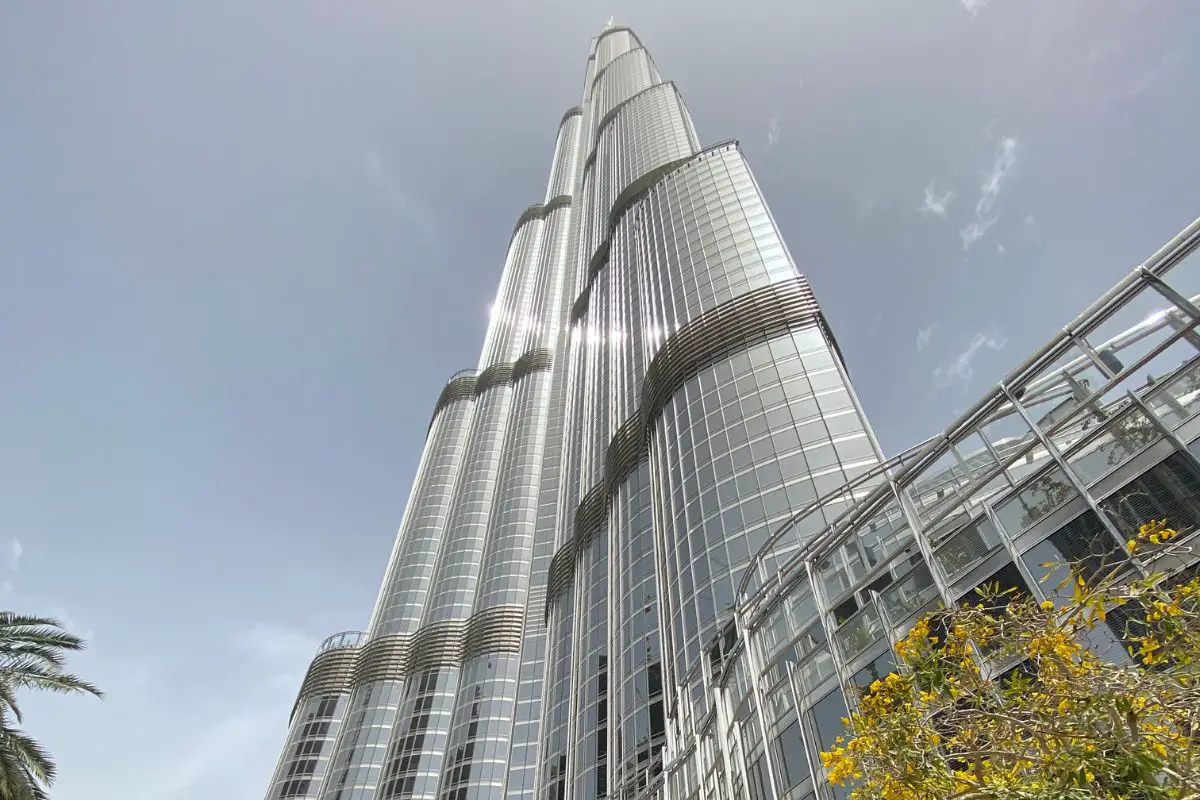
Upon completion, this tower is set to become the tallest in the world boasting a height that is twice of the world’s current tallest tower, the Burj Khalifa, which stands at 828 meters tall. The tallest building in the capital of Saudi is the 10-year-old PIF Tower that is located in King Abdullah Financial District. This building has a height of 385 meters and was designed by HOK and a local-based architecture and engineering company known as Omrania.

Construction Cost of the World’s Tallest Building
According to the contractors of the project, by pricing of the megatall towers in the region and depending on the final design of this upcoming building that they will come up with. The construction of the 2km-High Riyadh Sky-scrapper is expected to stand at approximately $5 billion.
This upcoming mega tower is going to be a part of an 18-square-kilometer (sq km) development located to the north of Riyadh.
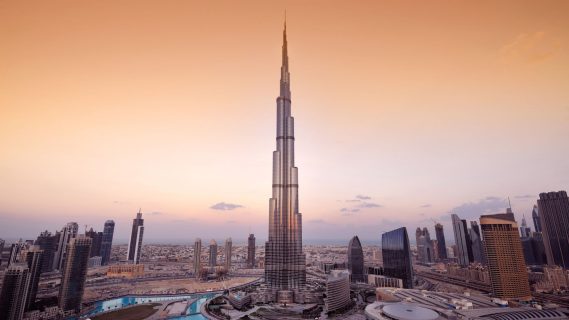
Previously, the Public Insurance Fund had set up ambitious plans of setting up tall buildings in the region. The PIF was even considering the plans of constructing a tower that would have a height of up to 1.2 kilometers at King Abdullah Financial District (KAFD) located on a plot known as KAFD X. The Consultants of the project were preparing the designs of this mega tower project in the year 2019.
Also read: $1 Trillion Giga Project The Line Project Progress Revealed
UK-based Mace Wins The Delivery Partner Role on the World’s Largest Airport Project
Multi Billion Dubai Metro Line Tender Issued
Project Fact Sheet
Project name: Riyadh Skyscraper Project (Rise Tower concept)
Location: North Riyadh, Saudi Arabia (near King Khalid International Airport)
Project type: Proposed mega tall mixed-use skyscraper
Estimated height: 2,000 meters (2 km)
Estimated cost: $5 billion
Developer: Public Investment Fund (PIF), Saudi Arabia
Lead architect: Foster + Partners
Planning status: Concept and pre-construction feasibility stage (2026)
District integration: North Pole / new CBD masterplan
Main functions: Residential, office, hospitality, entertainment, observation
Project Team
Developer: Public Investment Fund (PIF), Saudi Arabia
Lead architect: Foster + Partners
Co-design contributor: HKS Architects (reported design collaboration)
Project framework: North Riyadh mega business district (North Pole development)
Engineering scope: Early-stage structural feasibility and wind load analysis
Infrastructure coordination: Transport, airport adjacency, and utility master planning
Investment model: Government-backed giga-project development strategy