
Uganda has significantly accelerated its nuclear roadmap, transitioning from site selection to a definitive 26-month evaluation phase at the Buyende Nuclear Power Plant site. In a major milestone, the Ugandan government signed a landmark contract with Korea Hydro & Nuclear Power (KHNP) in May 2025 to conduct technical assessments for a facility with an eventual capacity of up to 8,400 MW. This strategic shift toward nuclear energy is designed to provide a massive, climate-resilient baseload of clean electricity, reducing the nation’s over-reliance on hydropower, which has become increasingly vulnerable to fluctuating rainfall patterns.
By integrating 1,000 MW into the grid by 2031, Uganda aims to achieve total energy independence and fuel a large-scale industrialization program without the carbon footprint of fossil fuels. This regional momentum was further solidified during the March 2024–2026 International Conference on Nuclear Energy (ICoNE) in Nairobi, where Uganda’s progress was linked to Kenya’s Siaya Nuclear Power Project. Both nations are now coordinating through the OECD Nuclear Energy Agency (NEA) to harmonize safety regulations and technical standards, effectively creating an East African nuclear corridor that promises to stabilize the regional power pool and drive sustainable economic transformation across the border.
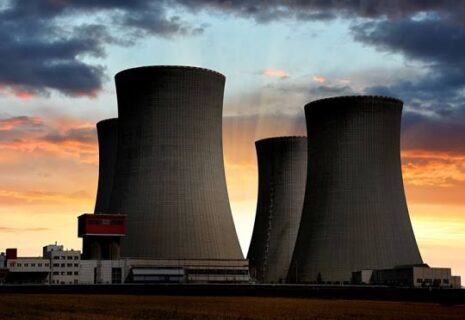
August 11, 2023
Unveiled by Ugandan President Yoweri Museveni, the construction of two Uganda nuclear power stations will be led by Russia and South Korea. The project aims to collectively generate over 15,000MW. This initiative addresses concerns surrounding the country’s sluggish energy demand. In 2014, the Ministry of Energy and Mineral Development conducted surveys revealing substantial uranium deposits spanning about 52,000 square kilometers. These were in regions like Buganda, Tooro, Karagwe-Ankole, and Lake Albert. These deposits stand poised to reliably supply uranium for the planned NPPs.
These Uganda nuclear power stations endeavor assumes global significance amid discussions about energy security and socio-economic advancement. Museveni’s announcement took place during a coffee summit in Kampala, confirming the successful conclusion of negotiations with Russia and South Korea. However, specific details remained undisclosed. Envisioned nuclear power stations units are projected to boast capacities of 7,000MW and 8,400MW. Nevertheless, a construction timeline remains unspecified, and funding acquisition is pending. Museveni refrained from disclosing the responsible nations or entities for constructing these units.
Also read:El Dabaa Nuclear Power Plant (NPP), the first nuclear power plant for Egypt
A noteworthy development occurred when Uganda and Russia jointly declared their intent to build a nuclear power plant during the Russia-Africa forum in St. Petersburg the previous month. Museveni, during this declaration, emphasized Uganda’s potential in phosphates and ammonia production. He extended invitations to Russian entities such as Rosatom, encouraging their participation in these ventures. Notably, Rosatom representatives visited Uganda and forged an agreement with local authorities concerning nuclear power stations development. Regrettably, this project did not advance beyond this stage. President Museveni vocalized his ambition to achieve at least 1,000MW generation from nuclear power by 2031, underscoring Uganda’s resolve to diversify energy sources and hasten its transition to sustainable energy solutions.
Addressing Low Connectivity through 15,000MW Nuclear Power Stations
The low connectivity of electricity in Uganda and the broader region serves as a compelling rationale behind the ambitious proposal for a 15,000MW nuclear power generation initiative. While energy demand is on the rise, the existing power infrastructure struggles to meet the needs of the population and various industries. This deficiency in power supply hampers economic growth, restricts technological advancement, and limits the overall quality of life. The concept of generating 15,000MW through nuclear power stations assumes a crucial role in overcoming these challenges. Nuclear power offers a consistent and dependable energy supply that can operate independently of geographical limitations and transmission constraints

Leave a Reply