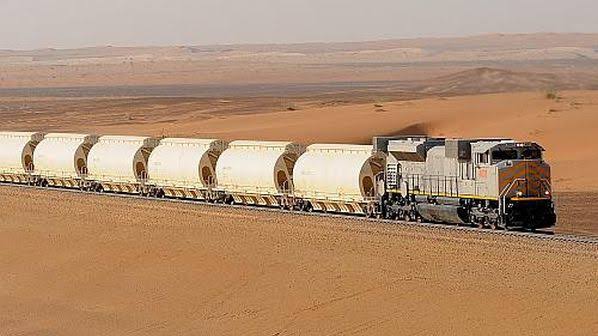
The monumental $15bn GCC Rail Link Project by Saudi Arabia is aggressively advancing despite escalating conflicts across the Middle East. Saudi Arabia is still very much determined to finish this multi-national railway project, which is 2,177 kilometers long. Geopolitical tensions constantly threaten maritime shipping in the Red Sea, but this massive land-based shipping route is very secure. As a result, the developers are speeding up the construction process to make all six member states of the Gulf Cooperation Council physically connected. The kingdom’s focus on economic integration demonstrates that large-scale infrastructure projects can flourish in a region of uncertainty.
In the end, this railway will change the face of heavy freight and commercial passenger transport on the Arabian Peninsula. It also compliments other rail projects such as the GCC Rail link project. The $22bn+ Riyadh metro train project is pushing hard on its massive urban transit network. In particular, French multinational Alstom recently won a very lucrative $515 million contract. This is a significant manufacturing contract that was awarded by the Royal Commission for Riyadh City.
Navigating Geopolitics and Saudi Arabia’s GCC Rail Link Project
The construction of a transnational railway in a volatile region demands a lot of diplomatic and financial skill. Fortunately, member nations are actively focusing on long-term economic stability rather than short-term political hurdles. In recent times, for instance, the disruptions in the supply chain highlighted the urgent need for secure overland trade routes. As a result, the network is strategically designed to avoid critical maritime choke points, allowing for uninterrupted freight transport in times of crisis. Moreover, Saudi Arabia is currently leading the way in heavy construction of its specific domestic segments. These crucial tracks will eventually link directly to the United Arab Emirates and Bahrain. In the end, this united front keeps the overarching vision entirely on track rather than derailed.
The Multinational Transit Corridor is being engineered.
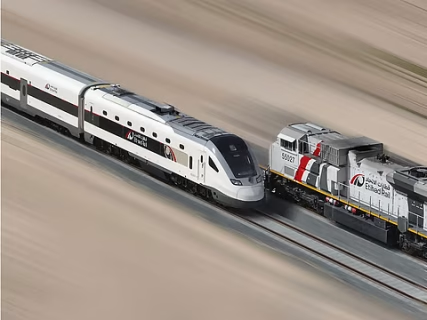
The scale of this collaborative engineering achievement is staggering. In particular, the master plan links Kuwait, Saudi Arabia, Bahrain, Qatar, UAE and Oman together. Passenger trains will fly at speeds of up to 220 km/h, reducing travel times in the region. Meanwhile, heavy freight locomotives will be able to carry millions of tons of cargo each year at 120 km/h. In recent years, joint ventures such as the Oman-Etihad Rail company have laid the groundwork for key cross-border sections. Saudi Arabia’s localized investment of $15 billion is therefore the key central pillar of the entire system. In the end, this megaproject will bring unparalleled logistical efficiency and significant economic diversification from oil.
Project Overview
- Project Value: $15 Billion (Saudi Arabian segment estimate)
- Location: Saudi Arabia and connecting GCC member states
- Developer: Saudi Arabia Railways (SAR) & regional transport ministries
- Status: Advancing; various regional segments currently under construction
Scope
- 2,177-kilometre multinational railway network
- Passenger trains traveling up to 220 km/h
- Heavy freight trains operating at 120 km/h
- Seamlessly interconnecting six distinct Middle Eastern nations
Project Highlights
- Bypasses highly vulnerable maritime shipping chokepoints
- Massively reduces regional commercial cargo transit times
- Fosters deep economic integration across the Gulf
- Continues progressing steadily despite severe regional conflicts
Key Developments
- Saudi Arabia is actively building its domestic connecting segments
- Neighboring UAE and Oman recently broke ground on joint links
- Nations renewed their diplomatic commitments to complete the network
- Developers are finalizing complex cross-border customs regulations
Key Challenges
- Navigating ongoing geopolitical tensions across the Middle East
- Harmonizing diverse railway operating standards between six countries
- Funding massive infrastructure amid fluctuating global oil prices
- Executing highly complex desert engineering and construction
Outlook
- The multinational rail project remains firmly on track
- Overland trade will become significantly more secure
- Passenger travel between Gulf nations will revolutionize entirely
- Regional economic diversification efforts will accelerate dramatically



Leave a Reply