Constructionreview

Blog

  • Lagos Green Line Rail project from Marina to Lekki set to begin before the end of the year

    Lagos Green Line Rail project from Marina to Lekki set to begin before the end of the year

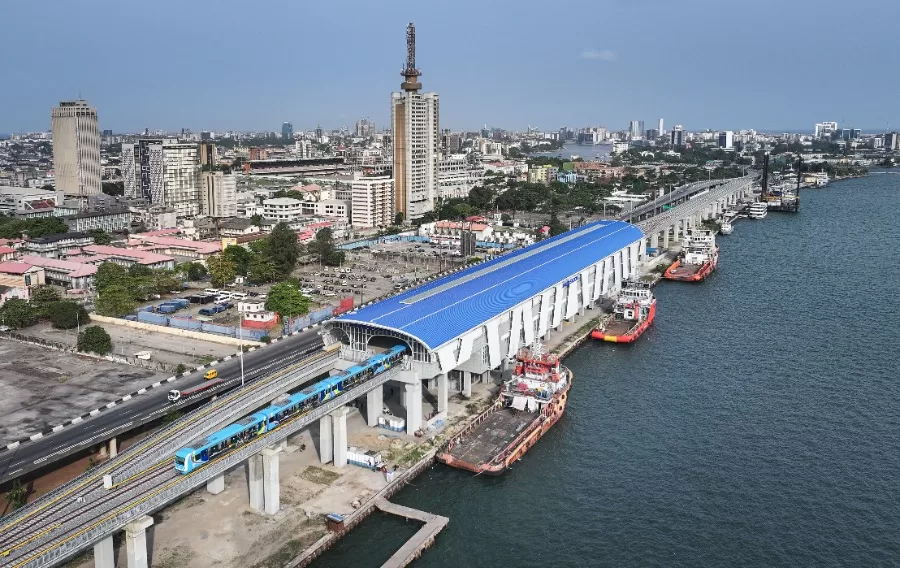
    The Lagos State Government will begin construction of the Green Line Rail project before December 2025. The ambitious 68-kilometre rail line, set to run from Marina to the Lekki Free Trade Zone, is expected to ease traffic, promote development, and enhance connectivity across the city.

    Project factsheet

    • Name: Lagos Rail Mass Transit (LRMT) Green Line

    • Route: Marina to Lekki Free Trade Zone

    • Length: 68 kilometres

    • Stations: 17 (with proposals to expand to 29)

    • Cost: $3 billion

    • Start date: Before December 2025

    • First phase endpoint: Sangotedo

    • Target completion (Full line): Within five years (depending on funding)

    • Speed: Up to 100 km/h

    • Capacity: 35,000 passengers per hour per direction

    Transport Commissioner Oluwaseun Osiyemi confirmed that the state would deliver on its promise to begin work this year. He advised road users to prepare for some traffic disruption during construction and appealed for public cooperation.

    Green Line Rail project seen as game-changer for development and traffic relief in Lagos

    The Green Line Rail project is more than just a traffic solution. According to Oluyinka Olumide, Commissioner for Physical Planning and Urban Development, it is a gateway to creating new development hubs across the state. He described it as a “game-changer” that will encourage transit-oriented development, especially in underdeveloped areas like Ibeju-Lekki, Epe, and Eti-Osa.

    The Green Line will share an interchange at Marina with the existing Blue Line. The route will pass through several busy corridors, including Walter Carrington Avenue, Ozumba Mbadiwe, Ajah, Sangotedo, and Ibeju, before reaching the Lekki Free Trade Zone.

    Lagos residents are eager for relief, especially with daily gridlocks common along the Lekki-Epe Expressway and other key roads. With rising urban population and limited road expansion space, the rail offers a more reliable mass transit option.

    READ ALSO: The Lagos Green Line Project

    Experts raise concerns over Lagos Green Line Rail design, warn of costly capacity missteps

    However, experts have voiced concerns over the design. Independent researcher Tonami Playman and urban planner Hannah Kates argue that station spacing is too wide in crucial areas like Victoria Island and Lekki. They propose adding more stations, which would cost an extra $240–360 million but significantly increase ridership.

    Playman also questioned the use of 8-car trains, suggesting 10-car sets would better serve future demand. He warned that underestimating capacity could mirror costly errors seen in cities like Shanghai.

    Despite the criticisms, the project has been welcomed as a bold step forward. If completed as planned, it could carry over 500,000 people daily and significantly reduce commuting times. In the words of Commissioner Olumide:

    This is not just about rail. It is about shaping the future of Lagos.
  • Kenya Turns to China for $245M Expansion Project on Jomo Kenyatta International Airport (JKIA)

    Kenya Turns to China for $245M Expansion Project on Jomo Kenyatta International Airport (JKIA)

    Prime Cabinet Secretary Musalia Mudavadi held talks with senior International officials from the Beijing Urban Construction Group (BUCG) on the JKIA expansion project. The two met as President William Ruto was in Beijing during his ongoing visit. BUCG President Raymond Luo and General Manager Harold Huang accompanied Mudavadi. Furthermore, he was accompanied by Vice President Wei Zhang. BUCG deals in international airport construction. They have done more than 30 terminals and airports in the past 42 years. Mudavadi revealed that Kenya invited the company to express interest in the new JKIA Expansion project. “Their experience depth is key in what we plan at JKIA,” he stated. He also noted that the focus was on quality and timely completion. “We look forward to competitive bidding as we embark on this critical phase,” he stated. This follows after the Adani deal collapsed in the wake of a $250 million graft scandal. Kenya is now shifting its focus to its trusted international partners to handle the project.

    Also read:

    Adani Airport Holdings Proposes Modernization of Kenya’s JKIA Amid Controversy and Optimism

    Scope of Implementation on the JKIA Expansion Project

    JKIA Expansion Project
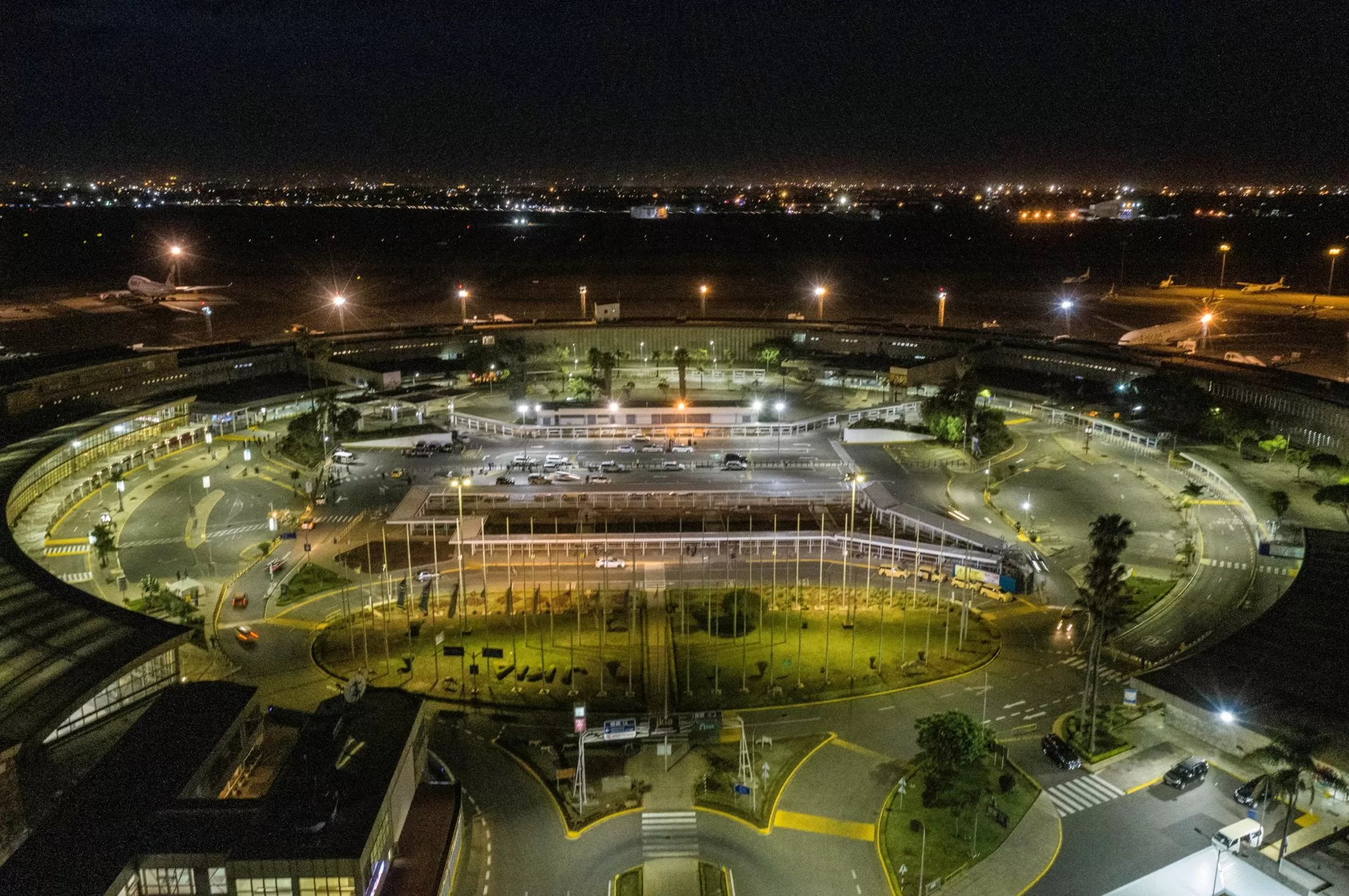
    The JKIA expansion project aims to transform Kenya’s busiest airport as it seeks to increase its capacity for passengers and cargo

    The JKIA expansion project aims to transform Kenya’s busiest airport as it seeks to increase its capacity for passengers and cargo. The project will include the construction of new terminals, extended runways, and better support infrastructure. The project will also improve security and customs facilities, officials stated. The expansion will also incorporate sustainable design features to ensure it meets international aviation standards. The Jomo Kenyatta International Airport expansion project is also a component of a broader initiative to improve Kenya’s status as a transport hub in East Africa. Once complete, it will decongest and improve efficiency. “This project will generate new investment and tourism opportunities,” Mudavadi said. Moreover, it is also a component of Kenya’s long-term infrastructure development vision. Therefore, it is regarded as a high-priority national project. BUCG’s interest in the project indicates faith in Kenya’s strategic direction. With bidding soon to take place, Kenya anticipates winning a trusted partner to deliver its projects.

    Also read:

    $2 Billion Massive New Nairobi Airport to be Constructed in Kenya as Pressure Mounts on JKIA

    Proposed Adani’s JKIA Terminal Designs

  • Sunnyvale to Welcome New El Camino Health Rehabilitation Hospital by 2027

    Sunnyvale to Welcome New El Camino Health Rehabilitation Hospital by 2027

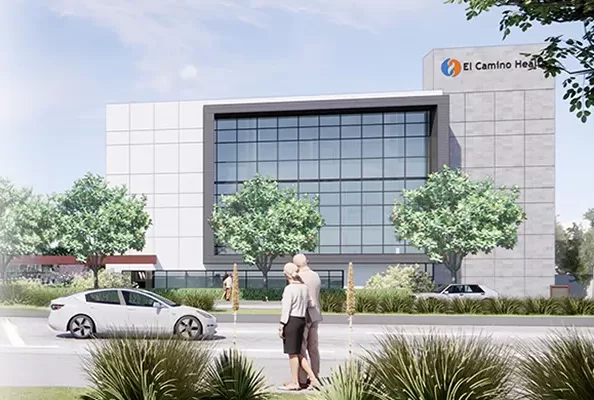
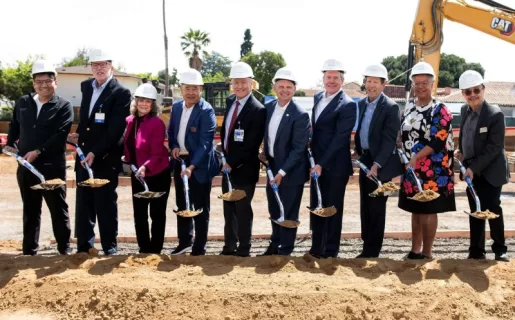
    On Tuesday, April 22, 2025, El Camino Health marked a milestone with the groundbreaking of its newest facility: the El Camino Health Rehabilitation Hospital in Sunnyvale, California. This advanced inpatient rehabilitation hospital is designed with patient care and safety at core, with a focus on creating a healing atmosphere for patients recovering from traumatic injuries and medical illnesses.

    The hospital will feature the latest in medical technology and research to allow for faster, more effective recoveries. It also supports El Camino Health’s overall goal to expand access to high-quality healthcare throughout the Bay Area.

    “This initiative is more than building a new hospital—it’s a necessary move to deliver extensive rehabilitation services to our community,” stated El Camino Health CEO Dan Woods. “We not only want to treat our patients but help them regain their independence when they are discharged from our care.”

    Read also: Nemours Children’s Health Announces $300M Expansion for Lake Nona Hospital, FL.

    What to Expect from the New Hospital

    Construction begins this month, and the hospital will welcome patients in spring 2027. It will be a four-story, 52-bed hospital with each private room including a full bath, as well as some specialty-care reserved beds. It will deliver acute inpatient care for adults recovering from strokes, brain and spinal cord injury, and other complicated ailments. Core services will comprise physical and occupational therapy, speech pathology, and specialized programs for neurological, orthopedic, and amputation rehabilitation.

    One of the standout features of the new El Camino Health Rehab Hospital in Sunnyvale will be its secured brain injury unit, featuring a private dining area and a dedicated therapy gym. Patients will also benefit from expansive therapy spaces, including large interdisciplinary gyms and a treatment courtyard with garden walkways, golf features, and mobility training surfaces. To facilitate the journey home, the hospital will feature a fully furnished apartment where patients can practice in a real-life setting the activities of daily living in a safe environment.

    Aside from rehabilitation care, the center will also offer core support services such as laboratory and radiology services, biomedical engineering, employee health, and managed care support.

    Read also: Children’s Mercy Hospital Kansas Unveils $152M Expansion Plan

    El Camino Health Breaks Ground on New Rehab Hospital in Sunnyvale
    El Camino Health Breaks Ground on New Rehabilitation Hospital in Sunnyvale

    New El Camino Health Rehab Hospital in Sunnyvale Factsheet

    Location: Sunnyvale, California

    Groundbreaking: April 23, 2025

    Expected Opening: Spring 2027

    Facility Highlights:

    4-story inpatient rehabilitation center with 52 private rooms

    Secured brain injury unit with private dining area and therapy gym

    Expansive therapy spaces including interdisciplinary gyms

    Therapeutic courtyard with mobility training features

    Training apartment for transition-to-home practice

    New El Camino Health Rehab Hospital in Sunnyvale: Care Focus

    Acute inpatient rehabilitation for adults recovering from strokes, brain/spinal cord injuries, and complex conditions

    Physical and occupational therapy, speech pathology

    Specialized neurological, orthopedic, and amputation rehabilitation programs

    Additional Services:

    Laboratory and radiology

    Biomedical engineering

    Employee health and managed care support

    Read also: Turner Tops Out Massachusetts General Hospital, Building Healthcare for a Changing Climate

  • Trianel Sundern Wind Power Project Breaks Ground in Western Germany

    Trianel Sundern Wind Power Project Breaks Ground in Western Germany

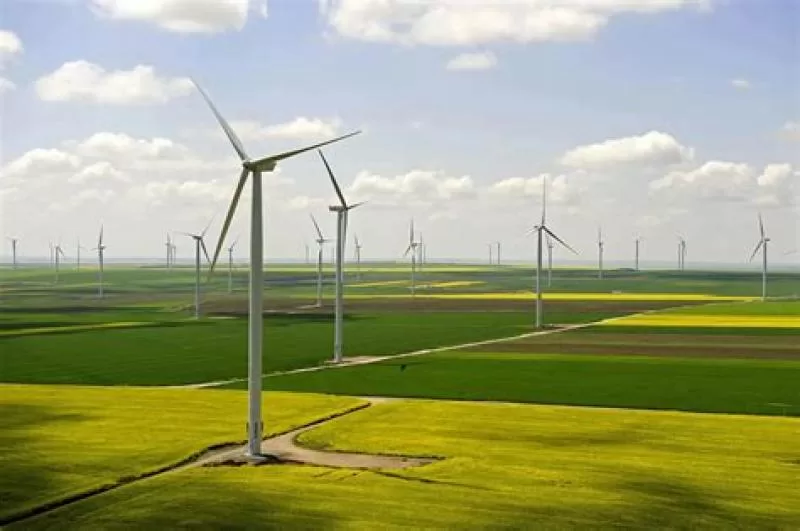
    Trianel Wind und Solar GmbH & Co KG, a subsidiary of the municipal utility alliance Trianel, has launched construction on a new 67 MW onshore wind power project near Sundern in western Germany.

    The wind farm will be equipped with 12 Enercon E160 EP5 E3 turbines, each with a capacity of 5.56 MW. Upon completion—expected by the end of 2026—the facility will generate around 200 million kilowatt-hours of electricity annually. This output is enough to power approximately 55,000 households and will help reduce carbon dioxide emissions by an estimated 90,000 tonnes per year.

    As part of the Trianel Sundern wind power project community involvement, three of the turbines will be offered for ownership to Sundern ENERGIE GmbH, a local energy provider partially owned by the town of Sundern.

    Also Read: Progress at Germany’s Waterkant Wind Project with one of World’s Most Powerful Offshore Turbines

    A Broader Push Toward Renewable Energy

    Trianel is no newcomer to wind energy. The company has developed several major projects, including:

    • Trianel Windpark Borkum I: An offshore wind farm located 45 km off the coast of Borkum Island, comprising 40 turbines with a total capacity of 200 MW.
    • Trianel Windpark Borkum II: An expansion of the first phase, featuring 32 turbines and adding approximately 203 MW of capacity. It was fully commissioned in 2020.
    • Onshore wind developments: In partnership with ABO Wind and others, Trianel has delivered over 182 MW of onshore wind capacity through multiple projects across Germany.

    Project Fact Sheet: Trianel Sundern wind power project

    Project Name:
    Trianel Wind Farm – Sundern

    Location:
    Near Sundern, North Rhine-Westphalia, Germany

    Developer:
    Trianel Wind und Solar GmbH & Co KG

    Turbine Model:
    Enercon E160 EP5 E3

    Number of Turbines:
    12

    Turbine Capacity:
    5.56 MW each

    Total Installed Capacity:
    67 MW

    Estimated Annual Power Output:
    Approximately 200 million kWh

    Households Powered:
    Roughly 55,000

    CO₂ Emissions Avoided:
    Around 90,000 tonnes per year

    Scheduled Completion:
    End of 2026

  • the 380 MW Aldoga Solar Farm near Gladstone, Queensland Australia

    the 380 MW Aldoga Solar Farm near Gladstone, Queensland Australia

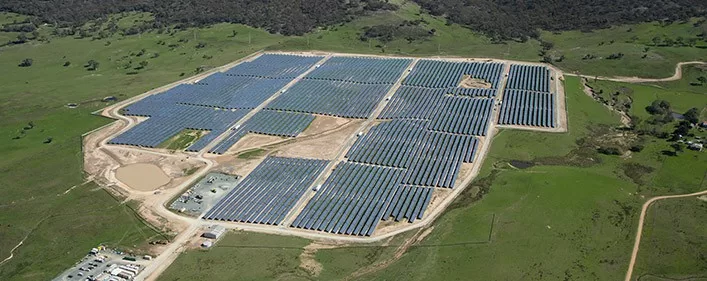
    The Aldoga Solar Farm is a 380 MW solar project located near Gladstone, Queensland, developed by Spanish renewable energy company Acciona Energía. Completed seven months ahead of schedule in April 2025, the US$320 million project was initiated in early 2024 and has already begun exporting its first 850 kW of clean power into Australia’s National Electricity Market (NEM) as part of its commissioning phase, which will run until the end of 2025.

    The project will be dwalfed by the Bulli Creek Clean Energy Park also in Queensland that is a large-scale renewable energy development that has a planned 2 GW total capacity.

    Acciona Energía’s Managing Director, Brett Wickham, credited the achievement to the dedication of the 350 workers involved, noting that the project will play a key role in delivering affordable and sustainable energy to the grid.

    Also Read Australian Firm Glaass Wins Subcontract in $5 Billion Trojena Dams Project

    The Aldoga Solar Farm comprises approximately 820,000 solar modules and stands out for its commitment to local industry. Acciona partnered with global solar equipment provider Nextracker and Australian manufacturer Orrcon Steel to incorporae locally produced steel components. This marked a significant step toward establishing a domestic supply chain for solar farms. This collaboration not only supports the Australian manufacturing sector but also enhances the project’s sustainability credentials.​

    Project Overview

    Location: Gladstone, Queensland, Australia

    Project capacity: 380 MW

    Solar modules: 820,000

    Developers: Acciona Energía

    Who will purchase the energy?

    Under a 15-year power purchase agreement, 100% of the electricity generated by the Aldoga Solar Farm will be supplied to Queensland government-owned energy company Stanwell Corporation . Stanwell CEO Michael O’Rourke highlighted this milestone as a significant advancement in the utility’s efforts to expand its renewable energy portfolio. The energy produced will be sold into the spot market or retailed to commercial and industrial customers. This will ensure a reliable and sustainable energy supply for the futur.

    Also Read China, Saudi, Oman Partner for 2 GW Sadawi Solar Project and Wind Project

    The successful completion of the Aldoga Solar Farm aligns with Stanwell’s broader strategy to achieve 9 to 10 GW of renewable energy generation and 5 GW of firming capacity by 2035 . This project contributes to Queensland’s renewableenergy targets. Additionally, it demonstrates the potential of international and local partnerships in accelerating the transition to clean energy. Acciona’s commitment to integrating local resources and expertise sets a precedent for future renewable projects in the region.

    Also Read Umoja subsea cable: The First Subsea Cable to Directly Connect Africa with Australia

  • Metlen and Glenfarne to link a 588 MW Solar and 1610 MWh BESS Project in Chile

    Metlen and Glenfarne to link a 588 MW Solar and 1610 MWh BESS Project in Chile

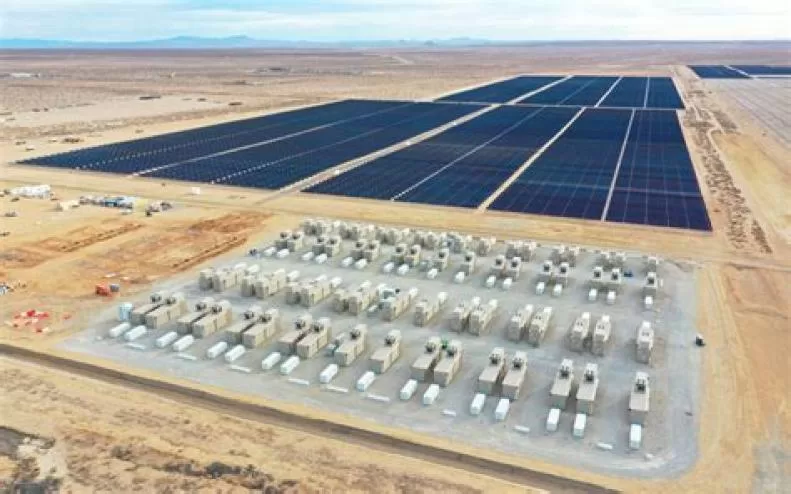
    Metlen and Glenfarne are developing a 588 MW solar and a 1610 MWh battery energy storage system (BESS) project portfolio acquisition in Chile. Metlen’s 588 MW solar projects are up and running, while the 1610 MWh BESS are still under construction. According to Metlen, the BESS projects in Chile will be commissioned by 2026. Closure of USD 815 million transaction will also take place once the BESS are operational.

    In November 2025 ACCIONA Energía announced it will be constructing a 1GWh Battery Energy Storage System (BESS) at its Malgarida photovoltaic complex (238MWp) in Chile’s Atacama Desert. This follows a trend of bundling BESS projects with solar projects not only in Chile but globally.

    Metlen solar and BESS project portfolio in Chile

    Greece-based energy and metals company, Metlen, has key solar and BESS projects in Chile. These are strategically situated in Chile’s Sistema Electrico Nacional (SEN), and benefit from geographical diversification and multiple interconnection nodes. This, according to the assets manager, allow for “portfolio optimization”.

    The portfolio includes several solar projects spread across three regions in Chile. These include the 227 MW Tocopilla solar project in Antofagasta region that was completed early this year. The 167 MW solar project in Tamarico that started commercial operations early this year, and the 109 MW Willka solar project in Coquimbo that was launched in December 2023. Also situated in the region is the 86 MW Dona Antonia solar project that has been operational since August 2024.

    According to Metlen, each of these solar projects in Chile will have BESS by next year. To add sustainability values to the renewable energy projects, they will serve more than 800,000 homes, and cut down CO2 emissions by over 240,000 tons annually.

    Also read: 228 MW of Power: Colbún SA Breaks Ground on Celda Solar Battery Storage Project in Chile

    A look at the strategic SEN and Portfolio Optimization

    The solar and BESS projects are located in the Sistema Electrico Nacional (SEN) belt. SEN is Chile’s main national electricity grid and covers the energy needs of up to 97% of the country’s population. Handling over 34 GW of installed energy capacity, the SEN stretches for around 3,100 kilometers and is also one of the largest interconnected systems in the world.

    To put Metlen’s “portfolio optimization”description of its its solar and BESS projects portfolio into context, we will have to look at their geographical locations and operational value.

    Geographical diversification

    Metlen’s solar and BESS projects are located in diversified locations across Chile’s SEN. This includes locations like Antofagasta, Atacama, and Coquimbo. This is strategic to reduce the risks of effects from localized weather patterns and events. This is will allow for more consistent solar energy production in the long run.

    Multiple interconnection nodes

    Grid congestion reduction can also be reduced by what Metlen calls “multiple interconnection nodes” for the solar and BESS projects in Chile that New York-based energy and infrastructure assets manager Glenfarne is to acquire.

    The multiple nodes connecting to substations and transmission nodes reduce overload at any one point along the grid. They also put the transmission system in balance, when, in principle, they dynamically respond to the grid’s demands.

    Additionally, while responding to grid demands, they also bring in the financial aspect that warrants their acquisition. Their dynamic response allows for the arbitrage of the energy demand opportunities and as a consequence, allows for the maximization of sales and profits.

    Also read: Vesper Energy Launches 600 MW Hornet Solar Project in Texas

    The 1610 MWh Bess projects

    Glenfarne is also acquiring Metlen’s 1610 MWh BESS projects in Chile. Firstly, their massive capacity allow for optimization. Like all battery storage systems, this one will store excess solar energy especially during low-demand periods. The BESS also discharge during periods of increased energy demand e.g., evenings. Alongside this will be the less spoken of functions like, energy frequency regulation and voltage support.

    As part of fulfilling its global Asset Rotation Program for renewable energy projects, Metlen continues to help push for sustainability efforts that are already geared up across the globe. Commenting on the acquisition, founder and CEO of Glenfarne, Brendan Duval, also said the transaction aligns with their mission of supporting Chile’s energy transition.

    Also read: China, Saudi, Oman Partner for 2 GW Sadawi Solar Project and Wind Project