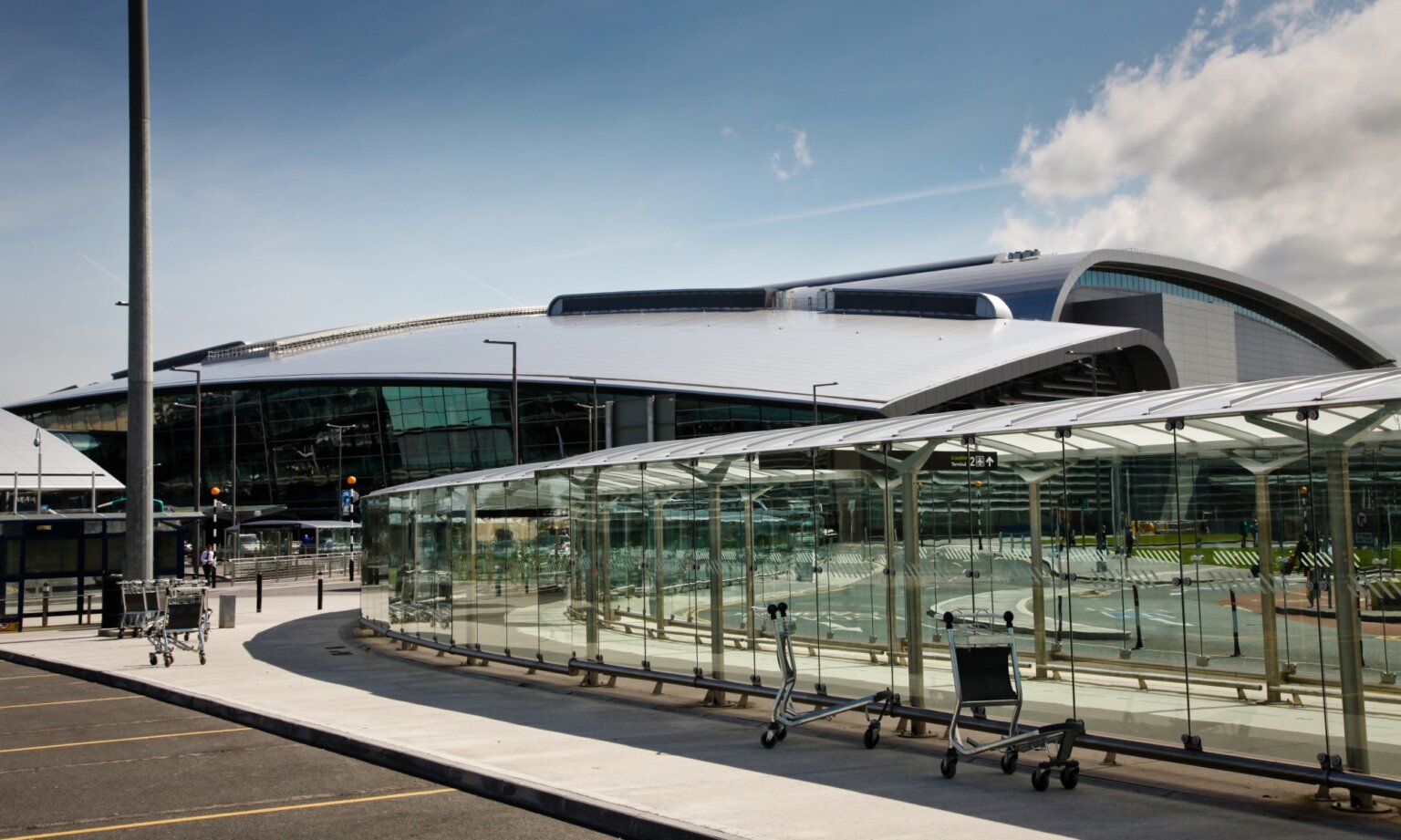
Dublin & Cork Airports continue to progress through a major infrastructure investment program as Ireland expands airport capacity to meet growing passenger demand. Since the original redevelopment plans were announced, the projects have moved into active delivery, with construction advancing at Cork Airport and planning work continuing across Dublin Airport’s long-term capital program. Together, the developments are expected to improve operational efficiency, passenger experience, and future capacity while supporting Ireland’s aviation sector.
The projects form part of daa’s long-term capital investment strategy for Ireland’s two busiest airports. While Cork Airport has entered a significant construction phase, Dublin Airport continues to develop infrastructure under its Capital Investment Program alongside efforts to remove the existing passenger cap and accommodate future growth.
Construction work is progressing at Cork Airport under its €200 million (approximately $235 million) Capital Development Plan. The program includes a new mezzanine floor, an expanded passenger security screening area equipped with next-generation C3 technology, upgraded baggage screening facilities, and improved staff screening areas. The main works remain on schedule for completion in late 2026.
Dublin & Cork Airports expansion enters delivery phase
Cork Airport recorded its busiest year in 2025 after handling 3.46 million passengers. Consequently, the airport accelerated investment to support continued traffic growth. The expansion program will provide larger passenger processing areas, faster security screening, and improved operational resilience.
Meanwhile, Dublin Airport continues implementing infrastructure improvements under its rolling Capital Investment Program. The airport’s masterplan guides future projects, including additional passenger facilities, aircraft parking stands, apron upgrades, and other supporting infrastructure required for long-term expansion.
The Irish government also continues to support sustainable development at both airports. According to daa’s 2025 Annual Report, government backing remains in place for continued infrastructure investment and the proposed removal of Dublin Airport’s 32-million-passenger cap.
Dublin & Cork Airports support Ireland’s aviation growth
The investment program reflects increasing demand for air travel across Ireland. New airline routes and higher passenger numbers continue to strengthen the business case for expanding airport infrastructure, particularly at Cork Airport, where international services continue to grow.
At Dublin Airport, planners continue developing infrastructure capable of accommodating future passenger growth while balancing environmental obligations and regulatory requirements. The airport’s long-term strategy also includes improving aircraft movement efficiency and passenger facilities through phased investment.
The projects also align with wider airport expansion programs across Europe as operators invest in modern infrastructure to meet rising passenger demand. Similar investment is advancing through the Gatwick second runway construction project, which recently cleared its final legal hurdle and is preparing for delivery.
Dublin and Cork airport’s project scope
This will include improvements to retail spaces, airline lounges, and check-in zones, as well as cargo facilities throughout the Dublin Airport property, both landside and airside. Atkins offers the following services: Strategic Infrastructure Planning; Airport Planning and Capacity Modelling; Multi-Discipline Design; Technology / ICT / Aviation Security; and Information Management. Atkins’ appointment to the five-year framework (extendable by four years) builds on a 15-year engagement with DAA, during which it has effectively developed projects at both airport campuses.
Also Read: Ballymore to develop UNEX-Thames Road Industrial Estate in London.
“This is a really important appointment for Atkins, and we very much expect to establish a truly collaborative relationship with DAA,” said Brian McKavanagh, Framework Director at Atkins. “Our goal is to collaborate with DAA to bring sustainability and net-zero carbon emissions to the forefront while using Atkins’ global aviation expertise.” The new framework award follows the recent, highly successful partnership between DAA, Colas, and Atkins on Cork Airport’s main runway rehabilitation, which was completed on schedule, within budget, and to great acclaim during An Taoiseach’s ceremonial opening.
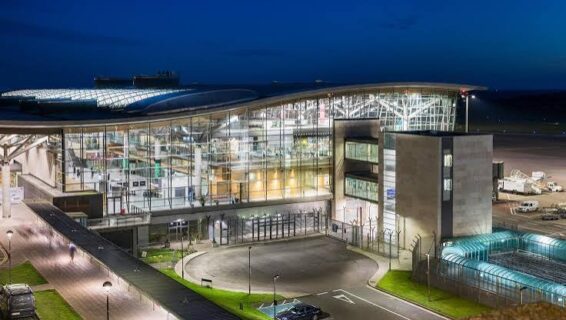
Project fact sheet
Project: Dublin & Cork Airports Expansion Projects
Location: Dublin Airport and Cork Airport, Ireland
Owner: daa plc
Estimated investment:
- Cork Airport Capital Development Plan: €200 million (approximately US$235 million)
- Dublin Airport: Multi-phase Capital Investment Program
Project type: Airport infrastructure expansion and redevelopment
Current status (2026):
- Cork Airport construction underway
- Dublin Airport capital program progressing through phased development
Major works at Cork Airport:
- New mezzanine floor
- Expanded passenger security screening area
- Installation of C3 security screening technology
- Upgraded oversized baggage screening facility
- Improved staff and goods screening facilities
Major works at Dublin Airport:
- Passenger facility upgrades
- Aircraft stand expansion
- Apron improvements
- Supporting airside infrastructure
- Long-term masterplan implementation
Expected benefits:
- Increased passenger capacity
- Faster security processing
- Improved operational efficiency
- Enhanced passenger experience
- Support for future airline growth
Project team
Project owner: daa plc
Airport operators: Dublin Airport and Cork Airport
Client: Government of Ireland (shareholder)
Capital program lead: daa Infrastructure and Capital Projects Division
Main contractor (Cork Airport): PJ Hegarty
Planning and regulatory authorities: Irish Aviation Authority and relevant Irish planning authorities
Airport master planning: daa Capital Investment Programme team
Key stakeholders: Airlines operating at Dublin and Cork airports, Irish Government, local authorities, airport users, and aviation regulators.



Leave a Reply