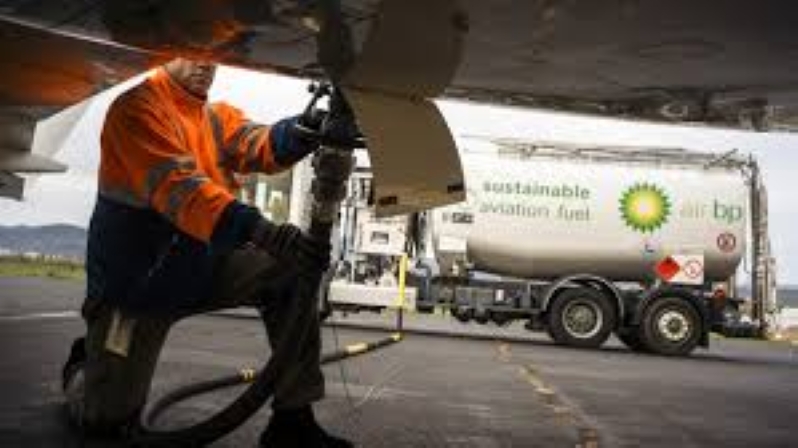
Australia’s flagship sustainable aviation fuel development, Project Ulysses, continues to progress through Front-End Engineering and Design (FEED) and commercial structuring as developer Jet Zero Australia targets a Final Investment Decision (FID) in 2026 for what is positioned to become the country’s first commercial-scale alcohol-to-jet SAF facility.
Located in the Townsville State Development Area in Queensland, the project is designed to convert domestically sourced bioethanol into sustainable aviation fuel and renewable diesel, supporting Australia’s aviation decarbonization agenda while improving liquid fuel security and regional industrial capacity.
As of 2026, FEED optimization is underway following environmental approval from the Queensland government and open supply-chain expressions of interest ahead of procurement activities.
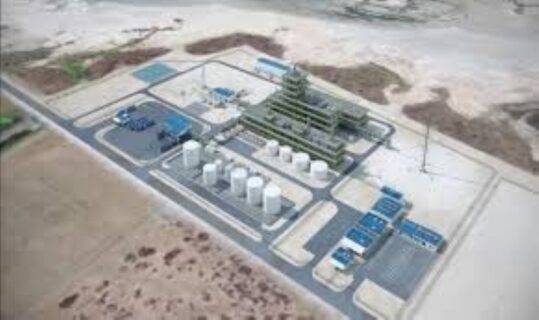
Fact Sheet for Project Ulysses
Location: Townsville, Queensland
Project Type: Alcohol-to-Jet (ATJ) SAF plant
Status: FEED/pre-FID development
Target FID: 2026
Expected Operations: 2028
Annual Output Capacity:
- 102-113 million liters SAF
- 11 million liters renewable diesel
Estimated Construction Jobs: 1,000
Operational Jobs: Over 100 direct and indirect
Timeline
2021
- Jet Zero begins development of Project Ulysses.
2023-2024
- Feasibility studies completed.
- Site and commercial agreements negotiated.
- Investors secured.
September 2024
- ARENA funding support formalized for FEED study.
May 2025
- Technip Energies awarded FEED contract for the project.
- Integrated technology package confirmed with LanzaJet.
December 2025
- Queensland environmental approval granted.
April-May 2026
- Supply-chain EOI packages opened for contractors and suppliers.
- Project remains on track toward 2026 FID.
2028
- Planned commissioning and start of commercial SAF production.
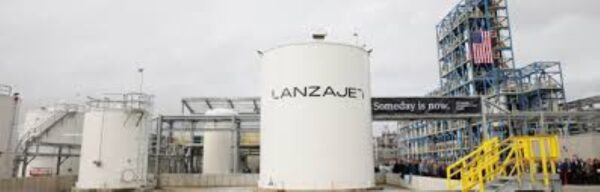
Project Team
Developer: Jet Zero Australia Pty Ltd
Project Vehicle: Ulysses Bioenergy Pty Ltd
EPC Contractors
- Technip Energies – FEED contractor)
- Long Energy and Resources – construction partner
Technology Providers
- LanzaJet – ATJ technology
- Technip Energies – Hummingbird process technology
Financial Partners
- Qantas
- Airbus
- Idemitsu
- Australian Renewable Energy Agency (ARENA)
- Queensland Government
- Enterprise Singapore
If delivered on schedule, Ulysses is expected to contribute about one-sixth of Australia’s 2030 airline SAF commitment. This is while supporting Townsville’s development as a renewable fuels and industrial decarbonization hub. This is as other legacy gas projects continue to take shape across the country, including the Annie Gas Field Project in Victoria set to address looming domestic gas shortages.
SAF Industry Australia Major Sustainable Aviation Fuel Project
Project Ulysses: A Game-Changer for SAF Industry Australia
Jet Zero Australia is an originator in the SAF industry Australia sector. The flagship project of the organization is Project Ulysses which is the most extensive SAF project in Australia to date. Taking advantage of the cutting edge ATJ technology, the plant will produce 102 million liters of SAF annually and 11 million liters of diesel from renewable sources. This projected output will be a considerable development towards solving the current globe SAF shortage. Additionally, creating a sustainable local supply chain in Australia’s aviation industry.
The centerpiece of the project is the establishment of an advanced production facility. It will happen in the Townsville State Development Area (SDA) in North Queensland. This strategic location provide access to the critical infrastructure and resources. Furthermore, it serves as the center for SAF distribution in Australia. Consequently, with a chance to expand to the nearby Asia-Pacific region.
This innovative project will bring about a transformation in the nature of aviation in Australia by providing a sustainable and scalable supply of SAF, a fuel that is seven times more energy-rich than the best batteries and four times more energy-rich than liquid hydrogen. Through the utilization of SAF, Project Ulysses could greatly minimize the carbon footprint in air travel with enough energy needed to fly long-haul flights.
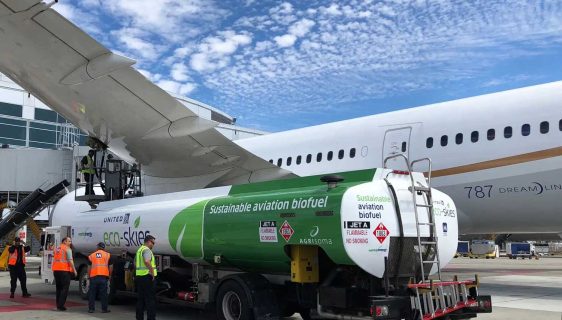
Key Players Driving the Growth of Sustainable Aviation Fuel
The airline industry professionals played very important part in the implementation of Project Ulysses. The Qantas, well known for its role in Australian aviation. Airbus, a huge aviation company behind manufacturing top-notch aircraft throughout the world. By engaging in Jet Zero Australia just be the Airbus, it further emphasizes the considerable yet. The vital role SAF performances in the elimination of carbon footprint in the aviation industries.
The inclusion of Idemitsu, a Japanese energy major, as the most prominent corporate backer of Project Ulysses is remarkable, since it is the first SAF project that the company has undertaken outside of Japan. This joint venture exposes the worldwide nature of the SAF industry Australia and its players as they alongside world governments in general strive to meet bullish emission reduction targets and foster a perpetual SAF supply.
Challenges and Opportunities in Australia’s SAF Industry
The superior energy content of SAF industry Australia and its clean emissions make it an outstanding alternative to traditional aviation fuel. This is since the very lack of infrastructure and high costs linked to its availability operate as an obstacle. The fuel for SAF is the most precious commodity in the world today. It is contributing to the higher prices. Thus, creating a barrier for it to be adopted by the aviation sector in a mass scale.
Moreover, within the context of the project “Ulysses” is an approach to implementation of the invention ATJ (Alcohol-to-Jet) is developed to overcome this challenge. This technology uses the waste from bioethanol that comes out from agriculture byproducts. Therefore, making the biofuel that comes from the first phase into sustainable aviation fuel and renewable diesel. The establishment, which is sitting in the SDA zone of the Townsville city of North Queensland, is destined to bring this country into the league of countries that are pioneering SAF fostering.
Timelines and Projections
Ulysses Project is happy to note that it has recently managed to secure AUD $29 million ($19 million) in funding. This has obviously made the development process of the project possible. The funding builds on the strengths of a well-executed feasibility study that was kicked off in 2022. Hence, a way to show the project’s sustainability and expected positive impact.
Qantas, one of the main participants of the co-work project, has promised to use the actual product in order to run more flights that use the alternative fuel owing the newly built facility. The airline has put in place an ambitious goal of 10% ultimately SAF blend in it overall fuel mix by the end of the decade, collective goals of the planet and showing the sign of its concern regarding emission.
A More Sustainable Future for Aviation
The globe is struggling to deal with the problem of climate change and its wide-ranging implications. The implementation of sustainable decisions plays a major role in all sectors. While the Australian SAF industry is just beginning to be seen, it is the light of hope and innovation. It plays a crucial role in the decarbonization of the aviation sector and the minimization of its environmental effect.
Project Ulysses, through the umbrella of Jet Zero Australia, represents Australian dedication to environmental sustainability. Moreover, it positions it among world leaders in aviation green practices. The project, supported by giants such as Qantas, Airbus, and Idemitsu, will represent a great leap forward. Toward a more sustainable future for aviation, certainly in Australia but throughout the world.
In addition to that, the achievement of the goal of Project Ulysses is able to trigger more investment and technology innovation in the SAF industry, which will finally spread to the whole ecosystem of aviation. With demand for eco-friendly travel solutions only increasing, the SAF industry in Australia holds great promise for the country to become a benchmark for other nations seeking to lower carbon emissions and jointly tackle the climate crisis.
Also Read: Zambia government invest US$1bn for the development of aviation infrastructure
Also Read: How can collective bargaining play a dynamic role in helping South Africa’s building industry
Read Also: Future Trends and Innovations in the Construction Industry: Paving the Way to a Bold Tomorrow