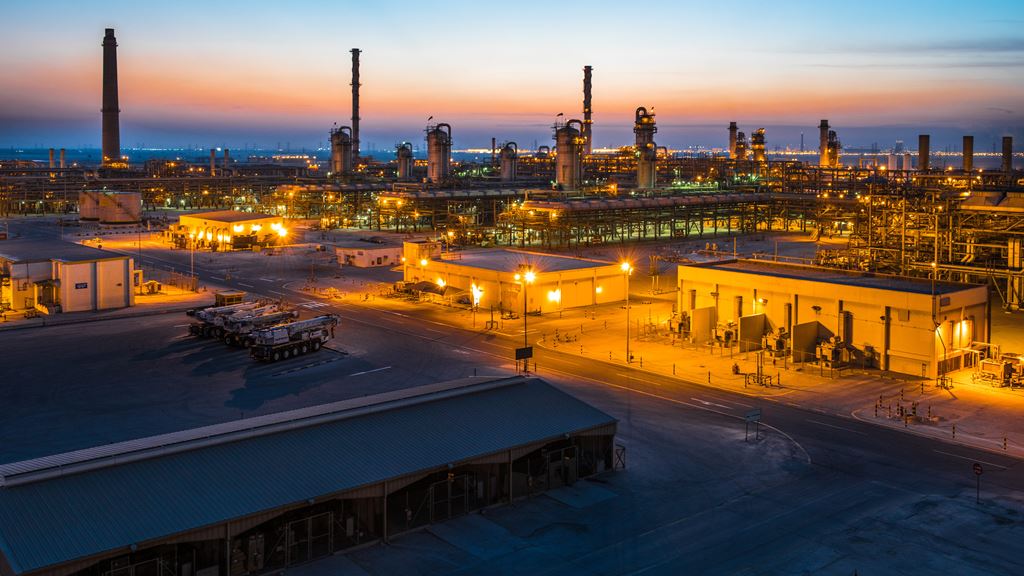
Saudi gas compression project has advanced into execution with a major EPC award for a new compression plant at Uthmaniyah. Saudi Arabia’s gas infrastructure expansion now includes a 42-month construction program led by Saipem Nasser Saeed Al-Hajri Contracting Company. The project will serve the Uthmaniyah non-associated gas field in eastern Saudi Arabia. Moreover, the development will extend the field’s production life while supporting rising domestic energy demand.
The latest award provides a clearer project definition than earlier reporting. Saipem confirmed that its share of the contract stands at approximately €900 million.
The award also represents the first EPC project under Saudi Arabia’s National EPC Champion Program. That program seeks to develop a national EPC champion capable of delivering complete onshore projects. It also aims to increase the use of local resources and expertise.
Saudi Gas Compression Project enters a new execution phase
The Saudi gas compression project will provide a new compression plant for the Uthmaniyah non-associated gas field. The EPC scope covers engineering, procurement and construction activities.
The project addresses an important technical requirement within mature gas-field operations. Gas compression helps maintain pressure and supports continued production as field conditions change.
Uthmaniyah already hosts one of Saudi Aramco’s major gas processing facilities. Aramco identifies Uthmaniyah among its gas processing plants serving the Kingdom’s wider gas network.
The existing Uthmaniyah Gas Plant also has a significant technology track record. Aramco says digital tools at the facility have reduced inspection times by 90%.
Consequently, the new compression project will connect with an established gas-processing location. It will also support Saudi Arabia’s broader effort to increase natural gas production and processing capacity.
Aramco aims to increase sales-gas production capacity by approximately 80% by 2030. The company has linked that target to growing domestic demand and continued investment in gas infrastructure.
Recent developments across the portfolio demonstrate the scale of that strategy. Aramco started Jafurah gas production in December 2025 and began Tanajib Gas Plant operations.
Tanajib is expected to reach 2.6 billion standard cubic feet per day of raw-gas processing capacity during 2026.
Saudi Gas Compression Project supports localization strategy
The Uthmaniyah award also carries significance beyond the physical construction of compression infrastructure. SNSH signed the contract as a jointly controlled company owned by Saipem and Nasser Saeed Al-Hajri and Partners Company.
This structure directly supports Saudi Arabia’s localization objectives under the National EPC Champion Program. The programme seeks to strengthen domestic EPC capabilities while retaining international engineering expertise.
Saipem brings extensive international engineering and construction experience to the partnership. Meanwhile, NSH provides the local contracting platform required for the joint delivery structure.
The 42-month contract will now guide engineering, procurement and construction activities. Therefore, project execution should progress through engineering development, equipment procurement, site construction and commissioning.
The latest award also strengthens Saipem’s position in Saudi Arabia’s onshore energy construction market. However, the company has secured numerous other major Saudi projects across its offshore and onshore businesses.
Meanwhile, Saudi Arabia continues expanding gas infrastructure to support its wider industrial transformation. The Kingdom’s Master Gas System currently supplies eastern, central and western industrial complexes.
The Uthmaniyah development therefore forms part of a broader infrastructure expansion rather than an isolated compression investment.
The Saudi Gas Compression Project forms part of a wider Gulf push to expand gas infrastructure and processing capacity. In the UAE, the $8.2 billion Rich Gas Development Project is advancing new gas-processing and NGL fractionation infrastructure at Habshan and Ruwais. The two developments demonstrate continued investment in major gas infrastructure across the Gulf.
Saudi gas compression project strategic impact on gas network
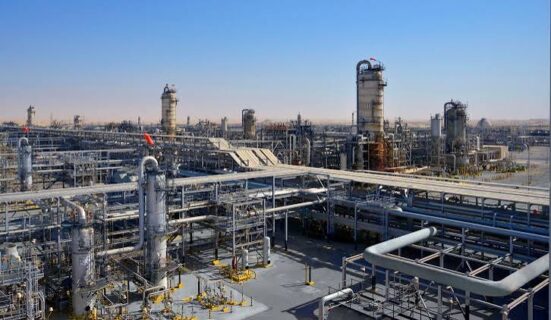
Saudi gas compression project significantly enhances Saudi Arabia’s gas infrastructure resilience and operational flexibility. Additionally, it supports rising domestic demand from power generation and industrial sectors. The project aligns with broader national energy diversification strategies.
Moreover, Saudi Arabia continues expanding non-oil hydrocarbon capacity under long-term development plans. Consequently, gas compression assets play a critical role in stabilizing field output pressure. This enables higher recovery efficiency across upstream assets.
Upstream industry reporting highlights that the facility supports large-scale gas field operations. Meanwhile, it improves transport efficiency through major pipeline corridors. Additionally, it reduces bottlenecks across existing processing infrastructure.
The investment also strengthens industrial feedstock availability. Furthermore, it ensures consistent gas supply to downstream petrochemical operations. However, execution timelines remain dependent on phased engineering milestones.
The Saipem-NSH partnership reflects growing reliance on international-local joint ventures. Moreover, this model enhances localization while retaining global technical expertise. Consequently, Saudi Arabia continues to attract major EPC contractors for strategic energy assets.
Saudi gas compression project Engineering execution and consortium overview
Engineering execution will follow a structured EPC delivery model. Additionally, procurement strategies will prioritize long-lead equipment sourcing. Construction activities will deploy phased site development planning.
The joint venture combines international engineering capability with regional delivery strength. Moreover, Saipem provides offshore and onshore engineering expertise. NSH contributes local construction capacity and regional operational coordination.
Furthermore, project management teams will coordinate multidisciplinary engineering packages. However, strict safety and quality standards will govern all phases. Consequently, compliance with Saudi energy regulations remains central.
Supply chain integration will involve global vendors and regional manufacturers. Additionally, fabrication yards will support modular construction approaches. This improves efficiency and reduces on-site installation timelines.
Upstream sources confirm the contract reflects ongoing Saudi gas infrastructure expansion. Meanwhile, energy demand growth continues driving compression capacity investments. Moreover, the project aligns with national energy security priorities.
The Saudi gas compression project aligns closely with the Kingdom’s wider industrial gas infrastructure expansion across strategic zones such as NEOM’s Oxagon. In a related development, NEOM Oxagon recently signed a $160 million agreement with Abdullah Hashim Industrial Gases & Equipment Co. to develop a phased industrial gases production and distribution facility supporting new industrial tenants.
This project also aligns with wider Gulf gas infrastructure investment momentum, particularly in Abu Dhabi where major EPC awards continue to reshape regional supply capacity. In a related development, a $2.8 billion Habshan gas complex continues to strengthen transmission and processing capabilities across key upstream networks. This parallel expansion in both the UAE and Saudi Arabia highlights a coordinated regional push to enhance gas reliability, improve processing efficiency, and support growing industrial demand across the GCC energy sector.
Project Fact Sheet
Project name: Uthmaniyah Gas Compression Plant
Location: Uthmaniyah, Eastern Province, Saudi Arabia
Sector: Oil and gas infrastructure
Project type: Onshore gas compression
Approximate project value: $1 billion
Confirmed Saipem share: Approximately €900 million
Contract type: Engineering, Procurement and Construction (EPC)
Contract duration: Approximately 42 months
Gas resource: Non-associated natural gas
Main purpose: Support continued production from the Uthmaniyah gas field
Key infrastructure: New gas compression plant
Latest milestone: EPC contract awarded
Award date: June 10, 2026
Current status: Early execution following EPC award
Localization framework: National EPC Champion Program
Strategic objective: Extend field production and support domestic energy demand
Broader gas strategy: Increase sales-gas production capacity by approximately 80% by 2030
Existing facility: Uthmaniyah Gas Plant
Regional significance: Supports Saudi Arabia’s expanding gas-processing infrastructure
Construction timeline: Approximately 42 months from contract execution
Project Team
Client: Saudi Aramco
EPC contractor: Saipem Nasser Saeed Al-Hajri Contracting Company (SNSH)
International partner: Saipem
Saudi partner: Nasser Saeed Al-Hajri and Partners Company for Contracting (NSH)
Saipem role: Engineering, procurement and construction delivery
NSH role: Joint-venture participation and Saudi execution support
Project facility: Uthmaniyah Gas Compression Plant
Host asset: Uthmaniyah non-associated gas field
Program: Saudi National EPC Champion Program
Program objective: Build domestic full-scope onshore EPC capability
Asset owner/operator: Saudi Aramco
Location authority: Kingdom of Saudi Arabia
Existing facility technology: Aramco’s digital and Fourth Industrial Revolution systems



Leave a Reply