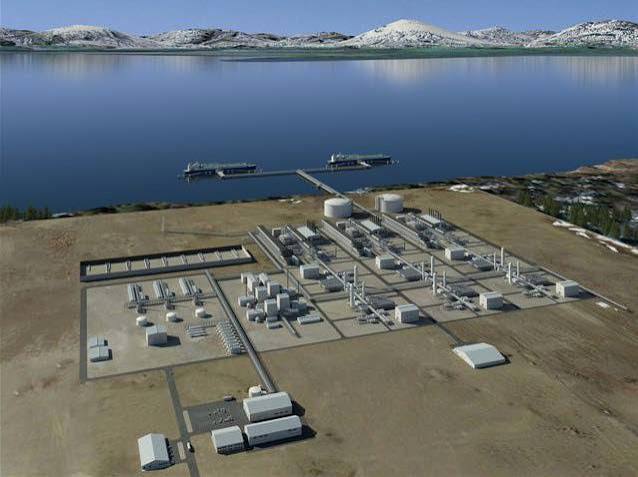
South Korea has committed $54 billion to the Alaska LNG project, advancing an 807-mile natural gas pipeline and a 20-million-metric-ton-per-year LNG export facility in Alaska.
President Donald Trump announced the commitment on September 30 as part of a broader U.S.-South Korea investment package. The Alaska LNG project would connect natural gas production on Alaska’s North Slope with a planned liquefaction and export facility at Nikiski on the Kenai Peninsula.
The project has an estimated cost of $44.5 billion to $54.5 billion, although some industry estimates have placed the potential cost above $60 billion. The development would include the pipeline, gas treatment infrastructure and the LNG export terminal.
Alaska LNG Pipeline to Stretch 807 Miles
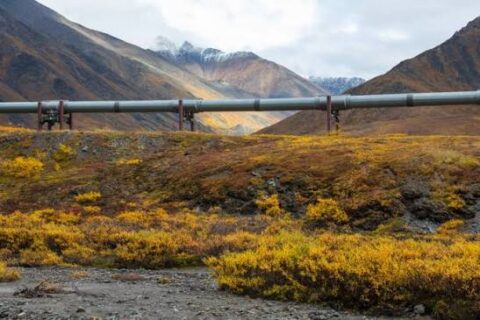
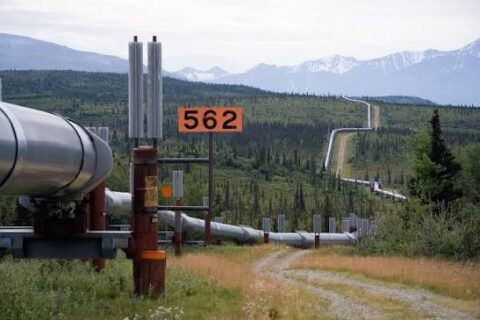
The centerpiece of the project is an approximately 807-mile, 42-inch-diameter pipeline running from Prudhoe Bay on Alaska’s North Slope to Nikiski.
The pipeline would have capacity to transport about 3.3 billion cubic feet of natural gas per day. It would supply Alaska’s domestic market while providing feedstock for the LNG export facility.
The development includes a 739-mile mainline pipeline and an optional 63-mile Point Thomson lateral. The pipeline system would cross remote and environmentally sensitive areas as it moves gas from Alaska’s North Slope toward the Kenai Peninsula.
Construction is targeted to begin in late 2026. The pipeline is scheduled for completion in 2028, with first gas delivery targeted for 2029.
Nikiski LNG Facility Would Produce 20 MTPA
The second major component is the LNG liquefaction and export facility planned for Nikiski.
The facility would have capacity to produce approximately 20 million metric tons of LNG annually for international markets. Its location on the Kenai Peninsula would connect the project to existing energy infrastructure and marine transportation.
The LNG facility has a separate final investment decision targeted for 2027. First LNG exports are scheduled for 2030-2031.
The project is being developed by 8 Star Alaska LLC, which is owned 75% by Glenfarne Group and 25% by the State of Alaska.
Contractors and Suppliers Already Selected
The project has assembled a group of contractors and suppliers for the pipeline and related infrastructure.
Worley Limited is providing engineering, procurement and construction management services.
Pipeline construction has been divided among several joint ventures. They include MasTec/Precision Pipeline, Quanta/Price Gregory, Michels/ASRC-Houston Contracting, Associated Pipe Line/Doyon/Cruz, Barnard/SICIM and Spiecapag/U.S. Pipeline.
Corinth Pipeworks of Greece, Europipe GmbH of Germany and South Korea’s POSCO International are supplying line pipe.
Baker Hughes, Danaos and POSCO International are also strategic partners in the development.
Project Secures Gas Supply and LNG Buyers
Alaska LNG has secured gas supply commitments from ExxonMobil, Hilcorp Alaska, ConocoPhillips and Pantheon Resources/Great Bear Pantheon.
The project has also signed non-binding LNG offtake agreements covering 13 million metric tons per year with prospective buyers in Japan, South Korea, Taiwan and Thailand, as well as TotalEnergies.
The development still requires about 3 million additional metric tons per year in binding offtake agreements to support financing.
Within Alaska, ENSTAR Natural Gas has signed a 30-year letter of intent to purchase gas. The Donlin Gold Mine has also committed to 50 million cubic feet per day.
Project Advances Under U.S.-South Korea Investment Initiative
The $54 billion commitment forms part of the broader U.S.-South Korea Trade and Investment Initiative, finalized in July 2025, which also includes an eight-reactor U.S. nuclear program capable of adding up to 10.2 GW of generating capacity.
Under that initiative, South Korea pledged a broader $350 billion investment package in the United States. The Alaska LNG development is a major energy component of that investment relationship.
The September 30 commitment advances the project at a critical stage as its developers work toward final investment decisions, additional offtake agreements and financing.
South Korean officials have previously indicated that commercial and domestic approval processes remain relevant to the investment. The announced commitment therefore moves the project forward but does not replace the remaining financing and development milestones.
Environmental Review Covers Alaska LNG Development
Federal environmental review has been a major part of the project’s development.
The Federal Energy Regulatory Commission’s review covers the proposed pipeline, gas treatment facilities and LNG export infrastructure. The project has undergone extensive environmental assessment because of its route through Alaska’s remote terrain and the potential effects on wetlands, permafrost, wildlife habitat and other environmental resources.
The development has received the major federal environmental approvals described in the project’s development record.
Construction Timeline Extends Into the Next Decade
The current schedule calls for pipeline construction to start in late 2026, followed by pipeline completion in 2028 and first gas delivery in 2029.
Glenfarne Alaska LNG plans to reach a final investment decision on the pipeline in 2026. The company targets a separate FID for the LNG export facility in 2027.
If the project stays on schedule, construction of the export facilities will advance toward first LNG production and exports in 2030–2031.
The project could require thousands of construction workers during the build-out, followed by hundreds of permanent operations jobs once the facilities enter service.
For Alaska, the project would create a new connection between North Slope gas production, the state’s domestic gas market and an LNG export system serving international customers.
Alaska LNG is also part of a broader wave of large-scale LNG infrastructure advancing across the United States. In Louisiana, the $4 billion Commonwealth LNG export facility in Cameron Parish is advancing with plans for a 9.5-million-metric-ton-per-year export terminal along the Calcasieu Ship Channel. While Commonwealth LNG is being developed on the Gulf Coast, Alaska LNG would connect North Slope gas production to a new export facility at Nikiski, giving the two projects different supply routes and geographic positions in the U.S. LNG market.
Alaska LNG Project Factsheet
- Project: Alaska LNG
- Location: Prudhoe Bay to Nikiski, Alaska
- Investment: $54 billion South Korean commitment
- Estimated Project Cost: $44.5 billion to $54.5 billion, with some estimates exceeding $60 billion
- Pipeline: Approximately 807 miles
- Pipeline Diameter: 42 inches
- Pipeline Capacity: 3.3 billion cubic feet per day
- LNG Capacity: 20 million metric tons per year
- Owner: 8 Star Alaska LLC
- Ownership: Glenfarne Group, 75%; State of Alaska, 25%
- Gas Supply Partners: ExxonMobil, Hilcorp Alaska, ConocoPhillips and Pantheon Resources/Great Bear Pantheon
- EPCM Contractor: Worley Limited
- Pipeline Contractors: MasTec/Precision Pipeline; Quanta/Price Gregory; Michels/ASRC-Houston Contracting; Associated Pipe Line/Doyon/Cruz; Barnard/SICIM; and Spiecapag/U.S. Pipeline
- Line Pipe Suppliers: Corinth Pipeworks, Europipe GmbH and POSCO International
- Strategic Partners: Baker Hughes, Danaos and POSCO International
- LNG Offtake: 13 MTPA in non-binding agreements
- Additional Offtake Needed: Approximately 3 MTPA in binding agreements
- Construction Start: Targeted for late 2026
- Pipeline Completion: 2028
- First Gas Delivery: 2029
- LNG Facility FID: Targeted for 2027
- First LNG Exports: 2030-2031
- Employment: Thousands of construction jobs during the build-out, followed by hundreds of permanent operations positions


Leave a Reply