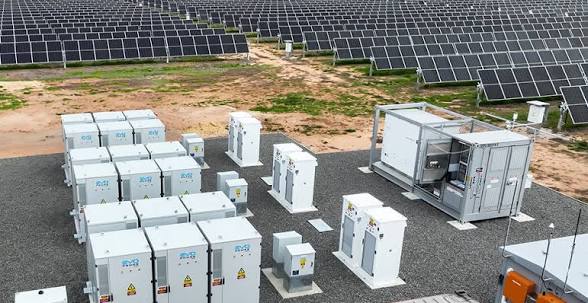
Australia’s Sundown Solar and Battery Project in New South Wales (NSW) has secured federal environmental approval. This advances the proposed renewable energy development towards construction.
Similarly, the Blind Creek Solar and Battery Project in New South Wales is advancing towards construction after it’s A$900 million financial close.
The Sundown Solar and Battery Project is being developed by Recurrent Energy, a subsidiary of Canadian Solar. It is planned for Spring Mountain, approximately 30 kilometres east of Inverell in the New England region.
The federal approval was granted on October 23, 2026, under Australia’s Environment Protection and Biodiversity Conservation (EPBC) Act. It follows state development consent issued by the NSW Independent Planning Commission on August 4, 2026. Therefore, the project can proceed, subject to environmental conditions. These include biodiversity offsets and an approved biodiversity management plan.
The development comprises a large-scale solar photovoltaic (PV) farm and a battery energy storage system (BESS). Sundown Solar and Battery Project comprises of approximately 350–360MW of solar generation and a 150MW battery with four hours of storage, equivalent to 600MWh.
The approval represents a significant regulatory milestone for a project that has been in the NSW planning process for several years. However, the federal decision does not by itself confirm a construction start date, final investment value or completion schedule.
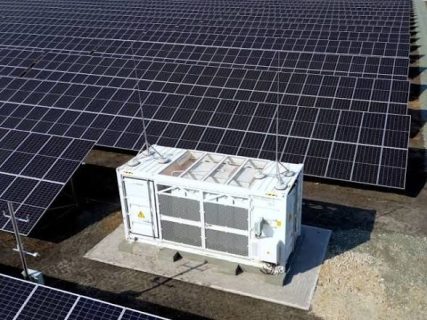
Sundown Solar and Battery Project Scope and Location
The Sundown Solar and Battery Project development is located within the New England Renewable Energy Zone (REZ), which is designated for renewable energy generation and supporting electricity infrastructure. The project site is in Inverell Shire, northern New South Wales. It lies between the towns of Inverell and Glen Innes.
According to NSW planning authorities, the approved project includes a 360MW solar farm and a 150MW battery energy storage system. It will also include supporting infrastructure. However, federal approval reports from November 2026 cite a 350MW solar capacity.
The solar facility will use photovoltaic panels to convert sunlight into electricity. These panels are expected to be mounted on supporting structures across the development site. The wider infrastructure requirements include electrical equipment, cabling, inverters, substations, access arrangements and facilities needed to operate and maintain the installation.
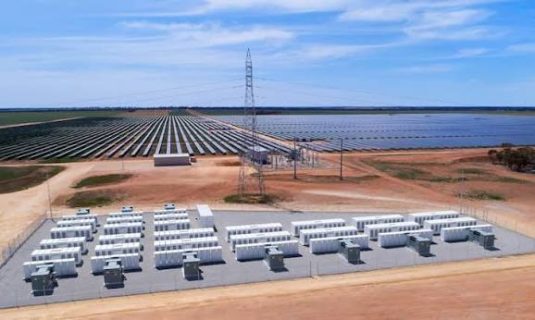
The battery system will store electricity for later dispatch. Its 150MW power rating represents the maximum rate at which it can charge or discharge, while its 600MWh energy capacity represents the amount of electricity it can store. At full rated output, a 600MWh battery could theoretically deliver 150MW for four hours, before accounting for operating constraints and conversion losses.
Furthermore, combining solar generation with battery storage will improve the reliability of renewable electricity. This is because excess power generated during sunny periods can be stored and supplied later when demand increases or market conditions require it.
Federal Approval and Environmental Conditions
The federal environmental decision is a key step because the project requires compliance with national environmental protection requirements in addition to NSW planning consent.
Additionally, the federal approval remains valid until the end of 2066. It requires the developer to purchase and retire biodiversity offsets to compensate for impacts associated with vegetation clearing and construction. The project must also have a biodiversity management plan approved by the NSW Planning Secretary and make the plan publicly available.
These requirements will influence how the project is prepared for construction. The developer must account for biodiversity impacts during site preparation, establish appropriate management measures and comply with the approval conditions throughout the relevant stages of delivery.
The NSW Independent Planning Commission also imposed conditions covering traffic management, road maintenance, dust control and fire safety. The developer must prepare a traffic management plan in consultation with Transport for NSW, Inverell Shire Council and Glen Innes Severn Shire Council.
Sections of Spring Mountain Road must be sealed in accordance with council requirements, while damage caused to Spring Mountain Road and Sturmans Road by project activities must be repaired. A fire safety study is also required before construction begins.
The conditions are particularly important because construction traffic could affect local roads, nearby farms and residents. Deliveries of solar panels, steel supports, electrical equipment and battery components will require coordinated transport arrangements. Dust suppression and safe access will therefore be essential during earthworks and equipment installation.
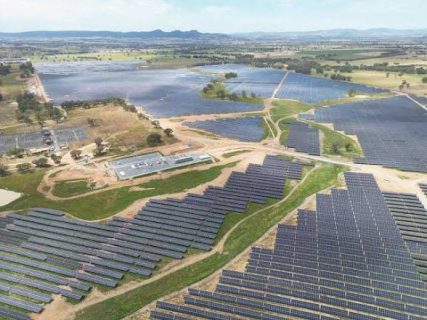
Construction Materials and Engineering Requirements
The project will require a combination of photovoltaic modules, mounting structures, foundations, electrical equipment and battery storage components. Earlier planning documentation for Sundown identified solar PV modules, steel racking and piled supports, transformers, inverters, electrical cabling, telecommunications equipment and supporting site infrastructure as elements of the proposed development.
The principal construction materials and systems are expected to include:
Solar PV modules: Convert sunlight into direct-current electricity.
Steel mounting structures and piled supports: Secure the solar panels and provide the structural support required for the installation.
Battery storage equipment: Store electricity for later discharge, with a reported capacity of 600MWh.
Inverters and transformers: Convert electrical output into a form suitable for the project’s electrical network and facilitate voltage management.
Cables, substations and grid equipment: Transfer electricity between the solar arrays, battery system and transmission infrastructure.
Civil works materials: Gravel, concrete and other construction materials may be required for access roads, equipment foundations, drainage and operational facilities, subject to the final engineering design.
The precise quantities, material suppliers, battery technology, engineering consultants and construction contractors have not been confirmed yet.
Grid Connection and Electricity Storage
The Sundown Solar and Battery project is located near existing electricity infrastructure, including a 330kV transmission line identified in earlier planning documentation. This infrastructure is relevant to the proposed connection, although the availability of nearby transmission infrastructure does not automatically establish that all grid connection requirements have been satisfied.
In April 2026, Recurrent Energy had secured grid connection approval for the Sundown hybrid project. The project’s final connection arrangements and readiness for construction should therefore be confirmed against current developer and network operator documentation.
The battery system will complement solar generation by shifting some electricity supply from periods of high solar production to later periods. This can support electricity system flexibility, although actual performance will depend on charging conditions, operating strategy, network constraints and market demand.
The development’s location within the New England REZ also places it within a wider regional effort to expand renewable generation. Its contribution will depend not only on installed capacity but also on transmission availability and coordination with other projects in the area.
Community Impact and Regional Economic Benefits
The Sundown Solar and Battery Project is expected to provide economic opportunities through construction, equipment procurement, transport and ongoing maintenance. The NSW Independent Planning Commission identified potential regional economic benefits and noted that sheep grazing could continue beneath solar panels where practicable.
However, the development has also attracted community objections concerning agricultural land use, construction traffic, dust, noise, water availability and fire risks. These issues featured in the planning assessment and contributed to the conditions imposed on the project.
The developer’s ability to manage these impacts will be important to maintaining relationships with nearby landowners. Construction planning must consider farm access, livestock movements, road safety and the timing of heavy vehicle deliveries.
The project also has implications for regional employment. Construction activities could create opportunities for civil engineering contractors, electrical specialists, equipment suppliers and transport operators. However, a verified final construction workforce estimate and local employment commitments have not been confirmed.
Sundown Solar and Battery Project Timeline and Next Steps
The project’s latest milestone follows a lengthy planning process. The NSW Independent Planning Commission approved the state significant development application on August 4, 2026, before the federal environmental approval was signed on October 23, 2026.
The next steps include satisfying the relevant approval conditions, completing biodiversity management requirements, finalising construction arrangements and confirming the status of grid connection requirements. The developer will also need to coordinate engineering, procurement, site preparation and construction scheduling.
No verified construction commencement date, final capital investment figure or commercial operation date has been identified . These details remain important indicators of when the project could progress from regulatory approval into physical delivery.
Sundown Solar and Battery Project Fact Sheet
Location: Spring Mountain, approximately 30km east of Inverell, New South Wales, Australia
Local government area: Inverell Shire
Renewable energy zone: New England Renewable Energy Zone
Project type: Utility-scale solar photovoltaic farm and battery energy storage system
Solar generation capacity: Reported as 350MW in federal approval coverage; 360MW in NSW planning documents
Battery power capacity: 150MW
Battery energy capacity: 600MWh
Developer: Recurrent Energy
Project applicant: Sundown SF Subco Pty Ltd
Parent company: Canadian Solar
State approval: August 4, 2026
Federal environmental approval: October 23, 2026
Federal approval validity: Until the end of 2066
Primary purpose: Renewable electricity generation and energy storage
Key environmental requirements: Biodiversity offsets, an approved biodiversity management plan, traffic management and fire safety measures
Sundown Solar and Battery Project Team
Project developer: Recurrent Energy
Project applicant: Sundown SF Subco Pty Ltd
Parent company: Canadian Solar
State planning authority: NSW Independent Planning Commission
Federal environmental regulator: Australian Government, under the EPBC Act
Planning and development oversight: NSW Department of Planning, Housing and Infrastructure
Road and traffic coordination: Transport for NSW, Inverell Shire Council and Glen Innes Severn Shire Council



Leave a Reply