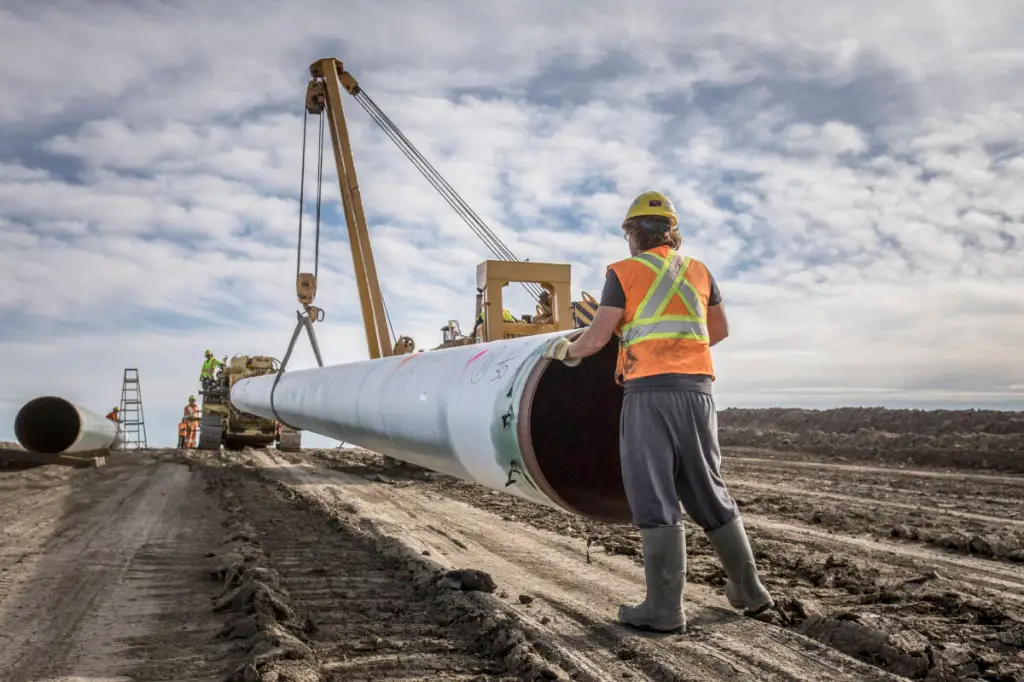
Enbridge has begun construction on the Sunrise Expansion Program, a 4 billion dollar expansion of its Westcoast natural gas pipeline system in British Columbia. Federal Energy and Natural Resources Minister Tim Hodgson joined local leaders at Enbridge’s stockpile site in Prince George on July 20, 2026, to mark the start of works, following Ottawa’s approval of the project in April. The Sunrise Expansion runs along the T South section of the Westcoast system, stretching from near Chetwynd in northeastern B.C. down to the Canada U.S. border in the Fraser Valley. Once finished, it will add approximately 300 million cubic feet per day of new transportation capacity, an increase of about 17 percent, to a pipeline network that already spans more than 2,900 kilometres. The build calls for roughly 140 kilometres of new pipe installed as 11 looping segments running parallel to the existing line, along with added compression at select stations to boost throughput. Westcoast, an Enbridge affiliate, owns and operates the system, which delivers processed gas to homes, hospitals, schools and industry across B.C., Alberta and the U.S. Pacific Northwest. Enbridge is sourcing its steel domestically, with InterPro Pipe and Steel in Saskatchewan supplying pipe that is fully melted and poured in Canada. Thirty eight First Nations hold a 12.5 percent ownership stake in the wider Westcoast system, backed by the federal Indigenous Loan Guarantee, and Enbridge says it has already spent more than 52 million dollars hiring and procuring services from Indigenous businesses for this project alone. Construction is targeted to run through to an in service date near the end of 2028.
British Columbia Energy Sector Gains Momentum Alongside Sunrise Expansion
The Sunrise Expansion lands at a moment when British Columbia is racing to line up gas supply behind a wave of LNG export projects on its coast. Enbridge holds a 30 percent stake in Woodfibre LNG, an export terminal under construction in Squamish that is being built to run on hydroelectric power and is billed as the world’s first net zero LNG facility. Federal officials have framed Sunrise as a way to guarantee that gas reaches those terminals without squeezing supply for B.C. households and businesses that depend on the same Westcoast system. The province is not alone in chasing this kind of buildout. Across the continent, Mexico has been expanding its own gas fired generation to meet growing demand, including the Comisión Federal de Electricidad’s Baja California Sur power station, a combined cycle gas turbine plant near La Paz built with an investment of 9.8 billion pesos. Both projects reflect a broader North American pattern of governments and utilities backing gas infrastructure as a bridge fuel while renewable capacity scales up. In B.C.’s case, officials argue the added pipeline capacity also strengthens grid reliability during peak winter demand, a concern that has grown sharper amid global energy market volatility tied to the ongoing disruption in Iran. Premier David Eby has pointed to the jobs and industrial spinoffs the project is expected to generate as the province works to bring several major industrial developments online at once.
Sunrise Expansion Timeline and What Comes Next
With construction underway, Enbridge’s near term focus is on pipe installation along the 11 looping segments and the buildout of new compression facilities, including electric driven compressors that will require additional powerline infrastructure. The company has said it will keep working with Indigenous groups, local communities, contractors and labour throughout the build as the project moves from approval into full construction. Enbridge expects the Sunrise Expansion Program to employ about 2,500 workers, drawing on local and Indigenous labour across the pipeline corridor. Barring delays, the project is expected to enter service near the end of 2028, adding its 300 million cubic feet per day of capacity to the T South system. Enbridge projects the buildout will contribute more than 3 billion dollars to Canada’s economy and more than 2.5 billion dollars to B.C.’s economy over the coming decades, though those figures represent company estimates rather than independently audited forecasts.
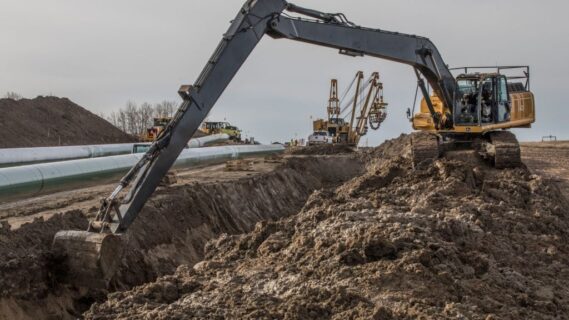
Project Fact Sheet
- Project Name: Sunrise Expansion Program
- Location: Northeastern British Columbia to the Fraser Valley, Canada, along the T South section of the Westcoast Pipeline
- Project Value: 4 billion dollars, per Enbridge and the Government of Canada
- Client/Owner: Westcoast Energy Limited Partnership, an Enbridge affiliate
- Key Components: About 140 kilometres of new looped pipeline across 11 segments, plus additional compression at existing stations and new electric driven compressors
- Procurement Model: Enbridge led development with domestic steel procurement from InterPro Pipe and Steel
- Construction Start: Summer 2026, following April 2026 federal approval
- Expected Completion: Late 2028
- Jobs Created: Approximately 2,500 construction jobs
- Environmental/Social Features: 38 First Nations hold a 12.5 percent ownership stake in the Westcoast system, backed by the federal Indigenous Loan Guarantee, and more than 52 million dollars has gone to Indigenous business procurement
- Strategic Impact: Projected to contribute over 3 billion dollars to Canada’s economy and over 2.5 billion dollars to B.C.’s economy, supporting LNG exports including Woodfibre LNG
Project Team
- Client/Owner: Enbridge Inc. through its Westcoast Energy Limited Partnership affiliate
- Steel Supplier: InterPro Pipe and Steel, Saskatchewan
- Regulatory Body: Natural Resources Canada and the Government of Canada
- Indigenous Partners: 38 First Nations communities holding an ownership stake in the Westcoast system, with support from BC Métis Federation for Métis contractor participation
- Main Contractor: Not yet disclosed
Frequently Asked Questions
When will the Sunrise Expansion Program be completed? Enbridge expects the project to enter service near the end of 2028.
How much does the Sunrise Expansion Program cost? The project represents a 4 billion dollar investment by Enbridge in its Westcoast pipeline system.
Who owns the Sunrise Expansion Program? Westcoast Energy Limited Partnership, an Enbridge affiliate, owns and operates the pipeline, with 38 First Nations holding a 12.5 percent stake in the broader Westcoast system.
How much capacity will the Sunrise Expansion Program add? It will add approximately 300 million cubic feet per day of natural gas transportation capacity, about a 17 percent increase.
Where is the Sunrise Expansion Program located? It runs along the T South section of the Westcoast Pipeline in British Columbia, from near Chetwynd to the Canada U.S. border in the Fraser Valley.


Leave a Reply