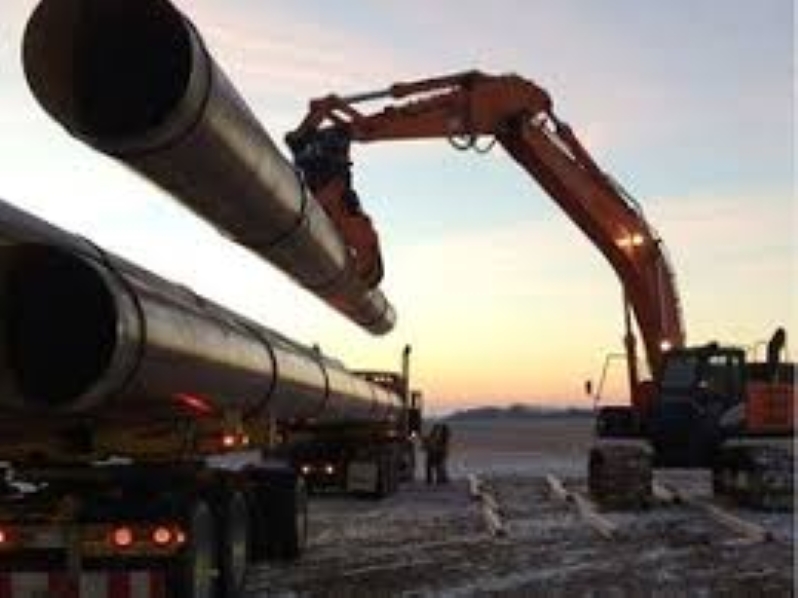
The Appalachia Supply Project is a $1.5 billion brownfield expansion of TC Energy’s extensive Columbia Gas Transmission pipeline network, which currently stretches over 11,000 miles across 10 U.S. states. Designed to move natural gas from Marcellus shale production to key demand markets in the Midwest and Mid-Atlantic, the infrastructure buildout will initially add 0.8 Bcf/d of takeaway capacity, with engineering scalable up to 2.0 Bcf/d through future compression additions. The project’s primary driver is the rapid growth in regional electricity usage, particularly within the PJM grid footprint, fueled by new natural gas-fired power generation, industrial growth, and energy-intensive data centers. Fully commercialized under a 20-year take-or-pay contract with an investment-grade utility, the expansion targets an in-service date of 2030 following regulatory permitting and construction phases.
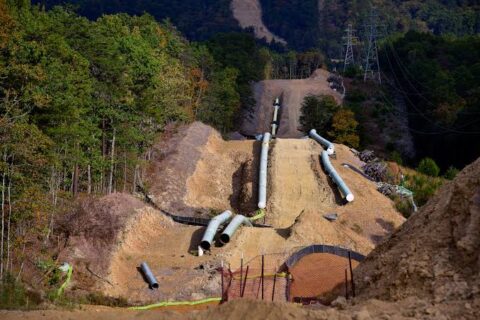
Similar Development
Also, a another similar development that is upcoming in the US is the Solitude Pipeline System. Both projects reflect a broader wave of natural gas infrastructure investment driven by soaring power and data center demand, the Columbia Gas expansion and the Solitude Pipeline System represent complementary, region-specific solutions servicing different U.S. supply basins. Whereas TC Energy’s Columbia Gas system gathers Marcellus shale gas to serve regional Midwest and Mid-Atlantic utility networks, the Solitude Pipeline System, a joint venture involving WhiteWater, Devon Energy, MPLX, Diamondback Energy, and Western Midstream, is a Permian-to-Katy project designed to transport West Texas natural gas toward Gulf Coast demand centers and LNG export facilities. Together, these parallel infrastructure developments underscore how midstream operators across both the Appalachian and Permian basins are scaling up long-haul takeaway capacity to support America’s rapidly expanding energy grid and power generation needs.
May 1, 2026
TC Energy Corporation has approved a US$1.5 billion expansion of its Columbia Gas Transmission pipeline system in the United States, marking another major North American gas infrastructure investment aimed at serving increasing power demand from utilities, industrial users, LNG export and energy-intensive digital infrastructure.
The project, named the Appalachia Supply Project, will expand capacity on the Columbia Gas network by up to 0.8 billion cubic feet per day (Bcf/d), with an in-service target of 2030. The sanction also comes after the Calgary-headquartered pipeline operator reported stronger-than-expected first-quarter 2026 earnings, reinforcing management’s confidence in long-term gas demand.
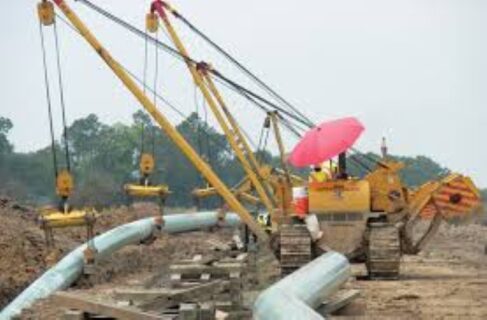
TC Energy Columbia Gas Pipeline Expansion: Project Overview
The expansion is backed by a 20-year take-or-pay agreement with a utility customer, significantly de-risking the project from a revenue perspective while aligning with TC Energy’s capital strategy. According to management, the project could ultimately be scaled to 2.0 Bcf/d through future expansions, creating a repeatable growth platform along a high-demand corridor serving emerging gas-fired power generation markets in the US Heartland.
The approval also follows exceptionally strong market response to TC Energy’s earlier Columbia open season, which reportedly received bids equivalent to three times the proposed capacity, indicating robust customer appetite for incremental gas transportation capacity amid grid expansion, data center growth, electrification and coal-to-gas switching.
Project Fact Sheet
Project name: Appalachia Supply Project
Developer: TC Energy Corporation
Pipeline system: Columbia Gas Transmission
Location: US Heartland corridor
Investment value: US$1.5 billion
Capacity: 0.8 Bcf/d initial, scalable to 2.0 Bcf/d
Commercial structure: 20-year take-or-pay contract
Customer: Undisclosed investment-grade utility
Target operation date: 2030
Project type: Brownfield gas pipeline expansion
Expected build multiple: 7.3x
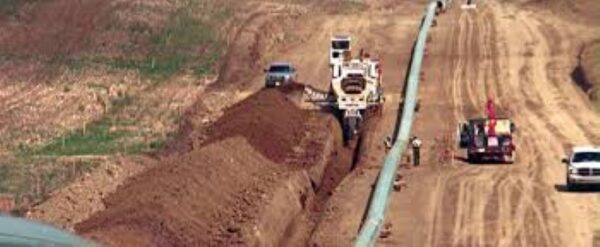
Appalachia Supply Project at the Center of Growing Brownfield Trend in North America
The Appalachia Supply Project reflects a broader strategic pivot among North American midstream operators toward brownfield and in-corridor pipeline expansions. These generally offer lower regulatory risk, faster permitting pathways and stronger economics than greenfield projects. Rather than pursuing entirely new transmission systems, companies such as TC Energy are leveraging existing rights-of-way, compression assets and interconnections to incrementally expand throughput.
This trend is being reinforced by three overlapping structural shifts.
First, North America is experiencing sustained LNG-led natural gas demand growth as new export facilities ramp up across the Gulf Coast. Second, utilities are increasingly sanctioning gas-fired generation to support grid reliability as renewable penetration rises and coal capacity retires. Third, electricity demand from AI infrastructure, hyperscale data centers and crypto mining operations is emerging as a new major load driver requiring dispatchable baseload generation – much of which is currently being met through natural gas.
For TC Energy, the project strengthens the long-term competitiveness of the Columbia Gas Transmission pipeline system by extending its reach into premium growth markets. Management has also emphasized that its integrated North American footprint is becoming increasingly valuable as customers seek flexible, scalable and lower-risk infrastructure solutions. Industrial demand in the US Heartland is also expected to increase as the region continues to attract heavy investment with projects such as the Cerilon Gas-to-Liquids (GTL) plant in North Dakota.
Project Cost
The Appalachia Supply Project carries an estimated capital cost of US$1.5 billion and is expected to deliver a build multiple of approximately 7.3x. This positioning it within TC Energy’s targeted return framework. Additionally, the project has a long-term utility offtake agreement. This limits merchant exposure and enhances earnings potential.
The approval was announced alongside TC Energy’s Q1 2026 results, which showed:
- Comparable earnings of C$1.0 billion
- Comparable EBITDA of C$3.1 billion, up 14% year-on-year
- Segmented earnings up 10%
- Adjusted EPS of C$0.99, narrowly ahead of analyst expectations of C$0.98
Segment performance was particularly strong across:
- US natural gas pipelines: +10%
- Canadian natural gas pipelines: +3%
- Mexico natural gas pipelines: +85.4%
This financial strength supports TC Energy’s broader capital expenditure outlook of C$6.0-6.5 billion for 2026. Management is also signaling growing visibility toward additional project sanctions later in the decade.
Project Team
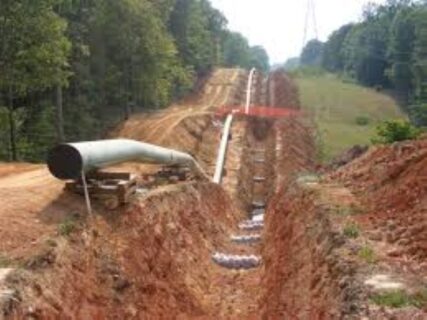
EPC contractors and engineering partners have not yet been publicly disclosed. Likely project participants include internal TC Energy engineering teams alongside major US pipeline contractors, compression specialists, environmental consultants and permitting advisors.
Known project stakeholders currently include:
Project Developer: TC Energy Corporation
Pipeline System: Columbia Gas Transmission
Utility Offtaker: Undisclosed investment-grade utility
Regulatory Authorities:
- Federal Energy Regulatory Commission (FERC)
- U.S. Army Corps of Engineers
- Relevant state environmental agencies
Potential contractor categories include:
- Pipeline engineering consultants
- Compression equipment suppliers
- Metering and instrumentation contractors
- Environmental permitting consultants
- Civil and ROW contractors
TC Energy Columbia Gas Pipeline Expansion Project: What to Expect
The project is expected to enter detailed engineering, permitting and stakeholder engagement phases over the next 12-24 months before major construction mobilization.
Additionally, because the project is using an existing transmission corridor, execution risk is materially lower than for greenfield infrastructure. This improves probability of schedule adherence while preserving capital efficiency.
Longer term, Appalachia Supply could also become a platform asset rather than a standalone expansion. TC Energy has explicitly indicated scalability up to 2.0 Bcf/d, suggesting further phases could be sanctioned if customer demand continues to build along the corridor. This makes the project important not only for immediate contracted capacity, but also for establishing expandable infrastructure in a structurally advantaged region.



Leave a Reply