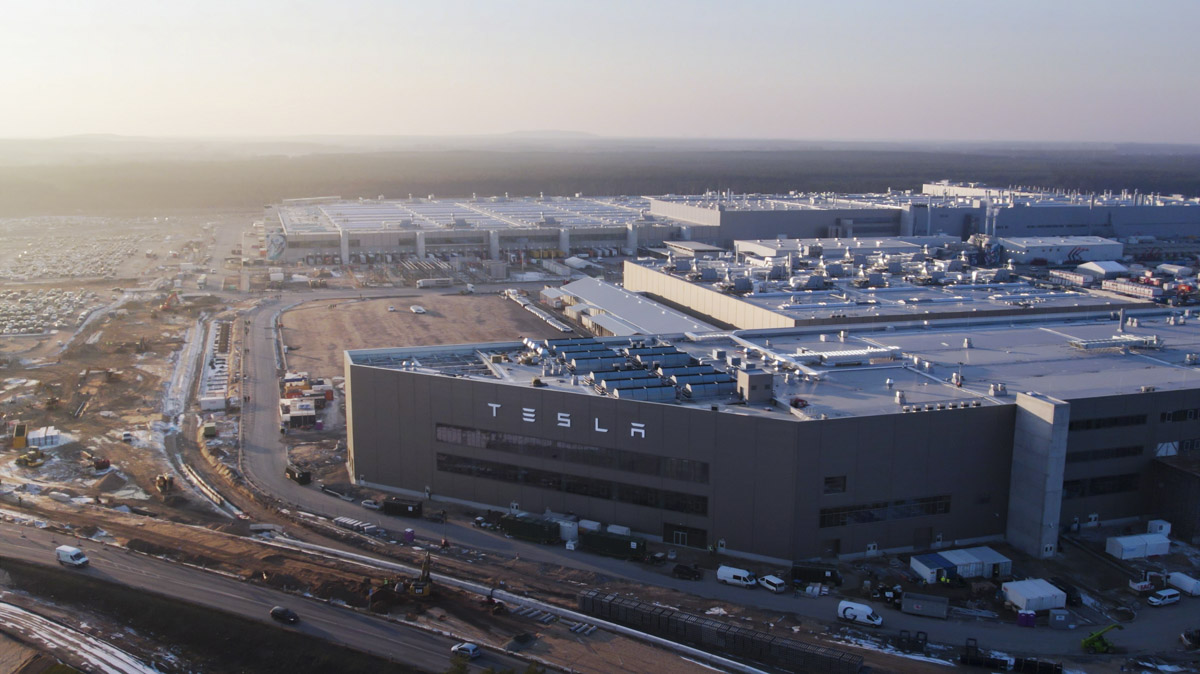
The Tesla Giga Berlin expansion is now a €3 billion ($3.3 billion) plan. Tesla will build a new production building at its Grünheide gigafactory near Berlin that could eventually make up to 1 million Cybercab robotaxis a year. Production is due to start in 2029. The move would turn Tesla’s only European car plant into a key hub for its self-driving vehicle push.
What the Tesla Giga Berlin expansion includes
Tesla announced the investment on November 16 and called it a first step. The money covers the new production building, ancillary buildings, and a second wastewater treatment plant. However, Tesla did not give a total cost for the full expansion beyond this first phase. It also gave only the building’s eventual capacity, not how many cars it would produce each year at the start.
The timetable is firm. Tesla will file the building permit application before the end of 2026, start construction in the first half of 2027, and begin Cybercab production in 2029. That leaves about two years to build and equip the new hall.
Why Grünheide, and why now?
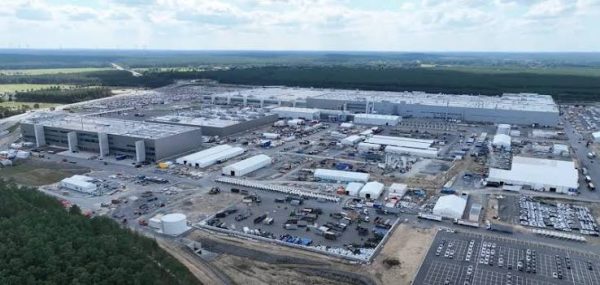
Grünheide is already a big site. The plant began producing cars in 2022, and around 11,000 people currently work there. In addition, plant manager André Thierig said full 4680 battery cell production at the site is on track for mid-2027. That is a separate investment of nearly €1 billion, expected to add more than 1,500 jobs.
The expansion also has some permits in hand. In October 2024, the state environment agency granted a first partial permit for building extensions and relocating ancillary facilities and supply infrastructure, using only land Tesla already owns. That earlier approval should give the new application a head start.
Local politicians welcomed the news. Brandenburg’s minister-president, Dietmar Woidke, said the investment and the prospect of up to one million Cybercabs mark a decision of enormous economic significance. The timing stands out. Much of the German auto industry is cutting jobs and scaling back at home, so a major new car investment runs against the trend.
What happens next?
The permit is the first real test. Water use has been a sensitive issue at Grünheide since the start, partly because the plant sits in a drinking water protection area. As a result, Tesla says the expanded plant will stay within its existing contractual water limits, with an additional on-site wastewater plant and a larger water circuit. Regulators and local residents will look closely at those plans.
Hiring has started. Tesla is recruiting several hundred people for construction and production planning, though it did not say how many permanent jobs Cybercab production will add. Thierig also said the final go-ahead for the expansion would be made in the US.
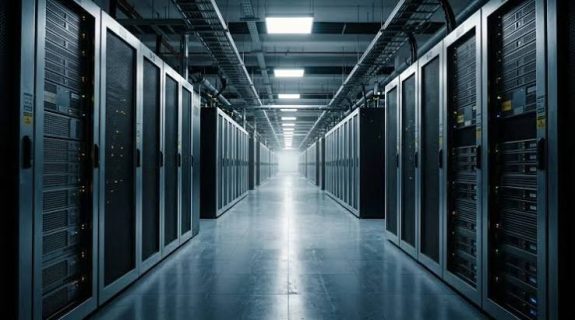
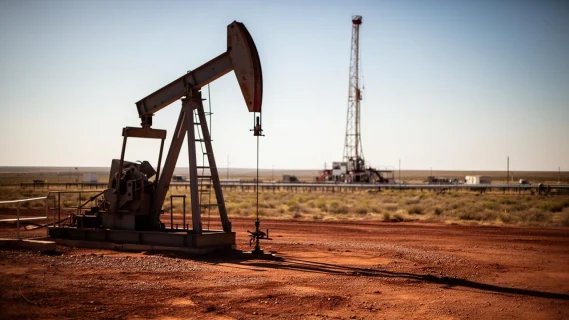
The Cybercab itself is new. Tesla put its first Cybercabs on the road two months ago. The two-seat vehicle has no steering wheel or pedals and is designed to run as a driverless taxi. Across the Atlantic, AI-era building is also booming. For example, ChronoScale has formed a 50/50 partnership to build an AI data center campus in Odessa, Texas.
other projects
According to OttOmate, site preparation is ongoing for the first Tesla combo dining and charging station, located at 7001 W. Santa Monica Boulevard in Hollywood, on the former site of a Shakey’s restaurant. The new structure would be flanked by a 30-car surface parking lot, each with a charging station.
Stantec is designing the restaurant, which is depicted in a drawing as a futuristic two-story tower with rooftop outdoor dining. The picture also depicts counter-style seating on the building’s outside.
Fact Sheet
Project: Giga Berlin Cybercab production building
Location: Grünheide, Brandenburg, Germany
Investment: about €3 billion ($3.3 billion), described as a first step
Scope: new production building, ancillary buildings, additional wastewater treatment plant
Capacity: up to 1 million Cybercabs a year (eventually)
Permit application: before the end of 2026
Construction start: first half of 2027
Production start: 2029
Current workforce: about 11,000


Leave a Reply