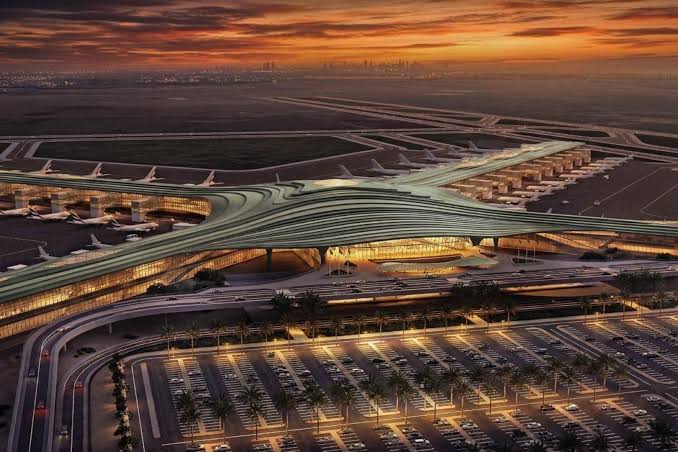
Second JKIA runway construction has been pushed into a later development phase after the Kenyan government adopted a phased expansion strategy for Jomo Kenyatta International Airport (JKIA). Instead of immediately building a new runway, authorities will first upgrade the existing airfield, expand terminal capacity, improve taxiways, and modernize airport systems. The revised approach follows findings from the newly completed JKIA Integrated Master Plan, which concluded that operational improvements can satisfy projected demand until the end of the decade while reducing immediate capital expenditure.
The decision marks a significant shift from earlier expansion proposals that included constructing a second runway as a priority. It also reflects changing infrastructure priorities following the cancellation of the proposed Adani concession and the adoption of a government-led modernization program valued at approximately KSh154.2 billion (about $1.2 billion).
Second JKIA runway construction deferred after master plan review
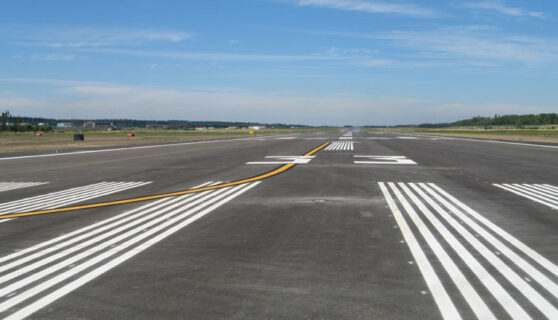
The JKIA Integrated Master Plan concludes that upgrading the existing runway offers the most cost-effective solution in the short term. Engineers recommended constructing two rapid exit taxiways, a runway-end exit taxiway, and a partial parallel taxiway instead of immediately developing another runway.
These improvements will reduce runway occupancy times and increase aircraft movements per hour. Consequently, JKIA can accommodate growing passenger and cargo traffic without building another runway immediately.
According to the master plan, the upgraded runway system should remain adequate until around 2029. Beyond that period, projected aircraft movements will exceed available capacity. Therefore, planners recommend constructing the second runway during Phase Two of the airport’s long-term development program between 2030 and 2045.
The report also notes that Runway 24 experiences limited use because prevailing easterly winds favor operations on Runway 06. As a result, operational enhancements provide greater immediate value than adding another runway.
Also read: $1.2bn JKIA Expansion Project Advances with TDB and AFC as Financial Partners for Kenya’s Airport
Also read: $1.2 Billion JKIA Modernisation: Dar Al-Handasah Awarded Supervisory Role in Kenya’s Airport
Second JKIA runway construction gives way to wider airport modernization
The deferred runway does not reduce the scale of the ongoing modernization program. Instead, the government has prioritized infrastructure that addresses today’s operational bottlenecks while preparing for future expansion.
Current works will include a new passenger terminal, rehabilitation of existing terminals, modernization of passenger processing systems, improved baggage handling, expanded aircraft parking areas, upgraded access roads, and airfield improvements. The program also seeks to improve safety, operational resilience, and passenger experience.
Government officials argue that the phased investment approach balances financial sustainability with long-term aviation growth. The strategy avoids spending billions on infrastructure before traffic volumes justify the investment. Meanwhile, runway upgrades will continue supporting Kenya’s position as East Africa’s leading aviation hub.
Industry experts also note that improving taxiway efficiency often delivers substantial runway capacity gains before constructing additional runways becomes economically necessary. The JKIA master plan follows this internationally accepted planning approach by sequencing investments according to projected demand.
Although earlier proposals promoted a second runway as an immediate priority, the latest roadmap places greater emphasis on maximizing existing infrastructure first. The second runway remains part of the airport’s long-term vision rather than an abandoned project.
Kenya’s wider aviation infrastructure program extends beyond Nairobi. While the government has deferred the second JKIA runway construction in favor of phased modernization, it is also advancing regional airport upgrades. For instance, the Phase II expansion of Malindi International Airport will extend the runway to accommodate larger international aircraft and strengthen tourism along Kenya’s coast.
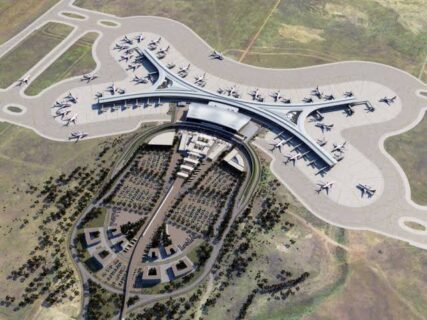
Also read: $2.9bn JKIA Upgrade Project, China Communications Construction Company to Develop Kenya’s Airport
Project Fact Sheet
Project: JKIA Modernization and Development Project
Focus: Second JKIA runway construction (deferred to Phase Two)
Location: Jomo Kenyatta International Airport, Nairobi, Kenya
Estimated project value: KSh154.2 billion (approximately $1.2 billion)
Project status: Design and build contract awarded; modernization works entering implementation
Current runway strategy: Upgrade existing runway with rapid exit taxiways and partial parallel taxiway
Second runway status: Planned for Phase Two (2030–2045)
Primary objective: Increase airport capacity through phased infrastructure upgrades
Major construction works:
- New passenger terminal building
- Existing terminal rehabilitation
- Runway upgrades
- Two rapid exit taxiways
- Partial parallel taxiway
- Runway-end exit taxiway
- Aircraft apron expansion
- Passenger processing modernization
- Baggage handling upgrades
- Landside road improvements
- Parking expansion
Expected benefit: Improved operational efficiency, increased passenger capacity, enhanced cargo handling, and long-term aviation resilience.
Project Team
Project owner: Government of Kenya
Implementing agency: Kenya Airports Authority (KAA)
Supervising ministry: Ministry of Roads and Transport
Project oversight: State Department for Aviation and Aerospace Development
Master plan consultant: Integrated Master Plan consultancy team (completed February 2026)
Engineering scope: Airfield, terminal, landside, and operational infrastructure modernization
Design and Build Contractor: China Road and Bridge Corporation (CRBC)
Contract signing authority: Principal Secretary, State Department for Aviation and Aerospace Development
Project supervision: Kenya Airports Authority engineering and project management teams
Regulatory stakeholders: Kenya Civil Aviation Authority (KCAA) and other aviation agencies.



Leave a Reply