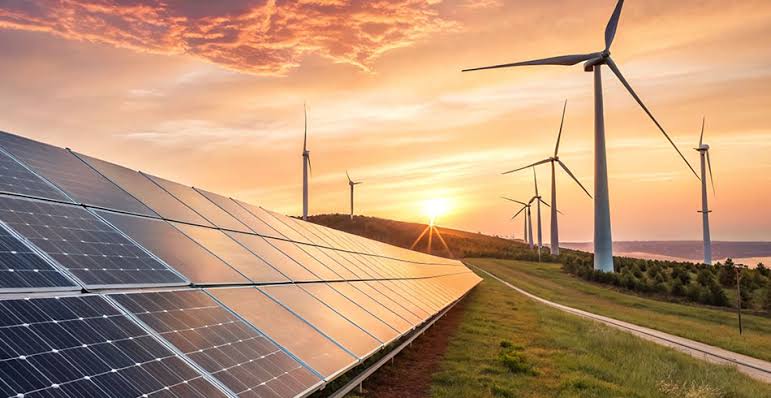
Baru Marnda energy project has reached a major planning milestone after developers lodged the final application for the 1.5GW hybrid facility. The proposed development combines large-scale wind, solar and battery storage infrastructure in Western Australia’s Pilbara region. It would become one of the country’s largest Indigenous-led renewable energy developments. The project sits about 55 kilometers south of Karratha on Yindjibarndi Country.
The development carries an estimated A$5 billion investment value, according to Western Australian government comments. That equates to about $3.48 billion using the October 7, 2026 exchange rate.
The latest Development Application brings together planning, environmental, cultural heritage, water, transport and land considerations. It also covers bushfire, noise, visual impact, aviation and land tenure requirements.
Baru Marnda energy project enters final approval stage
Baru Marnda proposes up to 1,000MW of wind generation from as many as 143 turbines. Additionally, the development includes up to 500MW of solar generation across four potential arrays. A battery energy storage system will also support the renewable generation.
The project occupies a development envelope exceeding 42,000 hectares. However, proposed native vegetation disturbance covers up to 4,986.4 hectares. The design also includes internal roads, transmission corridors, substations, operations facilities and supporting infrastructure.
Furthermore, the project could connect to the North West Interconnected System serving Pilbara mining and industrial operations. The proposed Chichester Range Corridor would strengthen this connection through common-use transmission infrastructure.
Western Australia has identified the corridor among four priority transmission routes under its Pilbara Energy Transition Plan. YEC has received Priority Project status for the approximately 70-kilometre corridor.
The Baru Marnda development also reflects Western Australia’s expanding hybrid-energy construction pipeline. Another major project, the Warradarge Hybrid Energy Project, plans 500MW of solar generation alongside battery energy storage infrastructure, highlighting the scale of investment reshaping the state’s renewable energy sector.
Baru Marnda energy project targets 2028 construction
The project previously appeared as separate Baru and Marnda developments during earlier planning work. Those proposals involved different wind capacities and optional solar and battery infrastructure.
However, the federal environmental referral combined them into the larger Baru-Marnda development. The Australian Government subsequently classified the project as a controlled action under the Environment Protection and Biodiversity Conservation Act.
The Western Australian Environmental Protection Authority also requested additional information during its assessment process. The latest application therefore represents a significant step toward resolving planning and environmental requirements.
YEC expects to reach a final investment decision in 2027. Construction could then begin in 2028, with staged development continuing through the following years. First power remains targeted for 2031, subject to approvals and investment decisions.
The development also supports a broader renewable energy portfolio across Yindjibarndi Country. YEC plans more than 1.5GW of wind, solar and battery projects through its Chichester Range and Eastern Development Zone hubs.

Project Fact Sheet
Name: Baru Marnda Renewable Energy Project
Location: Approximately 50–55km south of Karratha, Western Australia
Country: Yindjibarndi Ngurra, within the Yindjibarndi Native Title Determination Area
Estimated investment: About A$5 billion, equivalent to approximately $3.48 billion
Total proposed capacity: Up to 1.5GW
Wind capacity: Up to 1,000MW
Wind turbines: Up to 143 turbines
Solar capacity: Up to 500MW
Solar arrays: Four arrays selected from six potential areas
Battery storage: Battery Energy Storage System proposed as part of the hybrid development
Development envelope: Approximately 42,127 hectares
Maximum native vegetation disturbance: Approximately 4,986.4 hectares
Transmission connection: Proposed connection through the Chichester Range Corridor to the Maitland Strategic Industrial Area
Construction target: 2028
Target first power: 2031
Expected operational life: Approximately 50 years
Project status: Development application lodged and environmental assessment progressing
Project Team
Developer: Yindjibarndi Energy Corporation Pty Ltd
Traditional Owner partner: Yindjibarndi Aboriginal Corporation
Development partner: ACEN Corporation
Project proponent: Yindjibarndi Energy Corporation
State environmental regulator: Western Australian Environmental Protection Authority
Federal environmental framework: Australian Government under the EPBC Act
Transmission infrastructure partner: Yindjibarndi Energy Corporation through the proposed Chichester Range Corridor
Key industrial connection: Maitland Strategic Industrial Area
Regional power network: North West Interconnected System

Leave a Reply