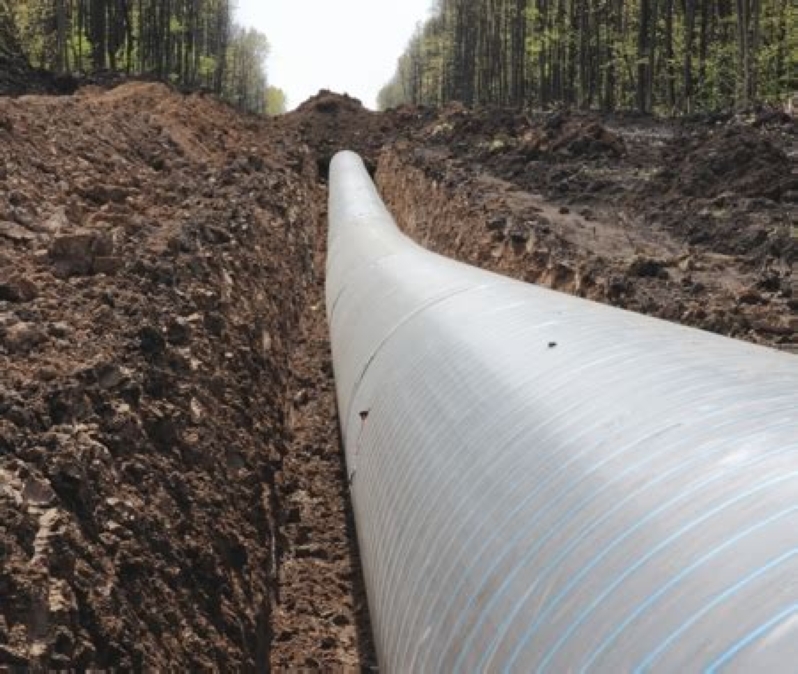
Energy Transfer LP has formally committed to developing the $1.6 billion South Mississippi Pipeline, a major natural gas infrastructure project designed to transport up to 1.2 billion cubic feet of gas per day (Bcf/d) from Louisiana across Mississippi. The proposed 215-mile (346-kilometer) pipeline comes as demand for natural gas continues to increase across the United States. This is mainly from liquefied natural gas (LNG) export facilities and power generation infrastructure supporting the rapidly expanding artificial intelligence (AI) data center industry.
The project, which will be developed by Energy Transfer Interstate Holdings, is expected to strengthen natural gas transportation capacity across the southeastern United States. Energy Transfer plans to own a 51% stake in the pipeline and operate the system, while project customers are expected to hold the remaining 49%.
According to the project details, the South Mississippi Natural Gas Pipeline will start at a proposed receipt point in Richland Parish, Louisiana, and extend to a new delivery point in the George County area of Mississippi. The proposed infrastructure will also comprise 215 miles of either 42-inch or 36-inch-diameter pipeline, alongside associated compression and metering facilities.
Additionally, the pipeline is designed to provide additional firm natural gas transportation capacity. It will also improve access to supplies from multiple production basins across the southeastern United States.
Furthermore, Energy Transfer has secured binding commitments from anchor shippers. The company continues to seek additional customer commitments through a binding open season scheduled to close on November 25, 2026.
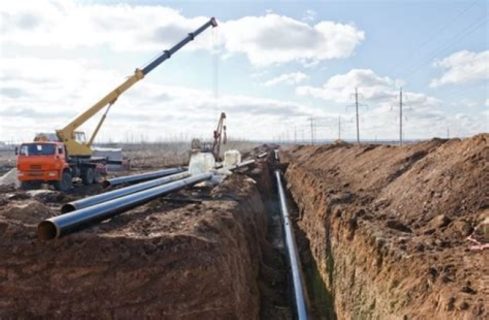
South Mississippi Pipeline Project Targets 2030 Completion
Energy Transfer expects the South Mississippi Natural Gas Pipeline to enter commercial service by March 1, 2030. The company is also expected to seek authorization from the Federal Energy Regulatory Commission (FERC) to construct the proposed facilities.
The pipeline’s development is expected to progress through additional customer commitments, project design and regulatory review before construction can proceed.
Energy Transfer has also indicated that it intends to co-locate most of the proposed expansion with existing infrastructure. This is intended to minimize impacts on landowners and surrounding communities while simplifying the regulatory review process.
Additionally, the final pipeline configuration and capacity will be influenced by the outcome of the open season and the transportation commitments secured from prospective customers.
AI Data Center Expansion Fuels Natural Gas Infrastructure Investment
The South Mississippi Pipeline Project also comes amid a broader expansion of natural gas infrastructure across the United States. This is as pipeline operators respond to increasing demand from electricity generation, industrial consumers and LNG export terminals.
In particular, the rapid development of AI infrastructure has created additional demand for reliable electricity supplies. It has also created demand for chip making facilities across the U.S. with others such as the Samsung semiconductor plant in Taylor, Texas looking toward large scale industrial expansion. Large data centers require substantial and continuous power. This has prompted utilities and independent power developers to consider new natural gas-fired generation capacity alongside renewable energy and other electricity sources.
Energy Transfer is among the infrastructure operators positioning its pipeline network to serve this emerging market. The company also previously disclosed long-term natural gas supply arrangements with Oracle for its US data center operations.
Beyond the South Mississippi gas project, Energy Transfer is advancing other pipeline and capacity expansion investments. This is in a bid to improve connectivity between natural gas production regions and major consumption markets.
Once completed, the South Mississippi Natural Gas Pipeline Project is expected to provide additional transportation capacity for natural gas supplies moving through the Gulf Coast and southeastern US markets. This is expected to support US Southeast’s expanding energy and industrial requirements.

South Mississippi Natural Gas Pipeline Project Fact Sheet
Developer: Energy Transfer Interstate Holdings
Parent company: Energy Transfer LP
Location: Louisiana and Mississippi
Estimated investment: US$1.6 billion
Pipeline length: 215 miles (346 km)
Starting point: Richland Parish, Louisiana
Destination: George County area, Mississippi
Pipeline diameter: 36 or 42 inches
Transportation capacity: Up to 1.2 Bcf/d
Facilities: Gas pipeline, compression and metering facilities
Ownership: Energy Transfer 51%; customers 49%
Open season closing: November 25, 2026
Expected in-service date: March 1, 2030
Regulatory authority: Federal Energy Regulatory Commission (FERC)
Project Team
Energy Transfer LP – Parent company, 51% project owner and pipeline operator.
Energy Transfer Interstate Holdings (ETIH) – Project developer. Also responsible for the open season and proposed pipeline facilities.
Federal Energy Regulatory Commission (FERC)




Leave a Reply