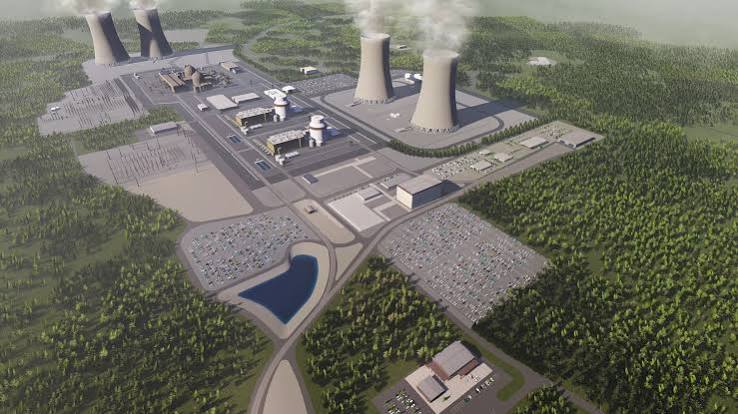
Largest US nuclear plants demonstrate the scale of engineering, construction and infrastructure investment supporting America’s electricity network. The ten facilities collectively provide approximately 29GW of net summer generating capacity. Their development involved complex reactor installations, extensive civil works and specialized cooling infrastructure.
Furthermore, their construction histories reveal how nuclear engineering has evolved over several decades. Although most facilities entered commercial operation before 1990, they remain important electricity infrastructure. Their continued operation also requires extensive maintenance, equipment replacement and modernization.
Consequently, these facilities offer an important perspective on the construction demands associated with large-scale nuclear power generation. Their combined capacity represents nearly one-third of America’s total nuclear generating capacity.
US nuclear plants demonstrate large-scale construction
The Alvin W. Vogtle Electric Generating Plant in Georgia leads the ranking with 4,530MW. Its four reactors make it the country’s only operating four-reactor nuclear station. The first two units entered commercial operation in 1987 and 1989.
However, subsequent construction of Units 3 and 4 transformed the facility’s generating capacity. Unit 3 entered commercial operation in 2023, followed by Unit 4 in April 2024.
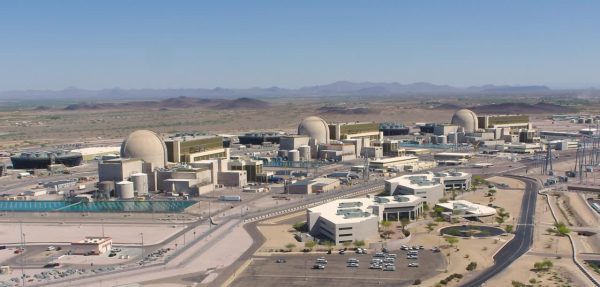
Palo Verde Generating Station in Arizona ranks second with 3,937MW. Its three reactors entered commercial operation between 1986 and 1988. Notably, the facility demonstrates how engineering design can overcome geographical limitations.
It uses treated municipal wastewater for cooling, recycling more than 20 billion gallons annually. This arrangement highlights the importance of integrating water infrastructure into nuclear project planning.
Browns Ferry Nuclear Plant in Alabama follows with 3,662MW. The Tennessee Valley Authority began generating electricity there in 1974. Its three boiling-water reactors produce steam directly inside their reactor vessels.
Meanwhile, Oconee Nuclear Station in South Carolina provides 2,600MW through three pressurised-water reactors. Its location beside Lake Keowee supports cooling operations and connects nuclear generation with nearby hydroelectric infrastructure.
The South Texas Project contributes 2,580MW through two reactors. Its approximately 7,000-acre cooling reservoir demonstrates the substantial land requirements surrounding nuclear developments.
US nuclear plants highlight evolving engineering requirements
Pennsylvania hosts two facilities within the ranking. Peach Bottom Atomic Power Station provides 2,549MW through two boiling-water reactors. Its original site also accommodated a high-temperature, gas-cooled demonstration reactor. Susquehanna Steam Electric Station follows with 2,494MW. Its two reactors entered commercial operation during the 1980s.
However, the facility now has additional importance because of growing electricity demand from digital infrastructure.
In June 2025, Talen Energy expanded its electricity supply agreement with Amazon Web Services. This development demonstrates how established nuclear infrastructure can support expanding data centre operations.
Comanche Peak Nuclear Power Plant in Texas contributes 2,400MW. Its two pressurised-water reactors entered commercial operation in 1990 and 1993.
The facility uses a neighboring reservoir for cooling. Together with the South Texas Project, it gives Texas nearly 5,000MW of nuclear generating capacity.
Illinois’ Braidwood Generating Station provides 2,332MW. Both reactors entered commercial operation in 1988. Its cooling lake also supports recreational activities and wildlife habitats.
McGuire Nuclear Station in North Carolina completes the ranking with 2,316MW. Its two reactors entered commercial operation in 1981 and 1984. The facility uses Lake Norman for cooling, demonstrating the relationship between power generation and regional water infrastructure.
Maintaining US nuclear plants requires long-term construction investment
The construction demands surrounding these facilities extend beyond their original development. Nuclear operators must maintain reactor buildings, cooling systems, turbines and electrical substations throughout their operating lives.
Furthermore, ageing facilities require structural inspections, equipment replacements and modernized safety systems.
These activities create sustained demand for specialized engineering contractors and nuclear construction expertise. They also require careful coordination because maintenance outages directly affect generating availability.
Meanwhile, the expansion of electricity-intensive industries creates additional pressure on existing generating infrastructure. Data centres, manufacturing facilities and digital technologies increasingly require dependable electricity supplies.
Therefore, established nuclear stations offer opportunities to strengthen electricity networks without developing entirely new generating sites.
However, maintaining these facilities requires substantial technical expertise and long-term capital investment. Their construction histories also demonstrate the importance of effective project planning, equipment procurement and engineering management.
Ultimately, America’s ten largest nuclear plants illustrate the enduring importance of construction investment in energy infrastructure.
Their combined generating capacity demonstrates how large-scale engineering projects continue supporting electricity requirements decades after their original development.
The next generation of American nuclear infrastructure is also taking shape in New York, where developers are preparing for another major construction programme. The Upstate New York nuclear project, which has qualified 10 potential developers for a 1GW construction plan, highlights the growing pipeline of nuclear infrastructure development. However, the proposed project remains at the developer qualification and site-selection stages, with technology and construction partnerships yet to be determined.

Leave a Reply