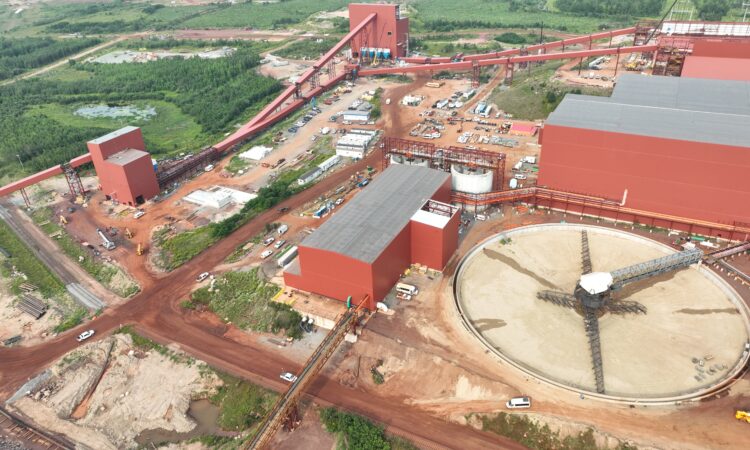
The Iowa steel mill project faces scrutiny over execution risks as Mesabi Metallics prepares to expand its Minnesota iron ore operations into a major steelmaking complex. The proposed facility in Lee County, southeastern Iowa, promises substantial manufacturing capacity, thousands of jobs, and a domestic steel supply chain.
However, the company’s troubled history developing its Minnesota mine raises questions about delivery, financing, and construction timelines. President Donald Trump announced the Iowa investment on September 28, 2026, presenting it as a major boost for American manufacturing. The proposal links a planned steel complex in Iowa with an iron ore mine and pellet plant in Nashwauk, Minnesota.
The distinction between the two developments matters. Mesabi Metallics has spent billions of dollars advancing its Minnesota operation, while the Iowa steel complex remains a new proposal. The company plans to invest $15 billion in Iowa and approximately $3 billion in Minnesota, bringing the combined investment to $18 billion.
Consequently, the project’s ambitious production targets depend on successful construction, commissioning, and reliable ore deliveries between the two states.
Iowa Steel Mill Depends on Minnesota Mine Delivery
The Iowa complex would process iron ore from Mesabi Metallics’ Nashwauk mine, establishing an integrated production chain from raw materials to finished steel. The company belongs to India’s Essar Group and operates from Minnesota. Its new mine represents the first new iron ore mine in Minnesota in approximately five decades.
However, the Minnesota development carries a complicated history. The earlier Essar Steel Minnesota project filed for Chapter 11 bankruptcy in 2016 after struggling to secure sufficient financing to complete construction. The project subsequently continued under Mesabi Metallics, which has pursued completion of the mine and pelletizing facilities. This history makes execution an important consideration when assessing the much larger Iowa proposal.
The Minnesota facility is approaching operational readiness, but the Iowa mill requires a separate construction program. Mesabi Metallics has not publicly identified the Iowa project’s construction contractors in the available reporting. Therefore, its construction schedule, procurement arrangements, and delivery responsibilities remain important details to establish.
Iowa Steel Mill Project Targets 2030 Production
Mesabi Metallics expects the Iowa steel complex to begin production in 2030, with initial annual capacity reaching approximately 7.5 million tons. The company plans to expand production to around 10 million tons annually through subsequent development phases. These targets would position the facility among the largest steelmaking operations in the United States.
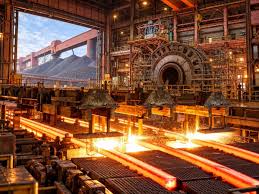
The proposed complex would use direct-reduced iron and electric arc furnace technologies. These systems would combine processed iron ore with scrap steel to manufacture new steel products. Moreover, the company expects this approach to reduce energy consumption and emissions compared with conventional blast-furnace steelmaking.
The facility could supply steel to automotive manufacturing, shipbuilding, national defence, energy infrastructure, and construction markets. Its domestic production model also aims to reduce dependence on imported steel and strengthen supply chains for strategic industries. Nevertheless, actual market demand and competitive production costs will influence the project’s long-term commercial performance.
The company anticipates more than 6,000 construction jobs during development and at least 1,750 permanent positions after commissioning. It also projects approximately $95 billion in economic output during construction and the first decade of operations. These figures represent company and government projections rather than realized economic benefits.
The Iowa steel mill is part of a wider wave of major US industrial investments facing the challenge of turning ambitious announcements into operational facilities. Ford’s $5.6 billion BlueOval City construction project in Tennessee illustrates how changing market conditions and production strategies can reshape large manufacturing developments. Although the projects serve different industries, both highlight the importance of construction delivery, investment planning, and long-term manufacturing demand.
Iowa Steel Mill Project Faces Construction and Financing Challenges
The proposed investment arrives amid renewed efforts to expand American manufacturing capacity. However, a presidential announcement does not establish that financing, permits, engineering contracts, and construction packages are complete. Those milestones will determine whether the project advances from its announcement into full-scale construction.
The Minnesota mine’s progress provides a potential foundation for the integrated development. Engineering and construction work at Nashwauk had advanced substantially by May 2026, according to reporting citing company filings. However, the Iowa complex introduces a significantly larger downstream investment and its own delivery requirements.
Furthermore, the project must coordinate ore production, rail transportation, steelmaking equipment, utilities, and supporting infrastructure. Delays at the mine could disrupt the proposed mill’s feedstock supply. Meanwhile, the Iowa development must secure the necessary approvals and establish its construction schedule before its 2030 production target becomes achievable.
For regional construction markets, the proposal offers potential opportunities for civil engineering contractors, industrial equipment suppliers, railway operators, electrical specialists, and steelmaking technology providers. Yet, until Mesabi Metallics confirms key delivery arrangements, contractors and suppliers should distinguish announced investment from committed construction work.
The central test is therefore execution. If the company completes both developments, the integrated operation could create a major domestic steel supply chain. If financing, permitting, or construction encounters significant delays, the Iowa mill’s production timetable could slip. Its Minnesota history makes delivery milestones particularly important to monitor as the project develops.
Project Fact Sheet
Name: Mesabi Metallics Iowa Steel Complex.
Type: Proposed integrated steel manufacturing and industrial construction project.
Location: Lee County, southeastern Iowa, United States
Value: $15 billion
Combined investment: Approximately $18 billion, including the Minnesota mine and pelletizing facilities.
Project developer: Mesabi Metallics.
Parent company: Essar Group, an India-based industrial conglomerate.
Project status: Announced and planned; the Iowa complex remains separate from the ongoing Minnesota development.
Planned construction employment: More than 6,000 jobs, according to company projections.
Planned permanent employment: At least 1,750 jobs after commissioning.
Target production start: 2030.
Initial annual production capacity: Approximately 7.5 million tons of steel.
Potential expanded capacity: Approximately 10 million tons annually.
Proposed technology: Direct-reduced iron processing and electric arc furnace steelmaking.
Raw material supply: Iron ore pellets from Mesabi Metallics’ Nashwauk mine in Minnesota.
Related Minnesota investment: Approximately $3 billion for the iron ore mine and pelletizing facilities.
Projected economic output: Approximately $95 billion during construction and the first decade of operations, according to company and government estimates.
Main construction requirements: Industrial buildings, steelmaking equipment, material-handling systems, utilities, rail logistics, and supporting infrastructure.
Main delivery risks: Financing, permitting, construction execution, equipment procurement, and dependable iron ore supply.
Primary markets: Automotive manufacturing, shipbuilding, defence, energy infrastructure, construction, and other industrial applications.
Project Team
Developer: Mesabi Metallics
Parent company: Essar Group
Minnesota mine operator: Mesabi Metallics
Government stakeholder: White House
State government stakeholder: Iowa Governor Kim Reynolds
Local economic development stakeholder: Lee County Economic Development Group


Leave a Reply