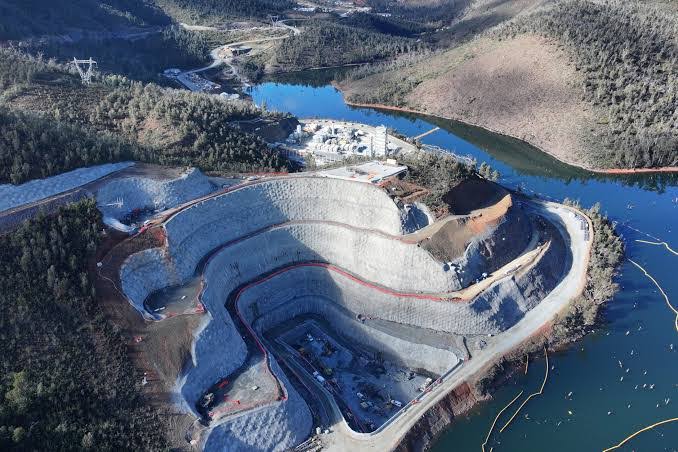
Snowy 2.0 construction has emerged as one of the world’s most complex infrastructure undertakings, following fresh revelations about its engineering challenges and underestimated delivery requirements. The 2,200MW pumped hydro expansion in Australia’s Snowy Mountains involves extensive underground excavation, complex tunneling and construction of a massive power station.
Snowy Hydro Chief Executive Dennis Barnes says the project approaches the complexity of nuclear construction. He also admits the original project planning failed to recognize its technical demands adequately.
The project now carries an estimated target cost of A$22.2 billion, approximately $15 billion, with a potential cost scenario reaching A$25 billion. Furthermore, Snowy Hydro expects full commissioning in late 2029, following successive construction delays and budget revisions. The latest reassessment highlights the financial and engineering consequences of underestimating complex infrastructure delivery.
Speaking on Renew Economy’s Energy Insiders podcast, Barnes acknowledged three significant mistakes during the project’s early development. These included failing to assess its complexity, adopting an unsuitable contracting model and maintaining a relatively small internal project team.
He cited the Crawford-Ishikura complexity assessment model, which scores projects up to 28. Snowy 2.0 scored approximately 25, placing it close to the upper complexity threshold.
Barnes explained that recognizing this complexity earlier would have influenced procurement, contracting arrangements, staffing and initial cost estimates.
Snowy 2.0 construction project faces engineering and delivery challenges
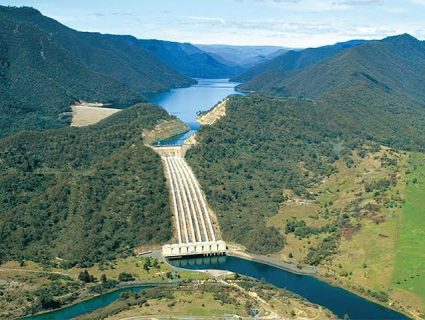
The engineering challenges extend beyond conventional hydroelectric construction. Snowy 2.0 requires approximately 27 kilometers of underground waterways connecting the existing Tantangara and Talbingo reservoirs.
The development also includes an underground powerhouse at Lobs Hole, approximately 800 meters beneath the surface. Six reversible turbines will generate electricity during peak demand and pump water uphill when renewable electricity becomes abundant.
Consequently, the construction program requires precise coordination of tunneling, excavation, underground structural works and specialist mechanical installations. Difficult geological conditions have also complicated tunnel boring operations, contributing to delays and contractor productivity challenges.
Barnes says the project has since strengthened its internal management structure. Snowy Hydro increased its owner’s project team from several dozen personnel in 2023 to approximately 200 specialists.
Furthermore, the company established a board advisory committee with experienced major-project professionals. It also supplemented the principal contractor’s workforce with specialists experienced in complex infrastructure delivery.
Barnes acknowledged that the contractor’s overall estimating performance had disappointed. However, he distinguished that performance from the progress achieved by construction teams on site.
The company has also completed approximately 96% of construction-issued design documentation. This improvement gives contractors clearer information about the structures and installations they must deliver.
Snowy 2.0 construction project advances towards 2029 completion
Despite earlier setbacks, Snowy Hydro reports progress across several critical construction activities. Machine tunneling has reached approximately 65%, while drill-and-blast tunneling stands at 95%.
Additionally, excavation of the underground power station complex has reached approximately 90%. Construction teams have started permanent concrete works and progressed towards installing major powerhouse components.
The six reversible turbines have arrived in Australia. Meanwhile, crews are preparing for the installation of inlet valves, spiral casings and large electrical transformers.
Two tunnel boring machines have also featured prominently in the construction program. Lady Eileen Hudson completed its second tunnel assignment, while Florence continues its 15-kilometre tunneling operation.
Barnes says the project has passed several major geological risks. However, he acknowledges that remaining underground conditions still require careful management.
He also identified construction milestones as the most important short-term indicators. These include concrete placements, steel installations and deployment of specialist welding teams.
According to Barnes, labor represents approximately 80% of the project’s remaining expenditure. Therefore, maintaining construction productivity and meeting scheduled milestones will remain essential.
Snowy Hydro now targets full commissioning in late 2029.
The company expects the underground power station to provide long-duration storage supporting Australia’s renewable electricity network.
The latest cost reassessment follows an earlier 2023 project reset, which raised the budget to A$12 billion. The Australian National Audit Office also identified governance weaknesses and shortcomings in managing cost and delivery risks.
Its June 2026 audit reported expenditure of A$11.1 billion by March 31, 2026. It also highlighted the financial exposure facing the Australian Government through project funding arrangements.
The revised target therefore places greater emphasis on contractor accountability, construction oversight and cost control. Snowy Hydro says the project has strengthened its delivery controls and independent technical oversight.
Nevertheless, Barnes cautions that substantial construction expenditure remains ahead. The remaining work will require consistent productivity, effective risk management and successful completion of critical engineering milestones.
The development’s eventual performance will provide important lessons for Australia’s future mega-projects. In particular, its experience highlights the importance of assessing engineering complexity before establishing construction contracts and budgets.
Snowy Hydro is also expanding its storage portfolio through shorter-duration battery projects. The company signed a 15-year virtual tolling agreement covering 105MW of the 600MWh Golden Plains battery storage project in Victoria. TagEnergy is developing the 150MW/600MWh facility alongside its Golden Plains Wind Farm. The battery will complement Snowy Hydro’s long-duration pumped hydro assets while supporting renewable energy integration and electricity supply stability.
Project Fact Sheet
Name: Snowy 2.0.
Type: Pumped-storage hydroelectric power station and renewable energy storage development.
Location: Snowy Mountains, New South Wales, Australia.
Owner: Snowy Hydro Limited.
Installed generation capacity: Approximately 2,200MW.
Estimated target cost: A$22.2 billion (approximately $15 billion).
Potential cost scenario: A$25 billion (approximately $16.9 billion).
Original estimated budget: A$2 billion.
Previous revised budget: A$12 billion in 2023.
Expected commissioning: Late 2029.
Underground infrastructure: Approximately 27 kilometers of waterway tunnels.
Powerhouse location: Approximately 800 meters underground at Lobs Hole.
Energy storage capacity: Approximately 350,000MWh.
Generation equipment: Six reversible pump-turbine units.
Reservoirs: Existing Tantangara and Talbingo reservoirs.
Key construction activities: Tunnel excavation, underground powerhouse construction, concrete works, mechanical installation and electrical infrastructure.
Construction progress: 65% machine tunnelling, 95% drill-and-blast tunnelling and 90% powerhouse excavation, according to October 2026 reporting.
Project Team
Owner: Snowy Hydro Limited.
Chief Executive Officer: Dennis Barnes, Snowy Hydro.
Chief Commercial Officer: Gordon Wymer, Snowy Hydro.
Principal Contractor: Future Generation Joint Venture (FGJV).
Joint Venture Partners:
Project Delivery: Future Generation Joint Venture
Project Oversight: Snowy Hydro’s expanded owner’s project team and board advisory committee.

Leave a Reply