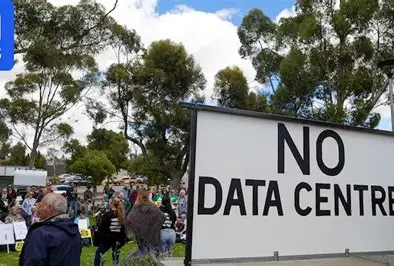
The Quantum DC Tungkillo data centre project has been paused. Consequently, the developer will not submit a development application for the 1,200MW Compute and Energy Hub in South Australia in 2026. Instead, it plans to extend community engagement and commission an independent review of specialist studies. The decision follows strong opposition from local residents. Their concerns include potential impacts on water resources, electricity infrastructure, farmland and the surrounding environment.The pause comes amid continued investment in Australia’s data centre sector, including Microsoft’s planned $25 billion expansion of AI and cybersecurity infrastructure.
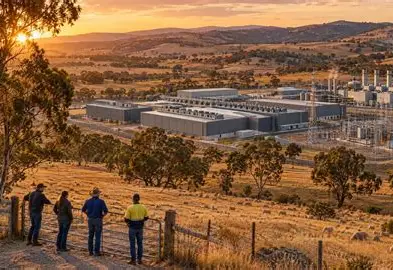
The proposed hyperscale data centre would be developed at 312 Collins Road in Tungkillo, approximately 55 kilometres east of Adelaide. It is intended to support growing demand for cloud computing, digital services and artificial intelligence infrastructure. However, the project has not received development approval, and no formal development application has been lodged.
Project Scope and Technical Infrastructure
The Tungkillo Compute and Energy Hub is planned as a large-scale data centre campus with a capacity of approximately 1,200MW. Quantum DC intends to develop the facility in three stages. Initially, the first stage was expected to begin operations in 2028. Full development was then targeted for completion by 2031. However, these timelines may change as the developer reviews the project and undertakes further planning work.
The proposed site covers approximately 220 hectares. The development concept includes a hyperscale data centre campus and supporting energy infrastructure. This would include on-site gas-fired generation to support electricity supply when wind and solar output is low. It would also include two new substations and electrical infrastructure connecting to an existing 275kV transmission line operated by ElectraNet.
In addition, the developer has proposed a cooling system using closed-loop, direct-to-chip liquid cooling and dry heat rejection. The design is intended to reduce water demand compared with conventional cooling approaches. Quantum DC has also indicated that it intends to secure long-term wind and solar power supply from South Australian renewable energy projects.
The energy infrastructure is a key part of the proposal. Data centres require reliable electricity to operate continuously, particularly those supporting artificial intelligence workloads. Therefore, the project’s connection to existing transmission infrastructure and its proposed on-site generation would be central to its operation.
Community Opposition and Planning Pause
Despite its proposed digital infrastructure capacity, the development has faced growing opposition from local residents. Concerns include water consumption, electricity demand, noise, traffic, lighting, bushfire risk and the loss of agricultural land. Residents have also raised concerns about the project’s proximity to the River Murray International Dark Sky Reserve.
Quantum DC acknowledged that its initial community engagement approach had not adequately addressed local concerns. Chief Executive Alby Tomassi said the company had underestimated the level of community opposition. Furthermore, the developer has received feedback from more than 350 people and a consolidated list of 432 questions from residents.
Consequently, Quantum DC has paused its planning approvals programme. It also plans to establish a panel of independent experts to review the specialist studies prepared for the project. The findings are expected to be made public. The developer has said that the engagement process will be extended before it considers proceeding with a formal application.
The pause comes amid wider scrutiny of data centre development across Australia. Other projects have also faced delays or cancellations following concerns about power availability and community impacts. For example, Stockland abandoned its proposed Sydney data centre, while NextDC has faced delays to its Melbourne M3 expansion.
Furthermore, a New South Wales parliamentary inquiry has raised concerns about the cumulative effects of data centres on electricity networks, water supplies and local infrastructure. The findings have added to calls for stronger planning frameworks as Australia seeks to expand its digital economy.
The Tungkillo proposal therefore illustrates the importance of early community consultation and infrastructure planning in large data centre developments. Although demand for digital infrastructure continues to grow, projects must also demonstrate how they will manage their environmental and social impacts.
Quantum DC Tungkillo Data Centre: Project Fact Sheet
Project: Tungkillo Compute and Energy Hub
Location: 312 Collins Road, Tungkillo, South Australia, Australia
Project type: Hyperscale data centre and energy infrastructure
Proposed capacity: Approximately 1,200MW
Site area: Approximately 220 hectares
Developer: Quantum DC Pty Ltd
Key infrastructure: Data centre campus, gas-fired generation, two substations and grid connection infrastructure
Cooling system: Closed-loop direct-to-chip liquid cooling and dry heat rejection
Grid connection: Existing 275kV ElectraNet transmission line
Development approach: Three stages
Initial operational target: 2028
Full development target: 2031
Current status: Planning approvals programme paused; no development application lodged
Main purpose: Support cloud computing, artificial intelligence and digital services
Quantum DC Tungkillo Data Centre Project Team
Developer: Quantum DC Pty Ltd
Project executive: Alby Tomassi, Chief Executive Officer, Quantum DC
Transmission network operator: ElectraNet
Community engagement consultant: URPS
Planning and regulatory authorities: Relevant South Australian government planning and development authorities


Leave a Reply