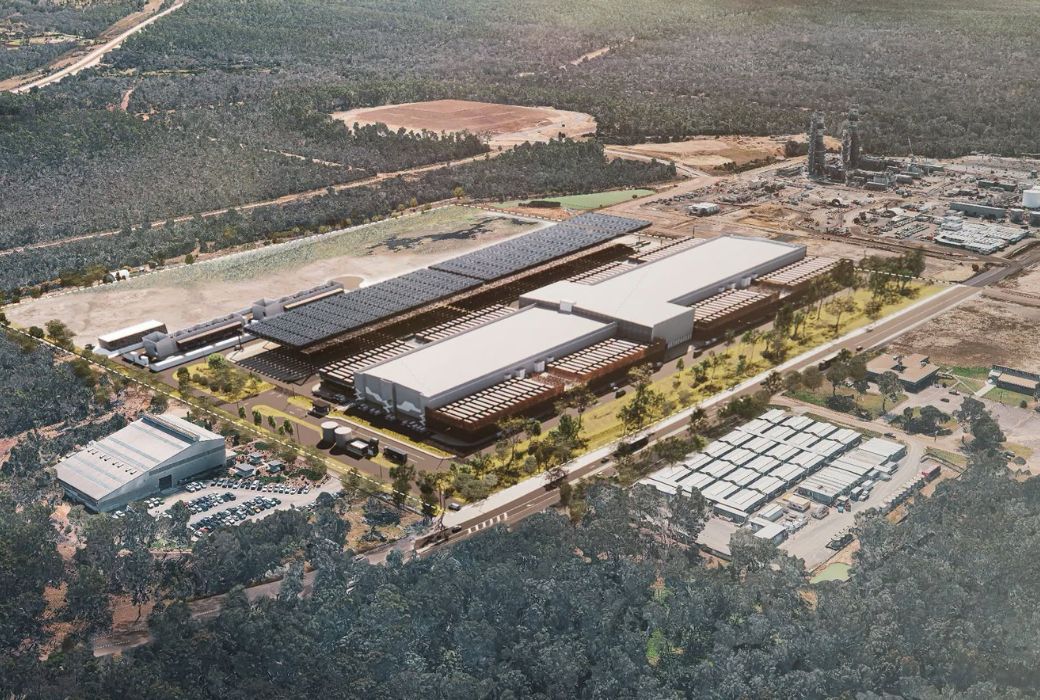
Kurri Kurri data centre development plans are facing increased regulatory and community scrutiny as AirTrunk advances its proposed A$3.7 billion (approximately $2.4 billion) digital infrastructure investment in New South Wales. The project, planned for the former Hydro Aluminium smelter site at Loxford, entered public exhibition on October 14, 2026.
However, fresh recommendations from a New South Wales parliamentary inquiry could influence future data centre planning requirements. Meanwhile, AirTrunk has announced additional community investment commitments ahead of the November 11 public consultation deadline.
The proposed facility would establish a major computing infrastructure hub in the Hunter region. Nevertheless, the development has attracted questions about electricity consumption, environmental impacts and the distribution of economic benefits.
Kurri Kurri Data Centre Faces New Planning Requirements
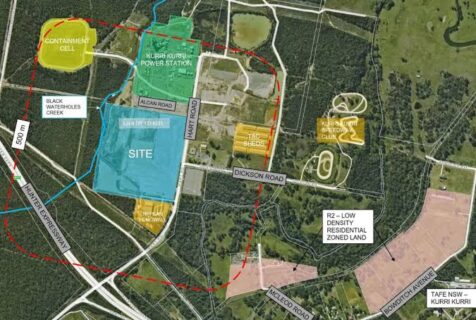
The proposed development occupies an industrial site along Hart Road in Loxford, near Kurri Kurri. AirTrunk plans to construct a two-storey facility covering approximately 44,220 square metres.
The development carries a proposed total power consumption of 550.5MW. This figure represents electricity demand, rather than the facility’s IT capacity.
AirTrunk submitted its environmental impact statement in September 2026. The New South Wales Department of Planning, Housing and Infrastructure commenced public exhibition on October 14.
The exhibition period runs until November 11, 2026. The application carries reference number SSD-128819490.
Importantly, the project has not received final planning approval. The planning authority must assess submissions before determining the development application.
The development has also attracted scrutiny following a parliamentary inquiry into data centre infrastructure. On November 5, the New South Wales Legislative Council’s Public Accountability and Works Committee tabled its report.
The committee issued 26 recommendations covering electricity, water, environmental impacts and community consultation. It also called for stronger assessment of cumulative impacts from multiple data centres.
Additionally, the committee recommended a comprehensive state data centre and artificial intelligence strategy. However, members rejected calls for a moratorium on new approvals.
The recommendations could influence future planning requirements across New South Wales. The state government must now consider its response.
Kurri Kurri Data Centre Promotes Community Investment
AirTrunk has outlined additional community commitments as it seeks support for the proposed development. In a November 9 statement, the company’s Associate Vice President of Social Impact and Community, Rob Bartrop, detailed the anticipated benefits.
The company expects the facility to generate approximately 350 permanent operational jobs. It also anticipates several thousand employment opportunities during construction.
Furthermore, AirTrunk has proposed a A$37 million contribution towards local infrastructure. The package includes a multipurpose community facility and two playing fields at Loxford.
The company has also proposed a community energy programme covering approximately 5,000 households. Eligible households could receive annual electricity bill credits of up to A$200.
Additionally, AirTrunk intends to support vocational training through Hunter Trade College and TAFE. The partnerships would provide scholarships, placements and employment pathways.
The company also outlined support for local sporting organisations and the Cessnock District Rescue Squad. These commitments remain linked to the proposed development and its approval.
However, the community benefits have not eliminated opposition. Residents Against Data Centres in Kurri Kurri and Loxford (RADIKKAL) questioned the conditional nature of the proposed benefits.
The group argues that the infrastructure contributions and household rebates depend on government approval. Meanwhile, Cessnock City Council has unanimously objected to the development.
The council’s position does not determine the application. The New South Wales Government retains responsibility for the final planning decision.
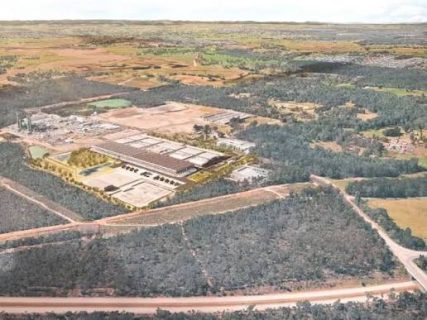
Kurri Kurri Data Center Project Enters Public Exhibition
The project in New South Wales has entered public exhibition under a A$3.7 billion proposal targeting 550.5MW of computing capacity. AirTrunk plans to develop the facility on the former Hydro Aluminium smelter site near Kurri Kurri, with the application open for public submissions until November 11, 2026.
The project remains subject to planning assessment, while reports have linked Anthropic to potential use of the proposed facility. The development comes amid wider investment in Australian digital infrastructure, including AirTrunk’s Sydney SYD3 data centre expansion backed by a $2.98 billion green loan.
Kurri Kurri data center is emerging as a major digital construction project in New South Wales, with a potential $4 billion-plus investment. The proposed facility could become a strategic Australian base for Anthropic’s Claude artificial intelligence operations. AirTrunk plans the development on the former Kurri Kurri aluminium smelter site at Loxford.
The project would combine large-scale computing infrastructure with renewable energy access and regional employment opportunities. Anthropic is reportedly in advanced discussions to anchor the facility as it expands computing capacity across Australia.
The reported investment exceeds A$4 billion, equivalent to about $2.8 billion. The figure covers the proposed large-scale data center development rather than Anthropic’s wider infrastructure commitments.
Kurri Kurri data center takes shape on former industrial land
The proposed facility would occupy part of the former aluminium smelter site along Hart Road, Loxford. AirTrunk plans a two-storey building measuring about 44,220 square meters.
The building would stand approximately 16.8 meters tall and sit within an established industrial area. It would also remain more than 500 meters from the nearest residential property.
Importantly, the site already has access to high-voltage electricity infrastructure. The project would connect directly to existing infrastructure beside the property.
The location also benefits from ongoing Hunter-Central Coast Renewable Energy Zone infrastructure upgrades. Ausgrid is upgrading about 85 kilometers of network lines and adding new energy infrastructure.
That program will increase renewable electricity transfer capacity across the region. The network project targets an additional one gigawatt of transfer capacity by 2028.
Furthermore, AirTrunk says the data center will use air-based cooling. Therefore, the facility would not draw community water for cooling operations.
Australia’s data centre construction boom is also driving major investment in renewable-powered digital infrastructure. The $10 billion Bundey Data Centre project in South Australia demonstrates how hyperscale developments are increasingly aligning with renewable energy and grid expansion.
Kurri Kurri data center targets jobs and regional investment
The Kurri Kurri data center could generate several thousand construction jobs during delivery. AirTrunk expects more than 350 ongoing local jobs once the facility becomes operational.
Those positions would cover engineering, electrical and mechanical services, maintenance, security and facility operations. Local suppliers and training providers could also support apprenticeships and employment pathways.
Meanwhile, AirTrunk has proposed more than A$37 million for local infrastructure initiatives. More than A$12 million would support the proposed Loxford District Sporting Facility and Multipurpose Community Facility.
The proposal also includes a community battery program. Eligible households could receive an annual A$200 deduction from their electricity bills.
However, the development still requires planning approval. AirTrunk must progress through the NSW planning process before construction can begin.
The current pathway includes requesting Secretary’s Environmental Assessment Requirements, preparing an Environmental Impact Statement and exhibiting the development application.
The project must also respond to submissions before authorities assess and determine the application.
The potential Anthropic connection adds a strategic dimension to the development. Anthropic has already expanded its Australian presence through a Sydney office and government partnership.
The company signed a memorandum of understanding with the Australian Government covering AI safety, research and infrastructure planning. Australia also ranks among the leading markets for Claude usage.
If approvals proceed, the Kurri Kurri facility could support Anthropic’s wider Asia-Pacific computing network. Reports indicate Claude could begin operating from the site around 2028.
Kurri Kurri Data Centre Developments Reflect Wider Industry Challenges
The planning debate reflects increasing scrutiny of major data centre developments across Australia. Communities increasingly demand stronger guarantees on energy consumption, water management and environmental protection.
A similar dispute recently affected Sydney’s proposed Cooks River data centre development. Stockland and John Boyd Properties withdrew the facility from their wider logistics redevelopment following community opposition.
The decision leaves the partners pursuing the logistics precinct without the proposed data centre. The contrasting outcomes highlight the importance of community engagement in Australia’s expanding digital infrastructure market.
For Kurri Kurri, the immediate priority remains completing the statutory planning process. The November 11 exhibition deadline represents an important milestone before the assessment progresses.
AirTrunk must address the issues raised through public submissions and regulatory assessment. The project will require formal approval before developers can proceed with the proposed data centre construction.
Project Fact Sheet
Name: Kurri Kurri Data Center.
Location: Hart Road, Loxford, Kurri Kurri, New South Wales, Australia.
Type: Large-scale hyperscale data center.
Proposed capacity: Approximately 540MW.
Estimated investment: More than A$4 billion, equivalent to about $2.8 billion.
Building size: Approximately 44,220 square meters.
Building configuration: Two-storey data center.
Site: Former Kurri Kurri aluminium smelter land.
Building height: Approximately 16.8 meters.
Residential buffer: More than 500 meters from the nearest home.
Cooling system: Air-based cooling.
Water use: No community water for cooling.
Construction employment: Several thousand jobs expected.
Operational employment: More than 350 ongoing local jobs.
Community infrastructure: More than A$37 million proposed.
Community facilities allocation: More than A$12 million proposed.
Energy benefit: A$200 annual electricity deduction for eligible households.
Power connection: Direct connection to existing high-voltage infrastructure.
Planning status: Environmental assessment and development approval process.
Expected operational timeframe: Around 2028, subject to approvals.
Prospective AI customer: Anthropic’s Claude.
Project Team
Developer – AirTrunk: Proposing, developing and operating the Kurri Kurri data center.
Prospective anchor tenant – Anthropic: Reportedly in advanced discussions to anchor the facility for Claude AI operations.
Owner – Blackstone-led consortium: AirTrunk operates under ownership by a consortium led by Blackstone.
Network operator – Ausgrid: Delivering Hunter-Central Coast Renewable Energy Zone network upgrades supporting regional electricity capacity.
Planning authority – NSW Government: Oversees the state planning and environmental assessment process.
Local government – Cessnock City Council: Key local authority associated with the Kurri Kurri development and proposed community infrastructure package.


Leave a Reply