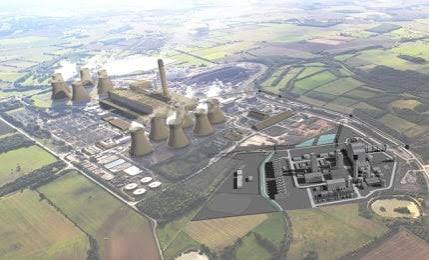
Rose carbon capture project has received Texas approval, allowing ExxonMobil to advance its $5 billion carbon storage development. The Railroad Commission of Texas approved the company’s permit on September 15, 2026. The 2-1 decision allows ExxonMobil to store carbon dioxide underground in Jefferson County. The approval clears a major regulatory hurdle for the planned Gulf Coast carbon management network.
The project forms part of ExxonMobil’s broader plan to develop approximately 900 miles of carbon dioxide pipelines. The network would connect industrial customers with deep geological storage sites across the Gulf Coast.
Rose carbon capture project moves toward construction
ExxonMobil plans to inject about 53 million tonnes of customer-generated carbon dioxide into three underground wells. The wells sit in Jefferson County, approximately 90 miles east of Houston.
The company has already drilled the three wells for the proposed storage operation. Texas approval now allows ExxonMobil to progress with the permitted underground injection activity.
The project will store carbon dioxide within deep porous rock formations. ExxonMobil describes the Rose development as part of its Southeast Texas carbon management infrastructure.
The company expects captured emissions to reach the storage site through connected pipeline infrastructure. The wider system would ultimately connect multiple industrial facilities across the Gulf Coast.
Meanwhile, federal regulators have already approved three Class VI permits for the development. The U.S. Environmental Protection Agency issued those permits in October 2025.
The federal permits allow ExxonMobil to convert three existing test wells into carbon dioxide storage injection wells. The permits cover long-term underground storage under the Safe Drinking Water Act.
Rose carbon capture project expands ExxonMobil’s Gulf Coast plans
ExxonMobil’s broader strategy involves transporting carbon dioxide from industrial customers across the Gulf Coast. The company plans to use pipelines to move emissions toward permanent underground storage locations.
The planned network could reach approximately 900 miles when fully developed. ExxonMobil describes the system as a major carbon management infrastructure opportunity for the region.
ExxonMobil’s senior vice-president for carbon capture and storage, Dominic Genetti, described the approval as a major milestone. He said the wider industry could generate tens of billions of dollars in investment.
However, the approval followed significant regulatory and public scrutiny. Community groups raised concerns about underground storage safety during the approval process.
Commissioner Wayne Christian opposed the permit and sought to delay the decision. The commission ultimately approved ExxonMobil’s application through its 2-1 vote.
The approval comes as carbon capture investment expands across the United States. Financial Times reported global CCS investment reached $6.6 billion during 2025.
The technology remains commercially challenging despite growing investment and government incentives. Nevertheless, ExxonMobil continues positioning carbon management as a major lower-carbon business opportunity.
The Rose development therefore represents more than an individual storage site. It provides a regulatory foundation for ExxonMobil’s planned Gulf Coast carbon transportation network.
The U.S. energy infrastructure landscape continues to see debate over major pipeline developments, including the Constitution Pipeline revival, which has faced regulatory, environmental and infrastructure considerations.
Project Fact Sheet
Name: Rose Carbon Capture and Storage Project.
Type: Carbon capture, transportation and permanent geological storage infrastructure.
Value: Approximately $5 billion
Developer: ExxonMobil.
Location: Jefferson County, Texas, United States.
Regional setting: Southeast Texas, approximately 90 miles east of Houston.
Storage infrastructure: Three underground carbon dioxide injection wells.
Planned storage volume: Approximately 53 million tones of carbon dioxide.
Pipeline network: ExxonMobil plans approximately 900 miles of Gulf Coast carbon dioxide pipelines.
Storage method: Permanent geological sequestration within deep porous rock formations.
Carbon source: Carbon dioxide captured from industrial customers.
Regulatory approval: Texas Railroad Commission approval granted September 15, 2026.
Vote: The Railroad Commission approved the permit by a 2-1 vote.
Federal permits: EPA issued three Class VI Underground Injection Control permits in October 2025.
Existing wells: The federal permits allow three existing test wells to become carbon dioxide injection wells.
Regulatory framework: The project operates under federal Class VI underground injection requirements.
Construction scope: Injection wells, carbon dioxide transportation infrastructure and associated monitoring systems.
Wider objective: Connect Gulf Coast industrial emitters with permanent underground carbon storage.
Business strategy: ExxonMobil intends to develop carbon management services for industrial customers.
Project status: Texas regulatory approval has cleared a major permitting milestone for the development.
Project Team
Developer: ExxonMobil.
Carbon capture and storage business: ExxonMobil Low Carbon Solutions.
Project entity: ExxonMobil Low Carbon Solutions Onshore Storage LLC.
Pipeline infrastructure: ExxonMobil Pipeline Company.
State regulator: Railroad Commission of Texas.
Federal regulator: U.S. Environmental Protection Agency.
Storage permitting authority: Railroad Commission of Texas for the relevant Texas approval.
Federal permitting authority: U.S. Environmental Protection Agency for the Class VI permits.
Industrial customers: Gulf Coast industrial facilities supplying captured carbon dioxide.
Project executive: Dominic Genetti, ExxonMobil senior vice-president for carbon capture and storage.
Storage location: ExxonMobil’s Rose development in Jefferson County, Texas.
Community oversight: Local stakeholders participated in the regulatory process and raised storage-safety concerns.


Leave a Reply