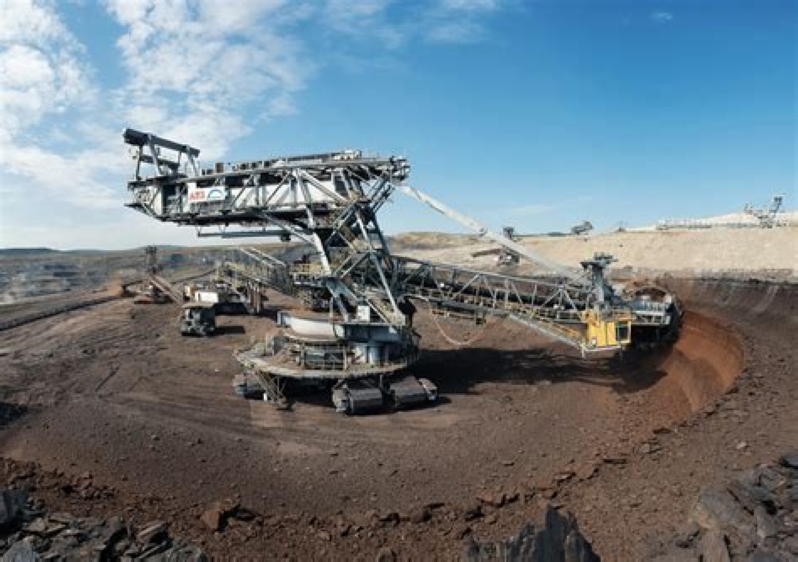
Kenya has selected the US-led Frontier Minerals Consortium as the preferred bidder for the development of the Mrima Hill rare earth and niobium deposits project in Kwale County, advancing plans to establish a new critical minerals industry in the country.
The consortium comprises Frontier Minerals LLC, American Resources Corporation, ReElement Technologies and Bunker Hill Mining Corp. The selection follows a competitive international tender that attracted interest from US, Australian, Chinese and Kenyan-linked investors.
The Mrima Hill rare earth and niobium deposits project is estimated to contain more than 105 million tons of mineral resources, according to a 2025 report by Kenya’s Ministry of Mining. Its rare earth and niobium potential has been estimated at between KSh5.4 trillion and KSh8.18 trillion (approximately US$42 billion to US$63 billion).
The project, officially known as the Mrima Hill Niobium, Rare Earth Elements and Other Minerals Project, is expected to support Kenya’s ambitions to expand its mining industry. It is also set to attract foreign investment and retain more value from its mineral resources through domestic processing.
Frontier Minerals Consortium to Develop Mrima Hill Rare Earth and Niobium Deposits Project
The Frontier Minerals Consortium brings together companies with complementary capabilities in mineral exploration, mining, critical minerals sourcing and advanced refining.
American Resources Corporation specializes in critical mineral sourcing, processing and recycling. ReElement Technologies, on the other hand, focuses on separating and purifying rare earth elements and other critical minerals using chromatography-based refining technology.
Bunker Hill Mining brings mining development and operational experience, particularly in silver, lead and zinc operations. Frontier Minerals LLC serves as the consortium’s project development vehicle.
Additionally, an important component of the Mrima Hill rare earth and niobium deposits project is the establishment of mineral processing and refining capacity in Kenya. President Ruto’s government made domestic value addition a key requirement during the tender process. They also sought to avoid a development model centered solely on extracting and exporting unprocessed mineral concentrates.
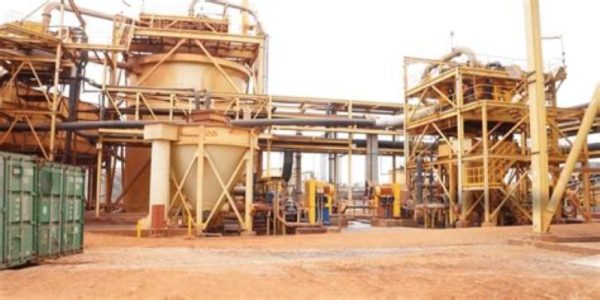
The US mining consortium has also indicated that it intends to invest in local processing infrastructure. This will be alongside capacity-building and targeted investment intended to create opportunities for Kenyan workers and businesses.
ReElement’s existing refining ambitions could also provide a foundation for the proposed processing component. In July 2026, the US Department of War announced a US$25 million grant to support equipment installation at the company’s planned rare earth and critical minerals refining facility in Indiana. ReElement is also involved in several downstream processing partnerships in the growing US rare earth manufacturing industry, including one with Vulcan Elements for a $918.1 million rare earth magnet factory in North Carolina.
Mrima Hill Project in Kenya Holds Strategic Importance in Global Critical Minerals Race
The selection of the US consortium comes amid growing international competition to secure supplies of rare earth elements and other critical minerals. The minerals are mainly used in advanced manufacturing, defense, renewable energy and electronics.
Furthermore, rare earth elements are important inputs in permanent magnets. These are particularly useful in electric vehicle (EV) motors and wind turbines. They are also used in robotics, semiconductors and defense systems. Niobium, meanwhile, is primarily used to strengthen steel alloys and has applications in aerospace manufacturing, including jet engines.
China’s dominant position in rare earth processing has made the diversification of supply chains a strategic priority for the United States and other industrial economies. The Mrima Hill rare earth and niobium deposits project therefore presents Washington with an opportunity to secure access to a potentially significant source of critical minerals while supporting the development of alternative processing capacity.
For Kenya, the development could represent a major expansion of the country’s extractive industry. The mining sector contributed approximately KSh141.7 billion to Kenya’s GDP in 2025, accounting for 0.8% of total economic output.
Kenya previously experienced significant mining activity through the Kwale mineral sands project operated by Base Titanium. The company shut down operations at the Kwale mine in December 2024 following the depletion of its deposits. The development of Mrima Hill could help restore momentum in the coastal mining sector. It is also expected to create opportunities for supporting infrastructure, mineral processing and associated industrial activities.
Prospecting and Community Engagement Remain Key Project Milestones
Despite the award, the Mrima Hill rare earth and niobium deposits project is not yet ready for construction or commercial mining.
Kenya’s Ministry of Mining has clarified that the notice of intention to award the project does not constitute a mining license. Frontier Minerals must first engage with local communities and obtain the necessary consents before proceeding to construction and operations. The US consortium must also secure the required prospecting licenses before proceeding with exploration and subsequent development activities.
Mrima Hill Project Permitting Process
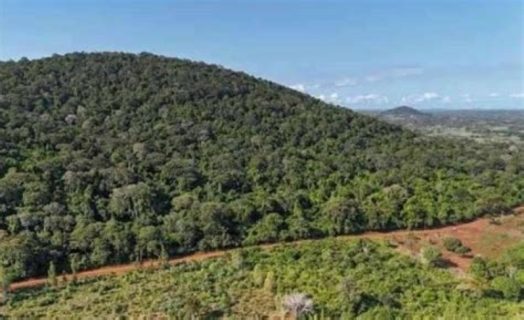
The permitting process is also particularly significant. This is because Mrima Hill is located within a forested area of considerable ecological and cultural importance. The Mrima Hill Sacred Grove has been designated a national monument since 1992 and holds deep cultural significance for the local Digo community.
Residents and community representatives have raised concerns about potential land displacement and damage to ancestral sites. They have also voiced concerns about the potential loss of livelihoods and the environmental consequences of mining activities.
Regulatory Challenges
The project also carries historical regulatory sensitivities. A previous attempt to develop the deposit through Cortec Mining Kenya encountered legal and environmental hurdles after Kenya’s environmental regulator rejected an environmental assessment associated with the proposed mining license. Subsequent international arbitration proceedings also addressed the issuance of the license without the necessary environmental approval. Kenya prevailed in the dispute.
The latest selection has also attracted objections from competing bidders. Australia’s RareX-led consortium has indicated that it intends to challenge the decision. RareX alleges that US-based Frontier Minerals failed to meet an earlier expression-of-interest deadline. Another competing group, Mrima Earth Limited, has also indicated plans to challenge the award through Kenya’s Public Procurement Regulatory Authority.
What Next for the Mrima Hill Rare Earth and Niobium Deposits Project?
Frontier Minerals has maintained that it won the tender through a fair and competitive process. The Ministry of Mining has also said unsuccessful bidders can pursue appeals through established procedures.
The next phase of the Mrima Hill rare earth and niobium deposits project will therefore be critical in determining whether the mineral resource can progress into a commercially viable mining and processing development. Beyond the consortium’s technical and financial capabilities, the project’s future will depend on regulatory and environmental approvals. Also important will be the ability to secure meaningful community participation.
Mrima Hill Rare Earth and Niobium Deposits Project: Key Facts
Project name: Mrima Hill Niobium, Rare Earth Elements and Other Minerals Project
Location: Mrima Hill, Kwale County, southeastern Kenya
Project owner: Government of Kenya through Ministry of Mining, Blue Economy and Maritime Affairs
Preferred developer: Frontier Minerals Consortium
Estimated mineral resource: More than 105 million tons
Mineral value: US$42 billion-US$63 billion
Key minerals: Rare earth elements and niobium
Project stage: Preferred bidder selected. Prospecting and regulatory approvals remain pending.
Main development objective: Mineral exploration and extraction. The selected US consortium also promises domestic processing and refining as proposed by President Ruto’s government.
Key outstanding requirements: Community engagement, requisite consents, prospecting licenses and environmental approvals
Previous development attempt: Cortec Mining Kenya
Key challenge: Environmental protection, cultural heritage preservation and competing bidder appeals
Who is Involved in the Project?
- Frontier Minerals LLC – US consortium lead
- American Resources Corporation – Critical minerals sourcing, processing and recycling.
- ReElement Technologies – Rare earth separation, purification and refining technology.
- Bunker Hill Mining Corp – Mining development and operational expertise.
- Ministry of Mining, Blue Economy and Maritime Affairs, Kenya – Government authority overseeing the tender and project development process.


Leave a Reply