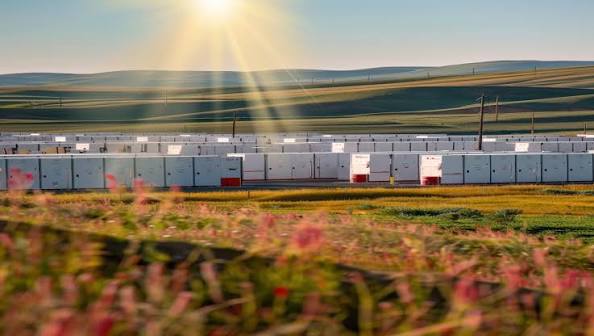
Darnum battery energy storage system has entered Australia’s federal environmental assessment process, placing a controversial 200MW battery construction project under renewed public scrutiny. The proposed facility near Warragul, in Victoria’s Gippsland region, would store 800MWh of electricity and support grid reliability.
However, the development faces strong opposition over agricultural land use, visual impacts and potential fire risks. Samsung C&T Renewable Energy Australia is advancing the project while seeking the necessary environmental and planning approvals. The reported development cost is A$230 million, equivalent to approximately $150 million, depending on exchange rates.
Darnum Battery Energy Storage System Advances through Environmental Review
The project entered Australia’s Environment Protection and Biodiversity Conservation Act assessment process on October 12, 2026. Federal authorities opened the referral for public comment, with submissions closing on October 26, 2026. This process gives interested parties another opportunity to raise environmental concerns before the project advances.
The proposed battery would occupy privately owned farmland along Darnum-Shady Creek Road, near Shady Creek. The site lies approximately eight kilometres north-east of Warragul and about 100 kilometres south-east of Melbourne. Although the broader property covers approximately 52 hectares, the operating footprint would use only part of the land.
The development would include 196 battery modules, power conversion equipment, cabling and an onsite substation. Additional infrastructure would support safe operation and connection to the electricity network. Existing buildings, including a dwelling, large shed and cattle yard, would remain on the property. Developers also intend to retain three rows of cypress trees for screening.
AusNet’s existing 220kV transmission line runs parallel to the southern site boundary. The proposed substation would connect the battery to this line and Australia’s National Electricity Market. Consequently, the project could store electricity and release it during periods of higher demand.
Darnum Battery Energy Storage System Faces Land-Use Opposition
The project’s location has triggered resistance from residents, local representatives and Baw Baw Shire Council. Critics argue that utility-scale energy infrastructure should not displace productive agricultural land. They also question how the development could change the area’s rural character.
Wayne Farnham, the Liberal member for Narracan, publicly criticised the proposal in Victoria’s state parliament. Meanwhile, Friends of Gippsland Inc has organised opposition and encouraged residents to submit objections. An ABC News report in May 2026 cited a petition attracting approximately 6,000 signatures against the Darnum proposal and another regional battery project.
Community engagement documents identify visual amenity, changes to local identity and fire safety as prominent concerns. These issues could influence the project’s design, mitigation measures and approval conditions. Therefore, the federal assessment represents an important opportunity to examine potential environmental impacts.
Nevertheless, the developer argues that the battery would deliver broader electricity-system benefits. The facility could strengthen supply during peak demand and help integrate renewable generation into the grid. It could also support renewable energy developments planned for the Gippsland Renewable Energy Zone and Gippsland Offshore Zone.
Those zones have estimated renewable energy development potential of 1.1GW and 9GW, respectively. Large-scale storage could help manage fluctuations in renewable electricity production as additional generation enters the network.
Darnum Battery Energy Storage System Targets 2027 Construction
Samsung C&T Renewable Energy Australia expects construction to begin in 2027, subject to all necessary approvals. The construction programme would take approximately 18 months to complete. The developer anticipates around 80 construction jobs and three permanent operational positions.
The project forms part of Samsung C&T Renewable Energy Australia’s wider Australian development pipeline. The company lists seven standalone battery projects with combined power capacity approaching 1,500MW. Its portfolio also includes the Boro Solar project, combining a 150MW solar farm with a 250MW/1,500MWh battery system.
For Darnum, the immediate priority remains securing regulatory clearance while addressing community concerns. Federal environmental review and the remaining planning requirements will determine whether the project can progress towards construction.
Australia’s growing battery construction pipeline includes the Blackstone Battery Project in Queensland, where Octopus is pursuing federal clearance for a 2GWh energy storage development. Like the proposed Darnum Battery Energy Storage System in Victoria, the project highlights the regulatory approvals required to advance large-scale battery infrastructure supporting grid reliability and renewable energy integration.
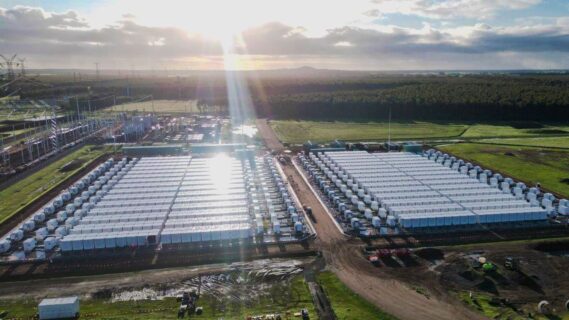
Project Fact Sheet
Name: Darnum Battery Energy Storage System (BESS).
Type: Standalone, grid-scale battery energy storage facility.
Location: Darnum-Shady Creek Road, Shady Creek, near Warragul, Victoria, Australia.
Regional setting: West Gippsland, approximately 100km south-east of Melbourne.
Power capacity: 200MW.
Energy storage capacity: 800MWh.
Storage duration: Four hours at rated output.
Estimated project cost: A$230 million, approximately $150 million.
Site ownership: Privately owned freehold farmland.
Property area: Approximately 52.25 hectares.
Main infrastructure: 196 battery modules, power conversion systems, cabling, transformers, onsite substation, switchyard, access roads, drainage and ancillary facilities.
Grid connection: AusNet’s existing 220kV transmission line and Australia’s National Electricity Market.
Federal approval pathway: Environment Protection and Biodiversity Conservation Act referral.
Public comment deadline: October 26, 2026.
Expected construction start: 2027, subject to approvals.
Estimated construction duration: Approximately 18 months.
Expected employment: Around 80 construction jobs and three ongoing operational positions.
Project Team
Developer: Samsung C&T Renewable Energy Australia (SREA)
Proponent and trustee entity: Darnum BESS Pty Ltd, acting as trustee of the Darnum BESS Trust.
Federal environmental regulator: Australian Government Department of Climate Change, Energy, the Environment and Water, administering the EPBC Act assessment process.
State planning authority: Victorian Department of Transport and Planning
Local government authority: Baw Baw Shire Council
Grid connection infrastructure provider: AusNet, associated with the nearby 220kV transmission network.
Community opposition group: Friends of Gippsland Inc, coordinating objections to the proposal.

Leave a Reply