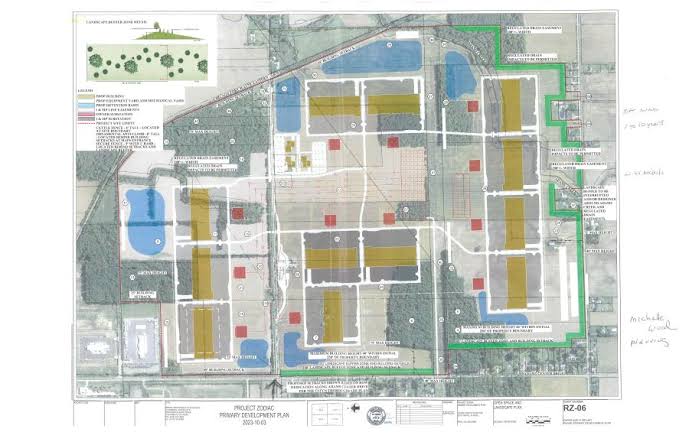
The $1.3B Google data center power plan is officially advancing as Indiana regulators approve critical infrastructure proposals by AES. A sprawling solar and battery storage project in Morgan County is officially taking shape. Specifically, AES Indiana will construct the massive infrastructure required to power this hyperscale tech campus. The upcoming digital hub initially suffered local pushback regarding potential utility rate increases.
Now, a massive influx of tech capital guarantees long-term energy reliability locally. The 390-megawatt data center depends entirely on this newly approved infrastructure. Regulators closely partnered with local consumer watchdogs to analyze these complex proposals. Restoring this domestic industrial base secures high-tech revenues without burdening everyday ratepayers. Another data center making headway is an anonymous proposed data center in Metter.
A five-building data center campus is making strides as an anonymous developer offers up a massive new infrastructure in Metter. A large digital lifeline is finally being formed in Metter, Georgia. In particular, Canoochee River RV Resort LLC submitted an application to the state. The proposed project in Candler County has not yet faced local moratoriums that would restrict development.
Outlook on the AES Indiana Google Data Center Plan
Approving this massive utility infrastructure requires incredibly complex regulatory and financial evaluations. Over the next few years, AES Indiana will construct two massive battery energy storage systems. Subsequently, they will install advanced solar generation facilities directly onsite. Under a 2025 state law, large electricity users must cover most assigned infrastructure costs. Consequently, AES explicitly testified that Google will pay all direct power costs for this project. Furthermore, regulators determined that Google’s massive system payments will heavily protect existing customers. Ultimately, this specific power agreement seamlessly ensures daily ratepayers avoid massive, disproportionate cost shifting entirely.
Transmission Upgrades and Financial Concerns
Funding these specific transmission upgrades sparked significant debates among local consumer advocacy groups. The Citizens Action Coalition strongly argued that everyday customers shouldn’t subsidize the grid expansion. Specifically, AES identified $74 million in network upgrades required solely because of the new data center. However, regulators decided that allocating these costs into the retail rate base remains completely reasonable. The utility argued these upgrades will ultimately benefit all future power customers across the grid. Additionally, AES claims spreading fixed costs across more users will eventually save customers $770 million. Ultimately, Google formally committed to at least a 15-year partnership, guaranteeing stable, long-term financial backing.

Project Overview
- Project Value: $1.3 Billion
- Location: Monrovia, Indiana
- Developer: AES Indiana & Google
- Status: Regulatory approval granted
Scope
- 390-megawatt data center
- Two battery storage systems
- Dedicated solar energy facility
- Transmission grid upgrades
Project Highlights
- First project under 2025 law
- Google pays direct power costs
- Designed to save ratepayers $770M
- 15-year operational commitment
Key Developments
- IURC unanimously approved the AES plan
- Google committed $32.3M for direct connection
- Commission protected competitive trade secrets
- Watchdogs heavily scrutinized $74M transmission costs
Key Challenges
- Overcoming public fears of rate hikes
- Navigating fierce watchdog opposition
- Retaining Google’s 15-year commitment
- Balancing massive 390-megawatt demands
Outlook
- AES will commence infrastructure construction
- IURC will review broader rate increases
- Payments will stabilize the electrical grid
- Monrovia becomes a high-tech anchor

Leave a Reply