Severe thunderstorms and flooding can damage electrical infrastructure and expose industrial workers to serious hazards. Even after the lights come back on, a facility’s systems may not be safe to operate. Navigating electrical safety amid natural disasters calls for a clear view of storm-related risks, regulatory responsibilities and the safety training and professional services that help companies keep operations safe.
Why Severe Storms Are Impacting Electrical Risk for Industrial Facilities
Severe weather has become a recurring business risk for facilities that depend on continuous, reliable electrical power. From 1980 through 2024, the U.S. logged 403 confirmed billion-dollar weather and climate disasters, and severe storms and tropical cyclones made up most of them.
Flooding and prolonged outages can compromise utility connections and the on-site distribution systems that feed production equipment. Unexpected shutdowns may disrupt automated lines, damage sensitive equipment and trigger costly restart procedures. Having resilience now means building weather disruptions into maintenance schedules and emergency response procedures.
How Storm Damage Creates Hidden Electrical Hazards
Rising storm activity matters because of what water can do inside electrical equipment. Floodwater and storm surge can enter switchgear and transformers and leave behind corrosion and conductive contaminants, while moisture exposure can degrade insulation and raise the likelihood of short circuits.
Damaged conductors and altered protective devices can create shock and arc flash hazards even after utility power returns. Facilities should keep affected equipment isolated until qualified personnel complete inspections, testing, and manufacturer-guided repair or replacement decisions.
The Compliance Obligations Triggered by Storm Damage
Hazards like these can bring legal responsibilities that facilities need to address once damage occurs. Storm-related electrical destruction can require employers to reassess workplace hazards, review safe work procedures and verify equipment condition before restarting operations.
The Occupational Safety and Health Administration (OSHA) sets its electrical safety requirements in the Code of Federal Regulations (CFR), and 29 CFR 1910 Subpart S covers areas ranging from system design to safe work practices. Separate rules in 29 CFR 1910.132 address personal protective equipment (PPE) hazard assessments.
Under those PPE rules, employers need a written certification of hazard assessment that identifies the workplace evaluated, the person certifying and the evaluation dates. That certification under 1910.132(d) applies to determining required PPE, so facilities should not confuse it with a universal storm-damage recertification requirement.
National Fire Protection Association (NFPA) 70E and NFPA 70B add guidance on electrical risk assessments, maintenance practices and evaluating systems after significant changes or abnormal conditions. Pairing those standards with regular safety training may help workers recognize the hazards that storm damage leaves behind.
Where to Turn for Arc Flash Assessment and Safety Training
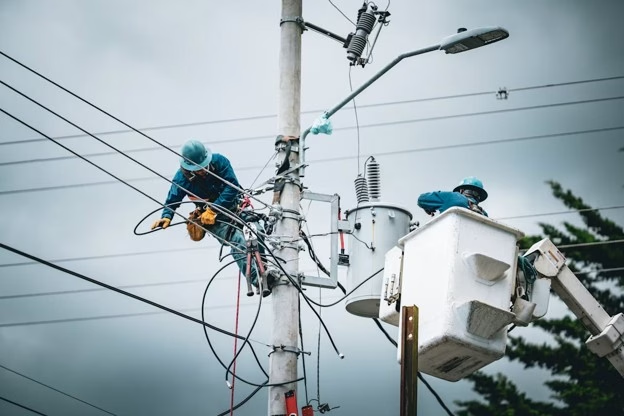
Facilities that need an arc flash assessment or infrastructure recertification after storm-related system changes can compare providers that specialize in electrical engineering, testing and compliance support. Three providers offer a practical next step, and companies can contact each one directly to ask about scope and quotes.
1. Power Solutions Group
Facilities recovering from a storm can lean on Power Solutions Group, an electrical engineering and technical field services company serving facilities across the U.S. under its “Delivering Confidence” positioning since 2006. The firm holds accreditation from the InterNational Electrical Testing Association (NETA) and brings expertise in electrical maintenance, commissioning, acceptance testing and troubleshooting across low-, medium- and high-voltage systems.
Its engineering and field services can help facilities evaluate storm-damaged equipment, update electrical system studies and address risks that remain after emergency repairs. NETA-accredited technical field services come with 24/7 emergency support, and electrical safety training programs reach qualified electrical workers, maintenance personnel and other employees.
Key Features
- NETA-accredited electrical services: The firm provides specialized maintenance, testing, commissioning and engineering support for industrial electrical infrastructure.
- 24/7 emergency response: Its team offers disaster recovery assistance, troubleshooting and technical field services to support safe restoration efforts.
2. Vertiv
A provider of critical infrastructure solutions, Vertiv also delivers electrical testing and maintenance through its Electrical Reliability Services (ERS) subsidiary. ERS offers NETA-accredited testing for substations, switchgear, protective devices and other electrical distribution equipment that storm damage can put at risk.
Its engineering services include arc flash studies, grounding analysis and protective system evaluations that can help facilities identify electrical safety concerns. Vertiv also lists electrical safety and compliance offerings with NFPA 70B support, and preventive maintenance with documented equipment inspections may strengthen programs that follow that standard.
Key Features
- Electrical Reliability Services: ERS provides NETA-accredited testing, maintenance, and engineering services for industrial and mission-critical facilities.
- Electrical safety support: Vertiv offers arc flash studies, equipment condition assessments and maintenance services that support compliance efforts.
3. Eaton
As a power management company, Eaton provides electrical engineering, maintenance and safety services for industrial facilities. Its electrical system studies can evaluate short-circuit currents, protective device coordination and arc flash exposure after infrastructure modifications, which can give facilities a clearer picture of changed conditions.
Field engineering and equipment maintenance services help facilities investigate failures, improve system reliability and address electrical safety concerns. Eaton also offers electrical safety training, arc flash mitigation services, and support for OSHA and NFPA safety practices that guide how facilities manage electrical risk.
Key Features
- Power system engineering: The company provides arc flash analysis, short-circuit studies and protective device coordination assessments.
- Safety and compliance services: Eaton offers employee training, arc flash labeling, equipment maintenance and electrical risk mitigation support.
Preparing Facilities for a More Volatile Climate Ahead
Electrical safety during superstorms starts with adding extreme weather scenarios to preventive maintenance programs, including inspections of flood-prone switchgear rooms and exposed distribution equipment. Elevated equipment placement and appropriate weather-resistant enclosures may also reduce electrical damage when water arrives.
Managers can support safer post-storm recovery by maintaining current single-line diagrams and emergency shutdown procedures. Coordinating with qualified electrical engineers and testing providers also helps companies prioritize upgrades based on equipment condition, exposure and operational criticality.
Building Electrical Confidence Before the Next Storm Hits
Severe storms can compromise electrical infrastructure in ways that stay dangerous long after visible damage disappears. Equipment inspections, updated risk assessments, regulatory compliance and employee safety training all help facilities protect workers and maintain operational continuity. Working with qualified electrical safety professionals before the next major weather event can reduce reliance on emergency repairs alone.