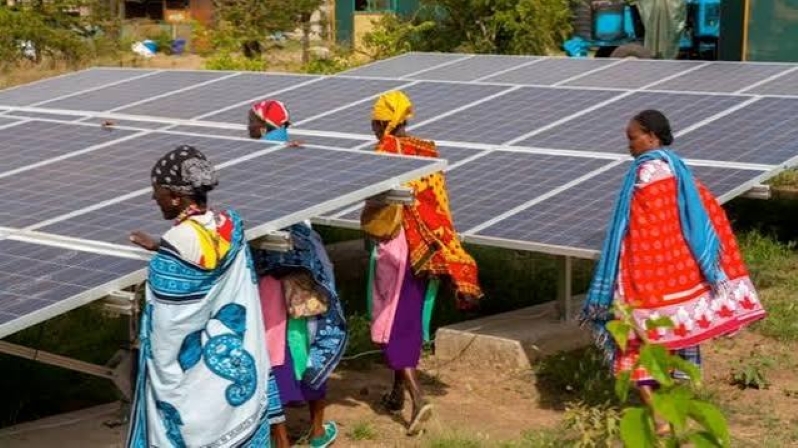
Africa’s push to expand domestic solar manufacturing could face a new technological challenge following China’s proposal to restrict exports of selected photovoltaic (PV) manufacturing technologies. China’s proposed export controls also highlight the important gap between installing solar power systems and developing the industrial capacity to produce them.
The proposed measures do not constitute a blanket ban on exporting finished solar panels. However, they raise important questions for African countries seeking to move beyond importing solar equipment towards building more self-sufficient manufacturing industries.
For a continent with substantial solar resources and growing electricity demand, the issue is not simply whether more solar projects can be built. It is whether the expansion of renewable energy can also support local industrial development, skilled employment and technology transfer.
Africa’s solar opportunity extends beyond project construction
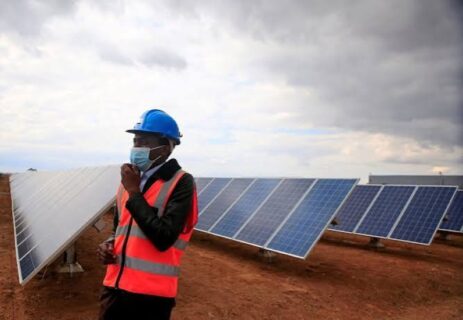
Solar power has become an important part of Africa’s strategy to expand electricity access. This can be seen from utility-scale solar farms to commercial rooftop installations and off-grid systems. PV technology is offering opportunities to address electricity shortages and reduce dependence on imported fossil fuels.
However, the expansion of solar generation does not translate into a competitive domestic manufacturing industry.
Countries import finished modules, inverters and other components to develop renewable energy projects without possessing the industrial capabilities needed to manufacture those products themselves.
Developing local production requires investment in factories, machinery, engineering expertise, workforce training and reliable access to raw materials and intermediate components.
The distinction is particularly important in Africa. This is because most emerging solar manufacturing operations focus on assembling imported components rather than producing the inputs used in photovoltaic cells and modules.
Africa remains heavily dependent on imported components, particularly from China. China’s proposed PV technology export controls makes this distinction between local assembly and independent manufacturing capabilities even more important.
Why China’s export controls proposal matters to African solar technology manufacturers
China’s position in the global solar supply chain has been built on years of investment, manufacturing scale and technological development.
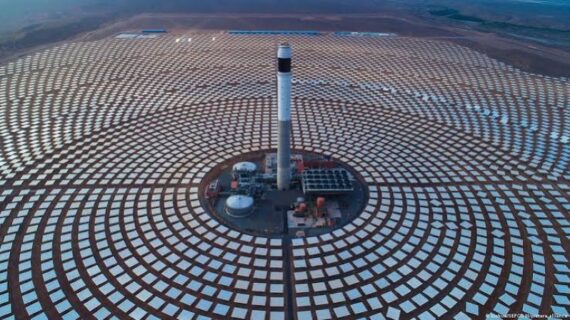
Its industrial ecosystem covers several stages of photovoltaic production. This includes polysilicon processing, wafer manufacturing and solar-cell production.
These capabilities provide manufacturers with access to equipment, technical expertise and established supplier networks that can be difficult for new entrants to replicate.
If the proposed restrictions are adopted, African businesses seeking to establish advanced solar manufacturing operations could face additional obstacles. Especially where their projects depend on controlled Chinese technologies.
Potentially affected activities would include technology licensing, the transfer of manufacturing know-how and certain equipment-related processes. The exact impact will depend on the final rules and the technologies involved.
The measures would also not automatically prevent African countries from importing finished solar modules or building solar power plants using commercially available equipment.
Nevertheless, they could make difficult efforts to establish certain types of domestic manufacturing capacity. This is particular to where investors are expected to obtain advanced production technologies from Chinese suppliers.
Additionally, the implications extend beyond the immediate cost of establishing a factory. Manufacturers also need to remain competitive as production methods evolve and more efficient solar-cell technologies enter the market.
Without access to suitable technology, African manufacturers could struggle to achieve the yield and efficiency levels needed to compete with established international manufacturers.
Could China’s proposed export controls accelerate Africa’s push for industrial independence?
The proposed controls could also strengthen the argument for African countries to invest in local research. They could also focus on developing alternative technology partnerships and build more resilient manufacturing supply chains.
However, the opportunity should not be confused with an immediate manufacturing windfall.
Establishing an integrated photovoltaic industry is capital-intensive. It requires more than assembling imported components or opening a new factory. Countries must also develop the supporting industrial ecosystem. This includes technical training, reliable electricity supplies, logistics, financing and access to competitive manufacturing equipment.
For governments, this presents a difficult policy choice.
Prioritizing inexpensive imported solar panels can help accelerate renewable energy deployment and reduce the upfront costs of electricity projects. Supporting domestic manufacturing, meanwhile, could create jobs, strengthen industrial capabilities and retain more economic value locally, but may require sustained investment and targeted policy support.
The two objectives are not necessarily incompatible. Countries can continue importing solar equipment while gradually expanding local assembly, component manufacturing and technical capabilities.
The challenge is to ensure that the transition towards domestic production is economically sustainable rather than driven solely by protectionist ambitions.
Which African markets could be best positioned?
The impact of China’s proposed controls solar manufacturing technologies would vary across the continent. It would depend on existing manufacturing capacity, investment conditions and government priorities.
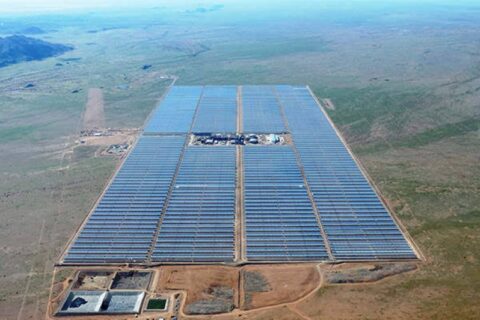
An Associated Press report published in August 2026 highlighted efforts by countries including South Africa, Nigeria, Ethiopia and Morocco to expand domestic solar manufacturing.
South Africa
The country with the largest economy in Africa by GDP offers an established industrial base and a substantial electricity market. It provides opportunities to link renewable energy deployment with local manufacturing. The challenge is building competitive production capacity in a global market where established manufacturers benefit from considerable economies of scale.
Morocco
Morocco also could build on its industrial infrastructure and investment links to international manufacturing supply chains. The links would enable it to pursue additional opportunities in solar equipment production. Access to technology, financing and export markets would remain important considerations.
Egypt
Egypt also has opportunities to connect its industrial development ambitions with rising demand for renewable energy equipment. The extent to which it can capture more value from solar manufacturing will depend on investment, technical capabilities and the competitiveness of local production.
Nigeria
The West Africa country offers a large potential market for solar equipment because of its electricity access needs and demand for distributed power systems. Expanding local assembly could support employment and reduce some import dependence, although developing upstream manufacturing capabilities would be a more demanding undertaking.
Generally, the immediate priority for African governments should be to assess which manufacturing stages can be developed competitively and which technologies require alternative suppliers, local research or international partnerships.
Technology transfer will be critical following China’s proposed export controls
China’s proposed solar export controls also raise broader questions about the terms on which advanced manufacturing technology reaches developing economies.
Foreign investment can help African countries establish factories, develop technical skills and participate in global supply chains. However, investment does not necessarily guarantee the transfer of the most valuable production knowledge.
A factory that assembles imported components may create employment and serve local demand, but its long-term industrial contribution can remain limited if critical components, equipment and technical expertise continue to come from abroad.
Governments and investors should therefore examine the extent of technology transfer, workforce development and local supplier participation when negotiating manufacturing partnerships.
Regional cooperation could also help African countries pool demand, share technical expertise and develop manufacturing operations capable of serving multiple markets rather than relying on relatively small domestic markets.
The objective should not be to eliminate imports altogether. It should be to develop the capacity to participate in more stages of the solar supply chain while maintaining access to affordable and reliable equipment.
As the wider debate over solar manufacturing demonstrates, control over advanced production technologies is becoming an increasingly important part of the global competition for clean-energy industries. China’s growing use of technology export controls also highlights the geopolitical risks of concentrated solar supply chains.
Affordable solar power must remain in sight
One potential risk is that efforts to build domestic manufacturing capacity could increase the cost of renewable energy projects. This is if local production cannot compete with established international suppliers.
For African countries seeking to expand electricity access, affordability also remains a key consideration. Delays in developing manufacturing capacity should not become a reason to postpone viable solar projects or restrict access to readily available equipment.
A balanced approach would allow countries to continue importing solar panels while investing selectively in manufacturing activities where local demand, regional markets and industrial capabilities provide a credible business case.
A test of Africa’s long-term solar strategy
China’s proposed solar manufacturing technologies export controls comes at a time when African countries seek to expand renewable energy deployment.
If access to selected technologies becomes more restricted, countries with limited manufacturing capabilities could face additional challenges in moving up the solar supply chain. Those already investing in research, industrial infrastructure and technology partnerships may be better positioned to explore alternative routes.
Ultimately, Africa’s solar ambitions will require more than abundant sunshine and a growing pipeline of renewable energy projects. They will require sustained investment in the people, infrastructure and industrial capabilities needed to manufacture competitive products.
The lingering question is whether African countries can turn growing demand for solar power into a stronger domestic industrial base without compromising the affordability and pace of the continent’s energy transition.



Leave a Reply