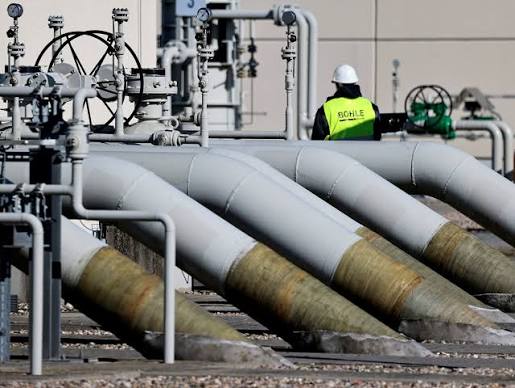
BarMar Subsea Hydrogen Pipeline, a planned 380km subsea infrastructure project connecting Spain and France, has awarded its front-end engineering design (FEED) contract to British engineering company Wood. The project will establish a major underwater hydrogen transport link beneath the Mediterranean Sea, connecting Barcelona in Spain to the Marseille industrial region in southern France. The growth of Spain’s energy storage market is also advancing alongside major hydrogen infrastructure developments. This includes the 380 MW BESS investment by Sungrow Renewables and Actuate Energy.
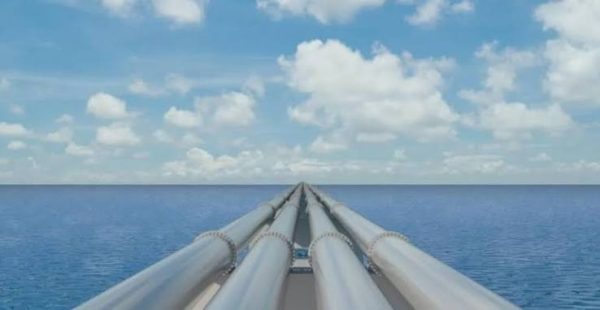
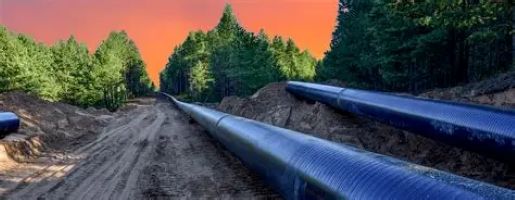
The approximately 380-kilometre pipeline will have the capacity to transport up to 2 million tonnes of green hydrogen annually. Furthermore, it will be designed specifically for 100% hydrogen service rather than converted from an existing natural gas pipeline. This makes BarMar an important part of Europe’s plans to establish a dedicated hydrogen transport network.
Wood to Lead Detailed Engineering Work
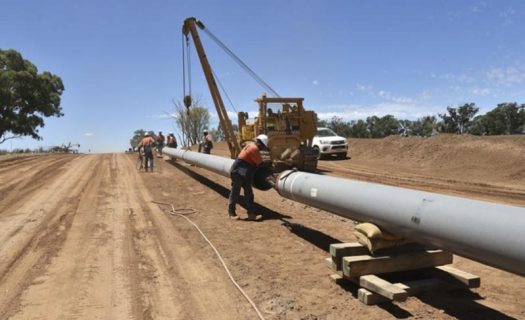
Under the contract, Wood will undertake FEED work for the offshore pipeline and its associated compression facilities. The engineering scope will also cover subsea pipeline design, route engineering and microtunnelling. In addition, the company will apply its hydrogen infrastructure expertise to develop facilities capable of transporting pure hydrogen.
The assignment will involve approximately 50 Wood employees. Teams in Spain and the United Kingdom will lead the work. However, the company will also draw on specialist engineering capabilities from its wider international network. The FEED contract is expected to run until April 2028.
Notably, this is not Wood’s first involvement in the BarMar project. The engineering firm has supported its development since 2022. Its previous assignments included pre-FEED engineering for the offshore pipeline and compression facilities. Furthermore, Wood provided technical support for offshore corridor reconnaissance activities. The latest contract therefore extends an existing relationship with the project developers.
BarMar Pipeline to Form Part of Europe’s H2med Hydrogen Corridor
Beyond connecting Spain and France, BarMar will serve as the offshore section of the wider H2med initiative. The corridor aims to transport renewable hydrogen from production centres in Portugal and Spain to industrial consumers across France and Central Europe, including Germany.
H2med comprises two main infrastructure projects. The first is CelZa, a proposed 270km pipeline connecting Celorico da Beira in Portugal to Zamora in Spain. It will have a maximum transport capacity of 750,000 tonnes of hydrogen annually. Meanwhile, BarMar will provide the maritime connection between Spain and France, with a capacity of up to 2 million tonnes annually.
Together, the two projects represent an estimated investment of €2.85 billion. BarMar accounts for approximately €2.5 billion of this amount, while CelZa is estimated to cost approximately €350 million. In addition, the European Union has recognised the H2med infrastructure as a Project of Common Interest. This designation supports its strategic importance to Europe’s future energy network.
Project Advances Towards Final Investment Decision
The latest contract award follows the completion of BarMar’s preliminary engineering studies. In July 2026, the project officially entered the FEED phase. At that stage, developers confirmed the project’s overall technical feasibility and established an advanced offshore corridor route.
However, several important activities remain before construction can begin. The ongoing engineering work will help confirm the pipeline’s final design and route. It will also establish the layout of the compression facilities and prepare the technical documentation required for permitting and procurement.
Meanwhile, the project developers have outlined a pathway towards construction and commissioning. The current schedule targets a final investment decision in 2029, followed by construction and commissioning activities between 2029 and 2032. Consequently, BarMar is targeting commercial operations in 2032, subject to regulatory approvals and the completion of the necessary development activities.
Hydrogen Infrastructure to Support European Industrial Decarbonisation
The development of BarMar comes as European countries seek to establish a dedicated hydrogen market. In particular, the infrastructure will connect renewable hydrogen production in the Iberian Peninsula with industrial demand centres further north.
The proposed network could support sectors such as steelmaking, chemicals, refining and fertiliser production. These industries require substantial amounts of energy and can be difficult to decarbonise through direct electrification alone. Therefore, access to renewable hydrogen could provide another pathway for reducing industrial emissions.
Nevertheless, the project’s delivery will depend on more than engineering progress. Developers must also secure the required permits, investment commitments and long-term transport customers. Even so, Wood’s FEED appointment represents an important step towards establishing one of Europe’s largest dedicated cross-border hydrogen transport links.

Leave a Reply