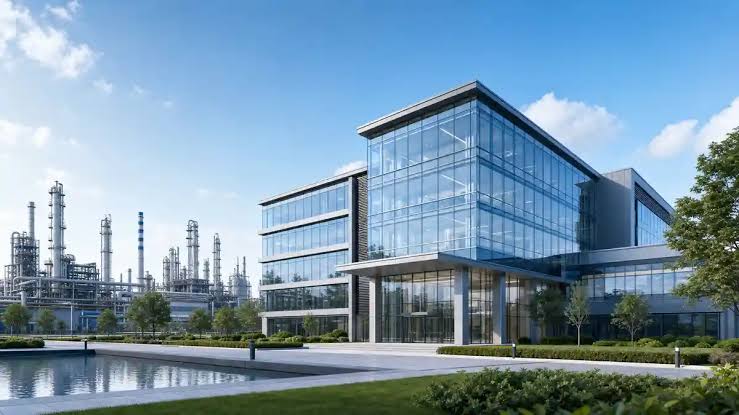
Chemical manufacturer BASF has inaugurated its $1 billion methylene diphenyl diisocyanate (MDI) production plant at the Geismar Verbund site in Louisiana, completing its largest single investment in the United States. The milestone doubles annual output at the complex to roughly 600,000 metric tons, making the company North America’s largest MDI producer and strengthening domestic supply.
Located along the Mississippi River industrial corridor, the Geismar facility serves as BASF’s largest Verbund manufacturing complex in the country. Expanding local MDI capacity reduces supply-chain bottlenecks for North American buyers producing polyurethane insulation, household appliances, automotive seating, footwear, and furniture.
Three-Phase Expansion Doubles Output
Launched in 2018, the multi-year capital program delivered the capacity expansion across three sequential construction and commissioning stages. Workers commissioned a new MDI synthesis unit during the first phase in 2020 before completing upstream processing upgrades across the complex in 2021.
Start-up of the third and final production unit in November 2026 brings total site capacity to approximately 600,000 metric tons per year, enough core feedstock to support millions of insulated building panels and vehicle components annually. Company officials confirmed the complex project reached completion on schedule while incorporating automated process controls and upgraded safety systems.
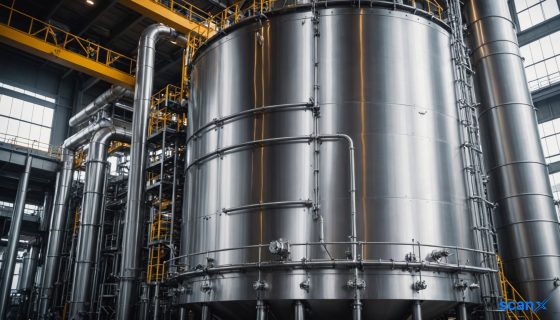
Integrated Supply Chain in Geismar
Beyond the core MDI synthesis units, the $1 billion investment expanded upstream aniline production at the same Geismar site. Aniline serves as the primary chemical precursor for MDI, allowing BASF to feed its new unit internally rather than relying on external shipments.
Higher aniline output also creates merchant supply for North American customers operating in the rubber, agricultural chemical, and pigment sectors. Operating within BASF’s integrated Verbund framework links adjacent chemical plants by pipeline, cutting energy losses, transport distances, and raw-material waste.
How Does the Plant Support U.S. Manufacturing?
Domestic production underpins BASF’s regional commercial strategy across more than 150 U.S. sites in 40 states. Roughly 90 percent of the company’s €13.1 billion in 2025 U.S. sales came from goods manufactured inside the country.
Dr. Markus Kamieth, chairman of the board of executive directors at BASF SE, said, “With our new world-scale MDI facility in Geismar, we are strengthening our core businesses, driving innovation and bringing more production closer to our customers.” Heather Remley, president and CEO of BASF Corporation, added, “It took an incredible team to bring this plant to life.”
Louisiana’s chemical corridor is attracting parallel investments aimed at localizing critical industrial supply chains. In Jefferson Parish, construction is underway on the $500 million UBE Corporation EV battery materials plant in Louisiana, where workers broke ground in February 2025 on Cornerstone’s Waggaman campus. Scheduled to start operations in 2027, that $491 million facility will manufacture battery and semiconductor solvents to curb U.S. reliance on imported feedstocks.
Project Overview
-
Project Name: BASF Geismar MDI Production Facility (Phase 3 Expansion)
-
Developer: BASF Corporation (North American affiliate of BASF SE)
-
Location: Geismar Verbund site, Ascension Parish, Louisiana, United States
-
Project Type: Industrial Chemical Manufacturing Plant (Methylene Diphenyl Diisocyanate)
-
Project Value: Approximately $1 billion
-
Capacity: Approximately 600,000 metric tons per year (doubled site MDI capacity)
-
Phases: Three phases (Phase 1 commissioned in 2020; Phase 2 in 2021; Phase 3 in November 2026)
-
Status: Operational / Inaugurated
-
Milestone Date: November 11, 2026
-
Project Launch: 2018
-
Construction Jobs: Not publicly disclosed
-
Permanent Jobs: Not publicly disclosed
Project Team
-
Owner and Operator: BASF Corporation
-
Parent Company: BASF SE
-
General Contractor: Not publicly disclosed

Leave a Reply