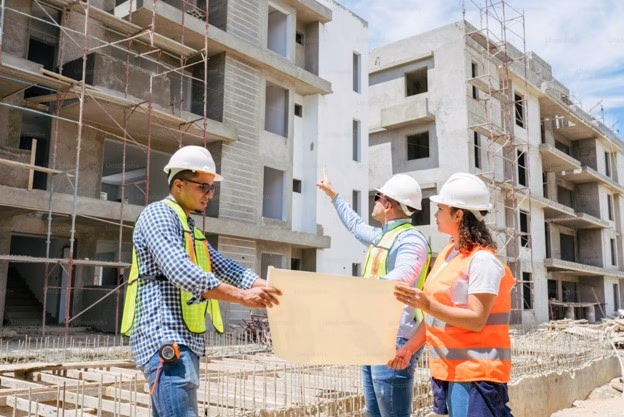
United States construction firms are in the midst of a delay avalanche that threatens to undermine operational efficiency and lead to costly overruns.
Data suggests that as much as 98% of construction projects are expected to overrun in 2026, representing industry-wide shortcomings for firms and frustration for clients.
With average project durations expected to run 37% longer than planned and larger projects found to not only slip 20% in duration but also exceed budgets by up to 80%, it’s clear that the sector is in need of an operational overhaul to meet expectations once again.
Issues with delays and overruns have reached new levels in the wake of the ongoing AI buildout, which has seen demand flow into construction as hyperscalers seek to build the data centers that are set to drive their growth.
However, the first quarter of 2026 alone saw at least 75 projects worth approximately $130 billion blocked or delayed in the US, serving as an example of the fiscal fallout of disruption.
Delays can occur at any time throughout the span of construction projects, and small firms can struggle to actively monitor for early warning signs of overruns, leaving it too late to remedy issues before they have the chance to grow into lengthy challenges.
Why Are Delays So Common?
Construction delays can be the result of many different contributing factors, including supply chain issues, labor shortages, poor decision-making, and regulatory backlogs.
Other challenges that can affect timelines include weather and scheduling errors, making timing one of the hardest things for construction companies to get right.
In a study on the causes of delays in the industry at the University of Nevada, Mohammadsoroush Tafazzoli, PhD, determined that owner collaboration with the construction team, quality of design, and communication among parties were the most significant factors at play.
Many of these challenges stem from a lack of visibility, with the quality of data insights and sharing of information responsible for slowing down essential processes and causing overruns.
Research has found that as much as 48% of rework in US construction has been the result of poor data sharing, miscommunication, and a lack of alignment between teams.
This means that perceptions of rain delays and human error are a little too simple for an industry that’s complex in scale. It’s also why the emergence of artificial intelligence could pose a key solution in addressing the ongoing project overrun epidemic.
Democratizing Data
Construction projects generate data all the time, and getting to grips with unstructured information sources can make all the difference in building a holistic view of projects from start to finish.
We’re already seeing use cases emerge where firms can use data insights to visualize and track end-to-end workflows in a centralized location in a way that automates approvals, handoffs, and notifications for all parties to collaborate effectively.
With the help of AI, it’s possible to not only deliver a holistic view of all relevant information but also tap into fragmented communication across email, SharePoint, and construction software.
This empowers construction companies to autonomously level and track subcontractor bids, process invoices, and track change-order variations in a way that significantly reduces the time spent by teams tracking down paperwork specific to projects.
Optimized Preconstruction
Artificial intelligence can also enhance visibility by delivering actionable insights during the preconstruction process.
Through automated design review, cloud-based tools can analyze complex blueprints and document sets in a matter of hours rather than weeks, monitoring in real time for instances of missing information, data entry discrepancies, and possible comprehension gaps.
Data suggests that design-related issues put pressure on 44.8% of major construction capital projects, making them a contributor to project overruns and disputes on a global scale.
Using AI for greater visibility can be a game-changing quality for smaller construction firms that lack the resource to manage projects on a more comprehensive scale, while larger companies can also benefit from the technology as an essential layer for quality control, allowing staff to focus their efforts on other pressing matters.
Enhanced Planning
While it’s impossible to change the weather, AI can help firms to become more prepared for ‘unforeseen’ circumstances like rain delays and other external factors that could interrupt projects.
Thanks to predictive scheduling tools, it’s possible for machine learning (ML) models to analyze historical project data, material price fluctuations, and the ongoing availability of labor to model thousands of ‘what-if’ scenarios to better anticipate challenges.
This means that should a setback occur, personnel will already be aware of the risk and how to overcome it.
Fighting Back Against Overruns
Project overruns can be fatal for the longevity of construction firms, and data suggests that delays can impact the vast majority of players in the sector.
Fortunately, artificial intelligence and the emergence of automation tools are helping to solve the visibility challenges that have long interrupted projects throughout the country, paving the way for the democratization of data insights and advanced planning.
While delays can arise from anywhere, stronger data visibility can be a valuable tool in overcoming issues and remaining committed to timeframes, no matter what headwinds are emerging.