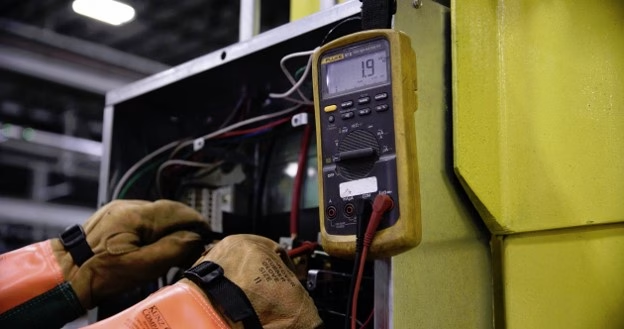
Facility managers deal with aging infrastructure every day across the nation’s 3 million commercial buildings, and often struggle to keep pace with rising power demands. As building systems age, they often struggle to support modern technological loads, leading to unexpected downtime and higher fire risk.
Facility operators must look beyond basic maintenance and consider comprehensive infrastructure upgrades. Upgrading your commercial property protects valuable equipment, reduces energy consumption, and helps you comply with updated safety codes.
Core Distribution Upgrades for Commercial Properties
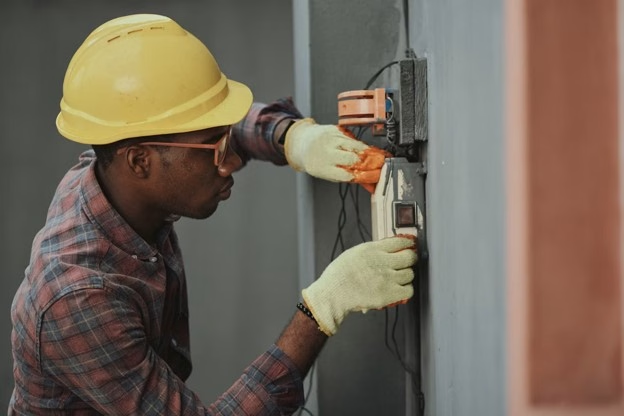
Operational reliability starts at the heart of your distribution network, making expert advice on and installation of electrical panel upgrades a fundamental priority for building owners seeking long-term stability. Older breaker boxes often fail to distribute power evenly across heavy machinery, office electronics, and modern HVAC units, so upgrading to higher-capacity switchboards prevents chronic tripping and reduces overheating hazards.
Beyond panel replacements, modernizing the broader distribution layout focuses on several key areas:
- Evaluating main service feeds to ensure adequate amperage for current and future tenant demands
- Integrating robust surge protection devices directly into the primary distribution architecture
- Replacing outdated aluminum wiring with modern copper equivalents to reduce resistance heating
Smart Energy Management and Efficiency Gains
Smart energy management systems offer another powerful way to cut operational expenses without sacrificing occupant comfort. Automated lighting controls, programmable thermostats, and submetering devices give facility managers real-time visibility into power usage patterns across entire campuses.
Recent industry findings show that modern electrical infrastructure and smart controls are the cornerstone of any effective decarbonization strategy. Implementing these technologies lets businesses shed loads during peak utility hours, avoiding costly demand charges from local energy providers. Furthermore, integrating smart submeters helps isolate energy waste down to specific tenant spaces or equipment zones, making cost allocation transparent and accurate for commercial landlords.
As much as anything else, energy management handled intelligently means commercial properties can minimize energy consumption costs. With utilities still increasing in price and inflation hitting home, this is an important step for any premises to take today. It’s similar to how homeowners can improve their properties to make them more cost-effective and comfortable.
Navigating Evolving Safety Regulations
Safety compliance remains a moving target, with updates emphasizing enhanced worker protection and advanced fault detection. Building codes now require strict adherence to specific arc-fault and ground-fault protection protocols in commercial settings to reduce workplace hazards.
Staying current with these codes shields your organization from liability issues and costly municipal fines that can derail operational budgets. Failing to keep up with code updates can lead to severe insurance penalties after an electrical incident. A proactive approach to safety engineering protects your workforce and physical assets from preventable disasters while enhancing overall asset value.
Strategic Facility Planning for Long-Term Value
Investing in comprehensive electrical overhauls requires careful budgeting and phased execution to minimize tenant disruption. Partnering with experienced commercial electricians ensures every upgrade aligns with your building’s profile and regional utility requirements. Prioritizing these upgrades today secures a resilient, efficient environment for years to come.