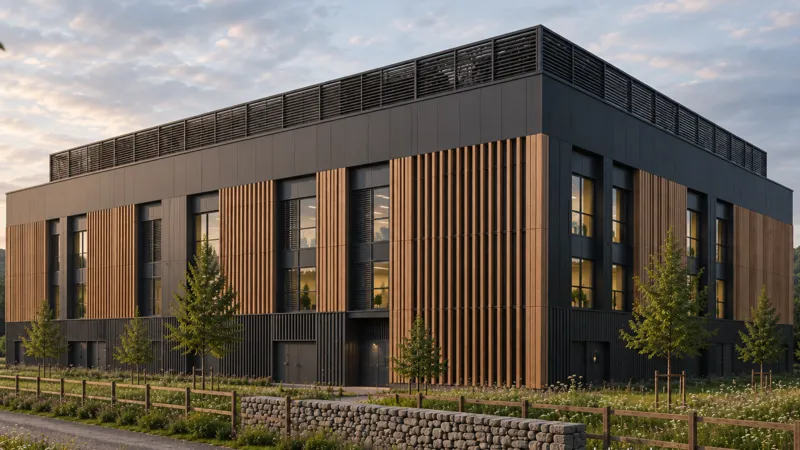
Cato data centre plans have triggered major local concerns over a proposed hyperscale construction project beside Auchtertool in Fife, Scotland. The scheme could deliver 600MW of computing capacity for artificial intelligence, cloud computing and digital services.
However, residents have questioned its scale, energy demand and impact on the surrounding countryside. The proposal represents about £5 billion in investment.
The proposed construction site covers about 25 hectares near the village. Planning documents outline several large data halls, substations, access roads, security infrastructure and landscaping. Some buildings could reach 35 metres in height.
The project has attracted substantial opposition since ILI Cato Ltd submitted its planning application. Thousands of objections have reached Fife Council through the planning process.
Cato data centre plans raise landscape concerns
The proposed construction would place a large industrial-scale facility close to Auchtertool. The village has around 200 homes and sits beside the proposed development area.
Community representatives have raised concerns about the project’s physical scale. They also question its potential effects on the village’s existing character.
The proposed data halls could extend for a considerable distance across the site. Their height would also create a significant visual presence around the village.
Residents have also highlighted potential noise, lighting, traffic and environmental impacts. These concerns have intensified as further details about the construction footprint emerged.
In July, villagers staged protests as project representatives visited Auchtertool. The demonstrations reflected continuing opposition to the proposed development.
Furthermore, some nearby residents have raised concerns about the project’s proximity to homes and agricultural land. One family living roughly 350 metres from the proposed site has raised concerns about horses and children.
The debate around Cato also reflects Scotland’s accelerating push for large-scale digital infrastructure, as developers pursue projects across the country. A separate £2.1 billion Larbert data centre campus could create another major construction hub, highlighting the growing tension between digital expansion, infrastructure demands and local communities.
Cato AI data centre faces energy and planning questions
Energy demand represents another major issue surrounding the construction proposal. The planned facility would have a maximum grid capacity of 600MW.
Industry reports estimate that the development could require substantial electricity and water resources once operational. The figures have intensified wider debate about Scotland’s ability to accommodate hyperscale data centres.
Meanwhile, ILI Group describes Cato as a green hyperscale facility. The company says Scotland’s renewable electricity resources support its data-centre strategy.
The developer also points to economic benefits from construction. BiGGAR Economics estimates approximately £708 million in Scottish gross value added during construction. The assessment also projects about 9,660 job-years nationally, including around 1,450 in Fife.
Once operational, the project could support about 540 jobs across Scotland. Around 262 of those positions could be located in Fife, according to the developer’s assessment.
However, the planning process remains unresolved. Fife Council must assess the proposal before deciding whether construction can proceed.
Scotland’s wider data-centre planning framework could also affect the timetable. The Scottish Government said large data-centre planning decisions were unlikely before new national guidance. The guidance was expected by Christmas 2026, alongside environmental assessment requirements for AI data centres.
Therefore, Cato remains a planning proposal rather than an approved construction project. Its future will depend on planning scrutiny, environmental assessment and the project’s response to community concerns.
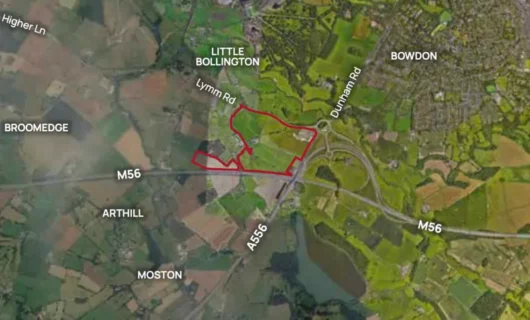
Project Fact Sheet
Project: Cato AI data centre.
Location: Land north-west of Auchtertool, Fife, Scotland.
Developer: ILI Cato Ltd.
Parent developer: ILI Group.
Project type: Hyperscale artificial intelligence and cloud data centre.
Planned capacity: 600MW.
Site area: Approximately 25 hectares.
Proposed investment: Approximately £5 billion.
Development status: Planning permission in principle application submitted.
Planning reference: 26/01243/PPP.
Construction strategy: Phased development over several years.
Data halls: Up to six large buildings are identified in project reporting.
Maximum building height: Approximately 35 metres.
Supporting infrastructure: Electricity substations, access roads, parking, security fencing and gatehouses.
Landscaping: Proposed ponds, landscape bunds, woodland, wetlands, hedgerows, scrub and wildflower areas.
Construction economic impact: About £708 million in Scottish GVA.
Construction employment: Approximately 9,660 job-years across Scotland.
Fife construction employment: Approximately 1,450 job-years.
Operational employment: About 540 jobs across Scotland.
Fife operational employment: Approximately 262 jobs.
Planned function: Artificial intelligence, cloud computing and data-intensive digital services.
Wider programme: First project within ILI Group’s proposed Stoics data-centre network.
Project Team
Developer: ILI Cato Ltd.
Parent company: ILI Group.
Architect: Graeme Nicholls Architects.
Economic assessment: BiGGAR Economics.
Planning authority: Fife Council.
Planning application agent: LoganPM Ltd.
Grid position: The project has an approved Gate 2 grid position supporting its planned electricity connection.



Leave a Reply