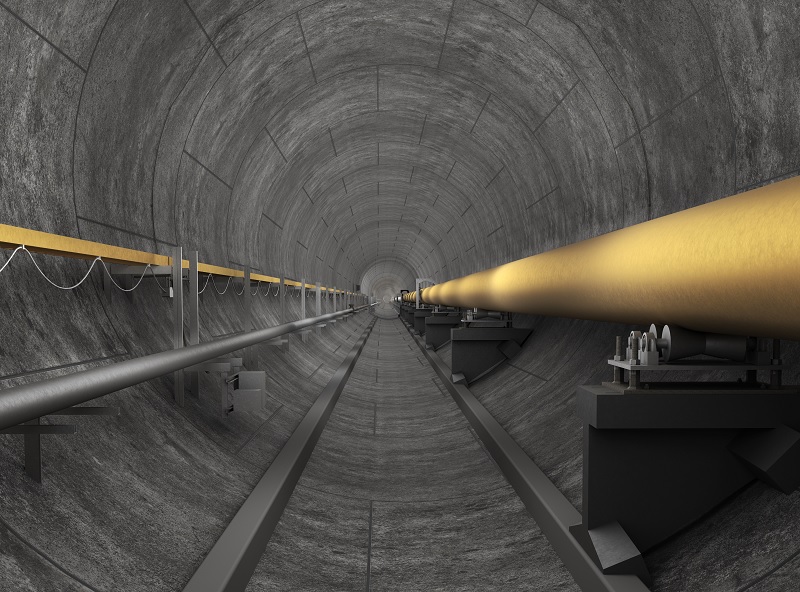
The US Army Corps of Engineers has issued a greenlight on the construction of the controversial Line 5 tunnel project. This project will be developed in the Straits of Mackinac. This project will join a list of tunnel developments in the US which include the Howard Street Tunnel.
Also, the project, which would divert a section of the Line 5 petroleum pipeline from the open waters of the Straits into a concrete tunnel beneath the lakebed, is “not contrary to the public interest.” Furthermore, it would not harm tribal treaty rights. This was revealed by the Army Corps during the announcing of the permit.
Nonetheless,the Corps noted the project would have adverse effects on endangered species and archaeological sites, that it would contribute to “long-term impacts of habitat loss” and have “long-term detrimental impacts on land use.”
While the federal approval clears a big hurdle for the nearly decade-old proposal, don’t expect construction works to start soon. The Michigan Supreme Court recently ordered state energy regulators to reconsider a separate key permit, the project remains tied up in state and federal court, and new lawsuits have been promised by opponents.
Still, Line 5 owners Enbridge Energy praised Wednesday’s decision.
Additionally, the federal permit “represents the highest standard of environmental review required for major critical energy and other infrastructure projects,” Enbridge stated in a written statement. “Line 5 is safe. Enbridge will continue operating Line 5 safely and responsibly. It will incorporate enhanced safety measures in the Straits, and protecting MicA coalition of Native American tribes that has opposed the project, meanwhile, slammed the decision.
The Project Faces Opposition
“Our federal government has a solemn obligation to uphold and protect Treaty rights and is supposed to protect American waters and sacred spaces,” Managing Attorney David Gover with the Native American Rights Fund said in a statement. “Instead, the U.S. Army Corps just rubber-stamped a Canadian oil project that desecrates a Tribal sacred space and threatens to pollute the Great Lakes.”higan’s natural and cultural resources.”
The tunnel project would likely “adversely affect” Houghton’s goldenrod and dwarf lake iris. These have been listed as threatened species under the federal Endangered Species Act, the Corps said, however that “reductions in the overall recovery, numbers, or distribution” are not expected after mitigation efforts.
Line 5 Tunnel Project Secures Other Two Key Permits
Furthermore, on July 15, Michigan’s departments of Natural Resources and Environment, Great Lakes and Energy issued two key permits for the tunnel project, despite noting disruption to Native American burial sites and harm to wetlands and rare species.
Moreover, Enbridge is seeking a permit to discharge millions of gallons of treated wastewater per day into Lake Michigan during tunnel construction. Also, EGLE is expected to rule on that by Sept. 30.
Meanwhile, the state is battling in court with Enbridge over Whitmer’s 2020 order to shut the existing pipeline down for fear that it could cause an oil spill in the Straits. Lastly, a federal judge in December ruled that Michigan had no authority to order a shutdown. However, the state has appealed the ruling.
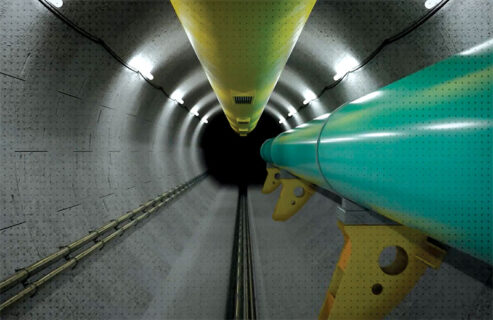
Project Factsheet
Project Name: Enbridge Line 5 Great Lakes Tunnel Project
Location: Straits of Mackinac, Michigan (connecting Upper Peninsula at Point La Barbe to Lower Peninsula at McGulpin Point)
Tunnel Length: Approximately 3.9 miles (6.3 km)
Inside Diameter: 21 feet
Tunnel Depth: 60 to 370 feet beneath the bedrock of the Great Lakes lakebed
Pipeline Replacement: Single 30-inch diameter steel pipeline housed inside the concrete tunnel
Transport Capacity: 540,000 barrels per day (22.7 million gallons/day) of light crude oil & NGLs
Estimated Capital Cost: $500M+ USD (fully funded by Enbridge)
Primary Construction Method: Underground excavation using a custom Tunnel Boring Machine (TBM)
Project Team
U.S. Army Corps of Engineers (USACE): Section 10 / Section 404 federal permits under Rivers and Harbors Act & Clean Water Act.
Michigan Dept. of Environment, Great Lakes, and Energy (EGLE): State environmental permits (wetlands, discharge, resources).
Michigan Public Service Commission (MPSC): Siting authority and approval for utility construction.
Mackinac Straits Corridor Authority (MSCA): State oversight body overseeing tunnel construction and lease operations.
Operator / Owner: Enbridge Energy Partnership



Leave a Reply