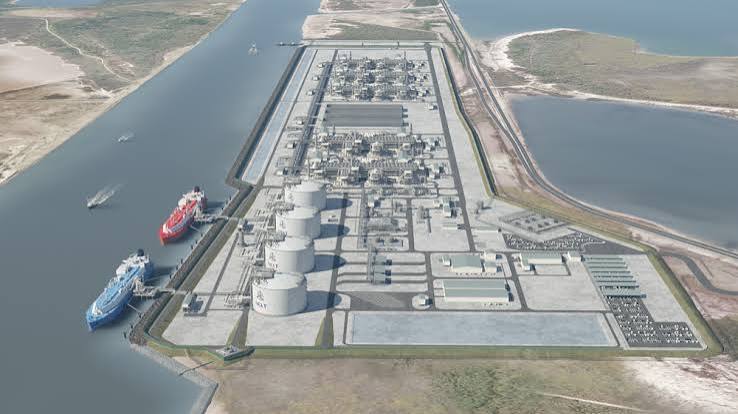
The Federal Energy Regulatory Commission has proposed the first blanket authorization program for liquefied natural gas facilities, allowing some LNG projects to proceed without separate, case-specific FERC approval orders. Announced on October 15 in Washington, D.C., the proposal would create a three-tier approval system for LNG terminals and plants across the United States. It promises faster construction and greater regulatory certainty—but only if speed does not weaken environmental review, public participation, and safety oversight.
FERC’s Notice of Proposed Rulemaking would let eligible activities at LNG facilities move forward without individual authorization orders under Sections 3 and 7 of the Natural Gas Act. The commission says the program is modeled on its 40-year-old blanket certificate system for interstate natural gas pipelines, which allows routine pipeline work to proceed through notice-based procedures rather than full case-by-case review.
The proposal comes as the United States remains the world’s largest LNG exporter and as developers and policymakers press for faster infrastructure approvals. FERC Chairman Laura V. Swett argues that consumers benefit when energy infrastructure is dependable and affordable, and that essential projects should not face unnecessary delay.
A tiered system, not a blank cheque
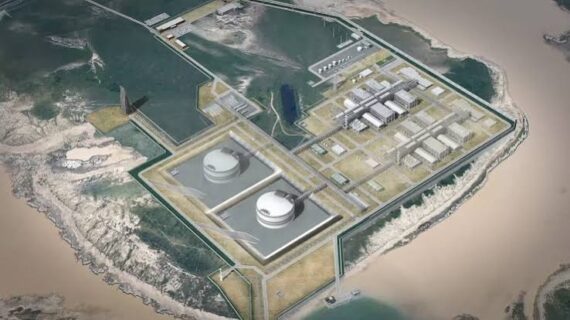
The proposal is not a blanket approval for every LNG project. Routine activities that do not increase a plant’s authorized capacity, expand its footprint, or push operations beyond design limits could proceed automatically. Activities that may increase capacity but remain within the existing plant footprint would require 60 days’ prior notice. New liquefaction trains, LNG tanks, marine berths, and related systems—including some work outside an existing plant footprint—would require 90 days’ notice.
That structure is sensible. Replacing equipment or carrying out a safety upgrade is not the same as building a new export terminal or expanding into new land or waterways. Permitting should be proportionate: low-risk work should not wait behind the same process as major construction.
FERC also proposes environmental and engineering conditions, compliance requirements, and coordination with federal and state authorities. For certain LNG terminals, those requirements could involve the U.S. Coast Guard, state agencies, and local emergency-response organizations.
The risk: speed without accountability
But the proposal raises a serious question: faster than what, and at what cost?
Environmental organizations warn that the program could allow projects to receive automatic or expedited approval without full environmental review or adequate oversight. The Sierra Club argues that it could permit methane gas projects to advance without enough scrutiny of local and regional air-quality impacts.
Those concerns cannot be dismissed as routine opposition to natural gas. LNG facilities handle hazardous materials, often operate near communities and waterways, and can affect air quality, traffic, emergency planning, and ecosystems. A process that makes approval easier must not make it harder for residents, states, and local responders to identify risks before construction begins.
The 90-day category deserves particular attention. New tanks, marine berths, and liquefaction trains are not minor modifications. Even FERC’s proposed limits—such as restricting certain expansions to no more than 25 acres of previously disturbed or developed land or waterways—cannot capture every local impact.
Public input must remain real
FERC says prior-notice projects would receive project-specific environmental analysis under the National Environmental Policy Act or qualify for a categorical exclusion. Categorical exclusions may be appropriate for genuinely minor activities, but they become problematic if applied too broadly to projects with meaningful local consequences.
The commission has opened a 60-day comment period after publication in the Federal Register. That period should be more than a legal formality. Developers, states, environmental groups, community organizations, and emergency responders should press FERC on who can protest a project, how communities will be notified, and what evidence will determine whether a project avoids fuller review.
The Constitution Pipeline Project shows why balance matters. FERC approved the Pennsylvania-to-New York natural gas pipeline in 2014, but it stalled for years after New York denied a key water-quality certification. Now, with the Department of Energy pledging up to $42 million to help revive it, the project underscores a broader concern: FERC’s push to accelerate gas infrastructure approvals should speed routine work without weakening the environmental and community reviews that determine whether major projects can proceed responsibly.
The bottom line
America needs to build and maintain energy infrastructure more efficiently. But regulatory certainty should mean developers know the rules—not that communities discover the consequences after decisions are made.
FERC’s LNG blanket authorization proposal could be a major improvement in U.S. energy permitting. It could also become a cautionary tale about confusing speed with progress. FERC should accelerate routine work, but preserve rigorous review where the stakes are highest.


Leave a Reply