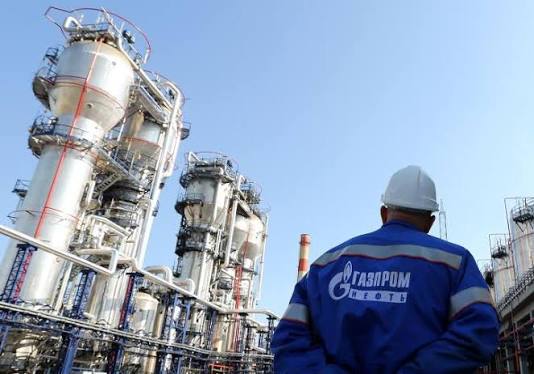
The Gazprom power plant project plan involves converting underused gas compressor stations in Russia into power generation facilities with a combined pilot capacity of 400MW.This approach also builds on Russia’s efforts to expand power generation, as demonstrated by the South Yakutian Thermal Power Plant, which has recently begun operations.
The initiative aims to address electricity shortages and support growing demand from data centres. The projects will target power-constrained regions in central and southern Russia. Additionally, the proposal will help repurpose existing gas infrastructure for domestic energy needs.

Gazprom’s 400MW Power Plant Conversion Plan
Gazprom has identified potential projects with a combined capacity of 400MW. According to company executive Anatoly Shapovalo, converting existing compressor facilities could deliver electricity faster and at a lower cost than building new power plants. Therefore, the initiative could provide an alternative route to expanding Russia’s electricity generation capacity.
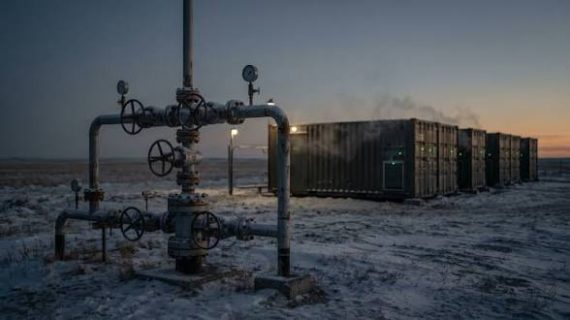
Gas compressor stations maintain pressure in pipelines to transport natural gas over long distances. However, changes in Russia’s gas export markets have left parts of its transmission infrastructure underutilised. In particular, the suspension of supplies through the Yamal-Europe and Nord Stream pipelines has reduced demand for some facilities. Consequently, Gazprom is exploring ways to reuse these assets for domestic power generation.
The proposed conversion would involve adapting selected compressor facilities for electricity generation. Moreover, existing industrial infrastructure and gas connections could help reduce development costs. However, Gazprom has not disclosed the specific locations or investment requirements for the pilot projects.

Data Centre Demand Drives New Power Generation
Meanwhile, Russia’s expanding data centre industry is increasing pressure on electricity supplies. These facilities require reliable power to operate servers, cooling systems and other digital infrastructure. According to the Energy Ministry, electricity demand from Russian data centres could triple by 2030, reaching approximately 15GW.
The Moscow region is particularly important because it hosts most of Russia’s data centres. Therefore, additional generation capacity could support the expansion of digital infrastructure while easing pressure on the electricity network. Furthermore, Gazprom already operates power generation assets in the region and southern Russia.
Russian President Vladimir Putin has also proposed a public-private partnership framework to accelerate data centre development. The proposal seeks to connect new digital facilities with existing power generation infrastructure. As a result, the compressor station conversion plan aligns with the government’s wider efforts to strengthen electricity supply for the digital economy.
 Government Support and Gazprom Power Plant Project Timeline
The Russian Energy Ministry is considering assigning Gazprom responsibility for implementing the proposed conversions. Elena Medvedeva, a ministry official, said the government could use an existing mechanism for projects in regions facing electricity shortages. This approach supports new generation where private investors are reluctant to participate because of financial risks.
Medvedeva estimates that converting the selected compressor facilities could take approximately 18 months. However, the project locations, investment costs and final implementation arrangements remain undisclosed. Therefore, further government decisions will be important in determining the programme’s progress.
The initiative could provide additional electricity while making better use of underutilised gas infrastructure. Ultimately, it reflects Russia’s efforts to link its energy resources with the growing power requirements of data centres.

Leave a Reply