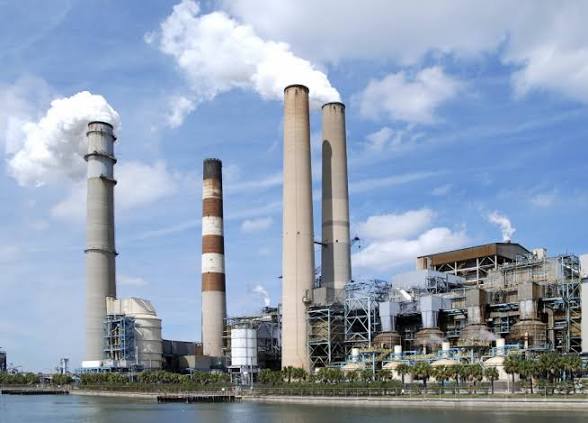
South Yakutian Thermal Power Plant in Russia has commenced operations following the commissioning of its first 110MW gas turbine unit. Gazprom brought the unit into service on November 25, 2026, at the facility in Chulman, Neryungri District, in the Republic of Sakha (Yakutia). The development marks an important milestone in expanding electricity generation in Russia’s Far East.Similarly, the Taishan Nuclear Power Plant expansion in China highlights continued investment in large-scale power generation across Asia.
Gazprom Energoholding, a subsidiary of the Gazprom Group, is responsible for the project’s development. Once fully completed, the plant will have an installed electrical capacity of 313MW. Furthermore, it will supply electricity to Russia’s Unified Energy System of the East, supporting growing demand from industrial facilities and railway infrastructure.
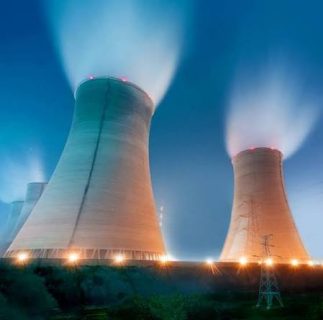
South Yakutian Thermal Power Plant Commissioning
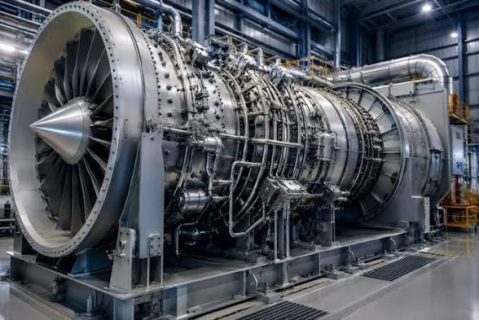
The commissioning of the first 110MW gas turbine represents the initial operational milestone for the new power station. Additionally, the project features a combined-cycle power generation unit comprising two gas turbines rated at 110MW each and a steam turbine rated at 93MW.
Consequently, the completed facility will have a total installed capacity of 313MW. The remaining equipment will be commissioned in stages as construction and testing progress. The second phase, which includes the steam turbine, is scheduled for 2027.
The plant is being constructed near Chulman in the Neryungri District. Additionally, it is designed to strengthen electricity supply in southern Yakutia, where demand is expected to increase alongside industrial development.
Natural Gas Supply and Power Generation
The South Yakutian Thermal Power Plant will use natural gas supplied through the Power of Siberia pipeline.Consequently,this connection will provide fuel for the gas turbines and support continuous electricity generation.
Moreover, the station will operate as a combined-cycle facility once all three generating units are commissioned. This configuration uses heat from gas turbine exhaust to produce steam, which then drives a steam turbine to generate additional electricity.
As a result, the plant will improve the utilisation of fuel energy compared with a simple-cycle gas turbine arrangement. It will also provide additional generating capacity for the regional electricity network.
Supporting Russia’s Eastern Railway Infrastructure
A major purpose of the project is to strengthen electricity supply to the Eastern Railway Polygon, a strategic railway development corridor managed by Russian Railways (RZD). The corridor supports freight transportation and logistics links between Russia and Asian markets.
Therefore, the new power station is expected to help meet the electricity requirements associated with railway expansion and modernisation. It will also support industrial consumers and future economic development in southern Yakutia.
In addition, the plant is expected to improve the reliability of the regional power system. Its commissioning comes as electricity consumption increases across Russia’s Far East, creating demand for additional generation capacity.
South Yakutian Thermal Power Plant Development and Construction
Construction of the South Yakutian Thermal Power Plant began in June 2024. The project involves several companies responsible for construction management, engineering and equipment installation.
TEK Mosenergo, part of the Natsproektstroy Group, serves as the general contractor. Meanwhile, Chulman TPP LLC is identified as the project customer, while GEH Engineering is responsible for project monitoring.
Earlier construction milestones included the assembly of two gas turbines and installation of electrical infrastructure. In March 2026, Natsproektstroy also confirmed progress on turbine installation and associated plant systems.
The commissioning of the first turbine now moves the project from construction into operational deployment. However, further work remains before the facility reaches its planned 313MW capacity.

Leave a Reply