Heathrow third runway project is moving deeper into its financing phase as the proposed £49 billion expansion faces a £9 billion passenger funding request. The proposed pre-funding could add about £8.50 to tickets while supporting early investment before construction starts.
However, airlines oppose the approach because passengers could pay higher charges before Heathrow receives development consent. The funding debate now adds another major hurdle to the airport’s long-running expansion plans.
Meanwhile, Heathrow’s wider expansion combines runway construction, new terminal capacity and major infrastructure improvements.
The project would transform Heathrow’s existing two-runway operation into a substantially larger aviation hub. Therefore, its financing structure will influence both construction delivery and future airport charges.
Heathrow third runway project enters a critical funding stage
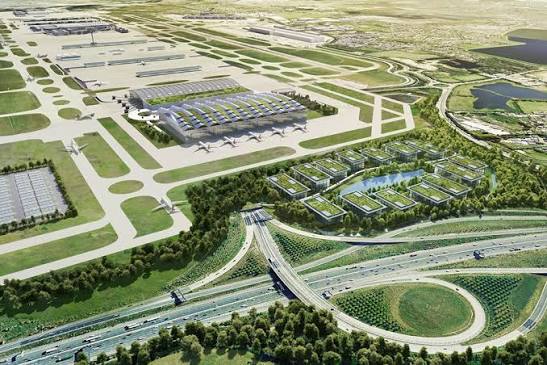
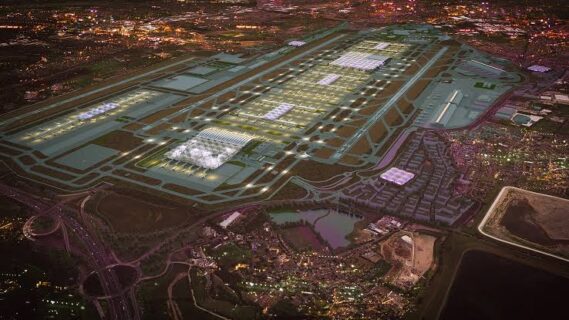
The Heathrow third runway project includes a 3,500-metre northwest runway designed for aircraft of different sizes. The runway represents approximately £21 billion of the wider program’s investment.
Additionally, Heathrow plans new terminal capacity alongside the runway and supporting airfield infrastructure. The wider program also includes major upgrades to existing airport facilities.
The project would increase Heathrow’s annual passenger capacity from about 84.5 million to approximately 150 million. Furthermore, annual aircraft movements could rise from about 480,000 to approximately 756,000.
The expansion would require extensive surface infrastructure around the airport. Heathrow plans to reroute the M25 motorway through a tunnel beneath the proposed runway.
The airport also plans additional terminal facilities and major improvements around Terminal 2. These works would support the increased passenger volumes generated by the expanded airport.
However, Heathrow still needs development consent before it can begin major construction. The current process therefore remains focused on planning, design, regulation and stakeholder engagement.
In June 2026, the UK Government launched consultation on the draft Heathrow Expansion National Policy Statement. The consultation provides the policy framework for assessing future Heathrow expansion proposals.
The government selected Heathrow Airport Limited’s Northwest Runway proposal for the policy review in November 2025. However, the policy statement itself does not grant permission for construction.
Heathrow third runway project faces passenger cost debate
The proposed £9 billion passenger pre-funding request has shifted attention toward who should finance expansion before delivery. Heathrow wants a regulatory framework that can support private investment for the major infrastructure program.
The Times reports that the proposed funding could add approximately £8.50 per passenger. The additional amount would come on top of existing airport charges paid through airline operations.
Airlines have challenged the proposal because passengers could ultimately absorb costs before the runway becomes operational. International Airlines Group, which owns British Airways, has criticized the transfer of financial risk.
The Civil Aviation Authority has already approved recovery of eligible early expansion costs. Its July 2026 final decision allows Heathrow to recover efficient costs from 2025 and 2026.
The regulator capped those recoverable early costs at £320 million in 2024 prices. Those costs include planning and development work required for the future consent application.
However, the £9 billion proposal would represent a significantly larger financing requirement. Consequently, Heathrow’s regulatory arrangements will remain central to the project’s financial structure.
The CAA is also developing a broader regulatory framework for Heathrow’s future expansion. Stakeholders have until August 13, 2026, to comment on the regulator’s latest approach.
Meanwhile, the government continues examining environmental and economic issues surrounding the proposed expansion. The draft policy framework specifically considers climate, air quality, noise and economic growth.
Also read: Heathrow Third Runway Construction Project Faces Rival $67 billion Expansion Bids
Heathrow third runway project advances toward construction
Despite the financing dispute, the Heathrow third runway project continues progressing through the planning process. Heathrow aims to prepare a future Development Consent Order application for the expansion.
The project therefore remains several stages away from full construction. Major contractors and construction partners have not yet received final delivery appointments.
Heathrow’s proposed program targets development consent around 2029. The airport expects the third runway to become operational by 2035.
The construction program could generate substantial demand for civil engineering, tunneling, airport systems and building contractors. It would also require extensive logistics planning around one of Europe’s busiest airports.
Moreover, the M25 realignment would create a major transport infrastructure component within the expansion. The tunnel would allow the new runway to cross the motorway corridor.
The expansion also carries significant community and environmental considerations. Government policy requires future proposals to address those issues before authorities can grant development consent.
For now, financing remains one of the project’s most important development questions. The proposed passenger contribution could determine how Heathrow structures investment before construction begins.
The outcome will also influence airlines, passengers, investors and contractors connected to the expansion. Therefore, the £9 billion funding request has become a critical milestone for Heathrow’s construction ambitions.
Heathrow’s expansion is not the only major UK airport construction programme seeking additional capacity. London Luton Airport expansion also involves major terminal, airfield and surface-access improvements, with plans targeting an increase from 18 million to 32 million passengers annually.
Also read: Heathrow Expansion Plans £2.6 billion Car Park in Wider £24 billion Program
Project fact sheet
Project: Heathrow third runway project and associated Heathrow Airport expansion
Location: Heathrow Airport, west London, United Kingdom
Project value: £49 billion
Approximate total value: $66 billion
Passenger pre-funding sought: Up to £9 billion
Approximate passenger funding value: US$12.2 billion
Third runway investment: Approximately £21 billion
Proposed runway: Northwest runway
Runway length: 3,500 metres
Passenger capacity: Increase from approximately 84.5 million to 150 million annually
Aircraft movements: Increase from approximately 480,000 to 756,000 annually
New terminal infrastructure: Additional terminal capacity linked to the expansion
Existing infrastructure: Major Terminal 2 and central terminal area improvements
Road infrastructure: M25 realignment with a tunnel beneath the proposed runway
Project status: Planning and regulatory development
Government policy status: Draft Heathrow Expansion National Policy Statement under consultation
Development consent: Required before major construction can proceed
Target planning timeframe: Development consent targeted around 2029
Target operations: Third runway targeted for operation by 2035
Early-cost recovery: Up to £320 million for eligible 2025 and 2026 costs
Main construction scope: Runway, taxiways, terminals, airfield infrastructure, tunneling and surface access
Funding model: Private investment supported through Heathrow’s regulated economic framework
Passenger funding issue: Proposed £9 billion pre-funding through airport charges
Key regulatory issue: Balancing expansion investment with passenger and airline protection
Environmental considerations: Climate, air quality, noise and community impacts
Economic objective: Increase airport capacity and strengthen the UK’s international connectivity
Project team
Project owner: Heathrow Airport Limited
Airport operator: Heathrow Airport Limited
Government department: UK Department for Transport
Aviation regulator: UK Civil Aviation Authority
Planning framework: Heathrow Expansion National Policy Statement
Development consent authority: Planning Inspectorate through the Development Consent Order process
Principal project sponsor: Heathrow Airport Limited
Financial structure: Private-sector investment supported through regulated airport charges
Airline stakeholder: International Airlines Group
Major airline within IAG: British Airways
Regulatory oversight: UK Civil Aviation Authority
Technical assessment adviser: Steer
Financial assessment support: Centrus
Government planning role: Department for Transport
Regulatory role: CAA, covering charges, early-cost recovery and expansion regulation

Leave a Reply