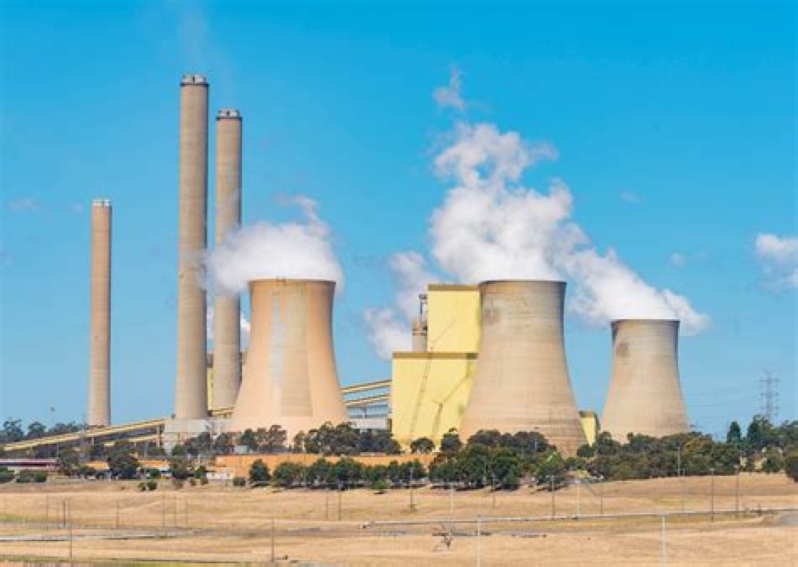
APA Group plans to develop the Keralup Energy Hub, a 870 MW gas-fired power plant station paired with battery energy storage system (BESS) in Western Australia.
The proposed Keralup Energy Hub is planned for Lot 9501 in the City of Rockingham. Supporting infrastructure will be on Lot 9503 in the Shire of Murray, approximately 53 kilometers south of Perth. The project is being advanced by APA KPS Pty Ltd, an APA Group entity. It will provide electricity for a future industrial customer before adding substantial generation capacity to Western Australia’s main electricity grid.
Project’s consultation process
The proposal entered an initial environmental referral consultation process on October 26, 2026, with the Western Australian Environmental Protection Authority (EPA) inviting public comment until November 1, 2026. At this stage, the EPA is seeking feedback to determine whether the proposal requires formal environmental assessment and, if so, the appropriate level of assessment. Keralup gas-fired power station and battery storage project has not yet received environmental approval.
Keralup Energy Hub to be developed in two stages
The proposed development comprises two gas-fired power generation facilities with different operating arrangements and intended customers.
Stage 1
The first component is a temporary 210 MW gas-fired power supply intended to serve a potential future industrial client at Lot 9503. It would operate as an islanded power network. This means it the initial supply would operate independently of the South West Interconnected System (SWIS), Western Australia’s main electricity grid.
The temporary facility will address the industrial customer’s immediate electricity requirements while a longer-term grid-connected arrangement is developed. The proposed staged approach would also allow the industrial operation to obtain power before the permanent generation facility is connected to the wider network.
Stage 2
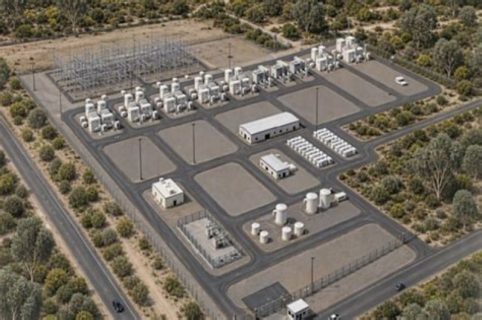
The second component is a permanent 660 MW gas-fired power station incorporating a battery energy storage system (BESS). Unlike the initial islanded facility, this installation is proposed to connect to the SWIS. The 660 MW gas-fired power station and BESS at Keralup will add generation and storage infrastructure to the state’s electricity supply system.
Combined, the two facilities would have a proposed generation capacity of 870 MW. If approved and constructed at the proposed scale, Keralup would exceed the 576 MW capacity of the existing Pinjar gas-fired power station. This will make Keralup Energy Hub the largest gas-fired power station by capacity in Western Australia.
Battery storage and grid integration form part of the Keralup Energy Hub project
The proposed inclusion of battery storage alongside the 660 MW facility adds an important infrastructure component to the Keralup Energy Hub in WA.
Grid-scale batteries can store electricity and discharge it when required. This helps manage short-term fluctuations in demand and generation. However, their effectiveness in supporting grid reliability depends on factors including storage capacity and discharge duration. Operating plan and the conditions of the connected electricity network also factor in.
For Western Australia, the proposed facility comes as the state plans to increase the share of renewable electricity on the SWIS from approximately 40% to 75% by 2030-2031. The government has identified wind, solar and batteries as key elements of this expansion. Gas is expected to support electricity supply as the energy mix changes.
The Keralup gas-fired power station and battery storage project proposal sits at the intersection of industrial power demand and broader electricity system planning. However, its ultimate contribution to grid reliability and the renewable energy transition will depend on its approved design and operating arrangements. Battery specifications and eventual connection to the SWIS also ought to be considered.
Environmental assessment to examine a substantial development footprint
The proposed Keralup Energy Hub covers a development envelope of approximately 452.4 hectares. It also has a disturbance footprint of 281 hectares, according to the EPA’s referral information.
The proposal includes clearing native vegetation and other land within the development area. The EPA’s published referral information also identifies approximately 251.1 hectares of native vegetation clearing. Additionally, the consultation documentation separately describes 159 hectares of native vegetation and 91.4 hectares of blue gum plantation within the disturbance footprint.
The environmental assessment process will also be important in determining the potential impacts of the development and the conditions that may be required if it proceeds. Relevant considerations include vegetation clearing, biodiversity, construction-related disturbance and the effects associated with operating a large gas-fired power generation facility.
Also noteworthy is that the referral is an early regulatory step rather than a final determination on the project’s environmental acceptability. Following the initial public comment period, the EPA will determine whether and how the proposal should be assessed under Western Australia’s environmental approval framework.
Keralup gas-fired power station and battery storage project highlights Western Australia’s competing energy priorities
The proposed Keralup energy hub development comes as Western Australia seeks to expand renewable energy generation. This is while maintaining reliable electricity supplies for industrial and commercial consumers.
WA government has also warned that electricity prices for businesses could rise by 89% by 2032 without a substantial increase in renewable generation. At the same time, it is pursuing the closure of state-owned coal-fired power stations by the end of the decade. The state is also targeting net-zero greenhouse gas emissions by 2050.
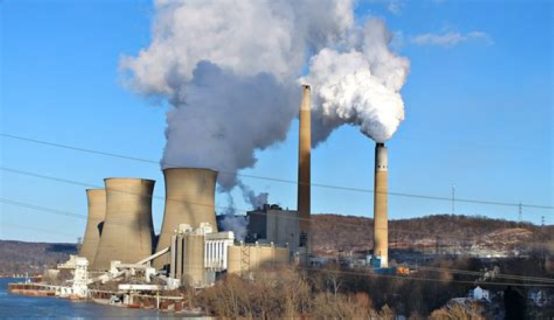
Against this backdrop, the proposed Keralup facility is the face of a continuing role being considered for gas-fired generation as Western Australia. The state also continues to develop additional renewable energy and storage infrastructure.
For construction and engineering companies, the project could create a lot of opportunities. This will be across power generation equipment, civil works, electrical systems, gas infrastructure, battery installation and associated site services if the relevant approvals are secured. The proposed industrial supply arrangement could also require supporting infrastructure to connect the facility with its eventual customer.
However, the project’s construction timetable, capital cost, engineering contractors and equipment suppliers have not yet been made public.
The next major milestone is the EPA’s decision on the environmental assessment for the Keralup gas-fired power station and battery storage project in Western Australia. Until that process and the necessary approvals advance, the Keralup Energy Hub remains a plan in the making.
Keralup Energy Hub project fact sheet
Project owner and developer: APA Group
Proponent: APA KPS Pty Ltd
Location: Keralup, WA. Approximately 53 km south of Perth.
Total proposed generation capacity: 870 MW
Temporary facility: 210 MW gas-fired power supply
Permanent facility: 660 MW gas-fired power station with battery energy storage
Initial operating arrangement: Islanded network serving a potential future industrial customer
Permanent connection: South West Interconnected System (SWIS)
Development envelope: 452.4 hectares
Disturbance footprint: 281 hectares
Environmental status: Initial referral consultation started.
Public comment period: October 26 – November 1, 2026
Project status: Planning phase
Who is involved in the Keralup gas-fired power station and battery storage project?
APA Group
APA KPS Pty Ltd – Responsible for the environmental referral.
Environmental Protection Authority (EPA), Western Australia – Responsible for determining the environmental assessment pathway.
City of Rockingham – Local government area associated with Lot 9501.
Shire of Murray – Local government area associated with supporting infrastructure on Lot 9503.
South West Interconnected System (SWIS) – The electricity network to which the permanent 660 MW facility is proposed to connect.



Leave a Reply