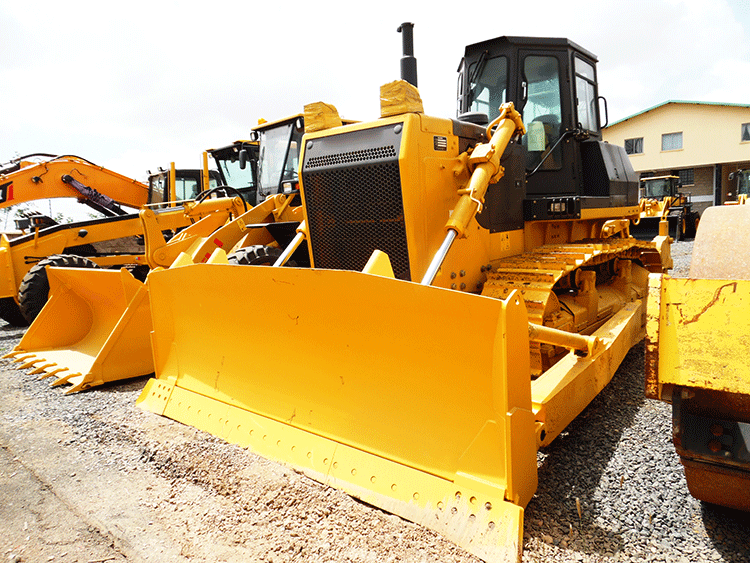
Purchasing an excavator, wheel loader, or bulldozer requires a significant financial commitment from a construction company. Reliable machinery is essential for keeping projects on schedule, yet spending a large amount on a single purchase can leave contractors short of funds for wages, materials, and unexpected site expenses. This is why many businesses turn to heavy construction equipment financing to spread acquisition costs over time. These companies help contractors find financing arrangements suited to their operational needs, including asset-backed solutions, flexible repayment terms, and monthly payment planning tools. These options allow construction businesses to invest in necessary machinery while keeping their day-to-day expenses under control.
This is decided when the contractor gets a new project or discovers some issue with their current equipment. A company intending to start excavation of foundation for a commercial development might need another excavator. The purchase of it will make the company spend the money that it would use for delivery of concrete, subcontractors or other expenses on the job-site.
Construction Equipment Financing
Financing of construction equipment allows construction companies to get their equipment via loans, leasing, or financing of equipment. Such equipment normally serves as collateral for the loan.
The first step in the financing of construction equipment is getting the equipment. Factors influencing the terms of financing include the cost of acquisition of the machinery, its age, condition, longevity, and probable resale value. Other considerations of lenders include the contractor’s financial position, examining such things as the amount of money earned and current debt.
For instance, consider a wheel loader valued at $180,000 that is purchased by a construction firm which pays a down payment of $30,000 and splits the balance of $150,000 over a period of five years. Payments can then be worked out.. After the agreement is made, the financing is approved and the contractor is able to get the loader and use it on active construction sites.
Various financing arrangements include:
- Equipment loans: The contractor buys equipment using money borrowed and pays off the remainder as per an agreed schedule. Equipment usually acts as collateral for the loan.
- Equipment finance agreements: Such agreements offer a way to acquire equipment through a payment plan, where the terms are set out in the finance agreement.
- Equipment leases: The contractor acquires the right to use the equipment for a specified period. Some agreements give the option of buying the equipment at the end of the term.
- Used equipment financing: Contractors may finance used equipment that meets certain lender criteria regarding age and value.
The proper structure highly relies on the intended use of the machine. Excavators to be used for many days and years ahead are a financial commitment on their own. The machine that is specifically designed for a certain construction program has to be thoroughly considered in terms of workload and disposal.
Monthly Payments to Match Cash Flow
It should be clear that the money from construction contracts comes at an uncertain time. Operators and diesel fuel are paid long before the completion of the project.
Imagine a civil contractor undertaking a drainage installation program. This contractor requires a tracked excavator and a compact loader during the early excavation stage. Both machines start to incur operational costs right away, but the client pays based on monthly certificates of progress.
Loan payments then form another obligation in this schedule. The lending institution could allow monthly, quarterly, or seasonal loan repayments, depending on the nature of the program and the ability of the borrower. Proper choice of payment dates could assist in having sufficient funds for daily operations.
These calculators are helpful when making plans at the initial stages. After inputting the cost of the equipment, the amount to pay down, the approximate interest, and the repayment time frame, the contractor can calculate the recurring financial obligation.
This calculation does not end with the payment of the loan. Insurance, transport, maintenance, fuel, attachments, and labor costs form the operating cost of the machine.
A contractor looking at an excavator costing $120,000 needs to make a monthly budget with both the financing cost and the operating cost of the machine. This makes it easier for management to determine how much productive work the machine needs to perform to justify the expense.
Construction firms should also have a cash buffer. It is because there could be issues such as bad weather, permit issues, design changes, and delayed payments from the client that can cause a delay in the project.
Evaluation of Equipment Prior to Financing
There are other things besides the purchase price of the machine that are vital in the analysis. The equipment manager needs to understand what the machine is capable of.
For example, take a look at a local construction company that wants to buy a used crawler excavator to dig trenches. In order to finance the equipment, the equipment manager must take into account the condition of the equipment..
The equipment could have problems with the tracks or hydraulic hoses nearing replacement. This information is important to the equipment budget since there will be repairs required soon after delivery.
The following evaluations can save contractors from making expensive acquisitions:
- Ensure that there is enough capacity and proper attachments to carry out the desired tasks.
- Check the maintenance record and get an independent check on the equipment when buying second-hand machinery.
- Consider availability of spares, service from dealers, and repair issues.
- Make sure that the equipment has a correct serial number and ownership papers, and there are no existing liens on the equipment.
- Take into consideration operating costs together with loan costs.
- Consider interest, fees, insurance, prepayment options, and end of term considerations.
Utilization of the equipment needs special consideration. The equipment bought for one major project may not be used once that project is completed. The contractors need to look at the future projects and find other places where the equipment can be put to use.
The payment period needs to be realistic according to the useful life of the equipment. Extending payments beyond the life span of an aging equipment can cause problems when repair costs start increasing and there is still a balance left.
Constructing a Practical Equipment Purchase Plan
Equipment financing is most effective when purchasing is linked with construction workloads. If a contractor intends to expand his earth moving activities, he should begin by looking at the existing projects, machine hours, and maintenance capabilities.
The first thing to do is to determine whether there is equipment shortage. Frequent rentals, breakdowns, and scheduling conflicts are some indicators that another piece of equipment needs to be purchased.
Then follows the acquisition budget. Contractors need to consider delivery, attachments, insurance, registration when necessary, and any repair needed before the machine is put into use.
Then, financing options should be thoroughly considered. The monthly payment should be known, together with the total sum to be repaid, the initial payment, any security involved, and contract terms. Contractors should know the whole payment plan before agreeing on it.
Finally, the performance of the machine needs to be analyzed after the purchase. Recording of working hours, breakdown times, cost of maintenance, and work done will help management decide if the machine performs up to expectations.
Wheel loaders that sit idle for several weeks are still subject to financing and insurance costs. Proper equipment records will show all these costs and assist in scheduling machines for active construction sites.
Heavy machinery is a serious commitment to operations. With a good financing option, contractors will be able to acquire the needed equipment and have money left for construction processes. With the right financing terms, related to workload, payment cycles, and maintenance, financing becomes a helpful tool for fleet management.