A decade ago, the line between “the people who remodel your house” and “the people who redo your yard” was pretty firm. Interior renovation firms stuck to interiors. Landscaping companies stuck to plants, irrigation, and maybe a basic patio. If a homeowner wanted a kitchen remodel and a new backyard, they were usually hiring two separate businesses and doing their own coordination between them.
That line has been eroding for a while now, and it’s worth asking why, because the answer says something about where residential construction is actually headed.
The outdoor space stopped being an afterthought
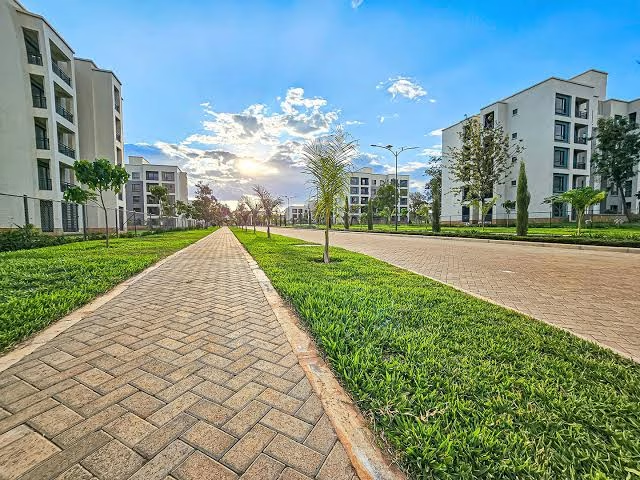
The simplest explanation is that homeowner expectations changed. Outdoor living used to mean a lawn and maybe a grill. Now it routinely means a full outdoor kitchen, a covered lounge area, fire features, retaining walls solving a drainage problem that’s been bothering someone for a decade, and lighting design that extends the usable hours of the space well past sunset. That’s not a landscaping project anymore in the old sense of the word. It’s construction — foundations, drainage engineering, sometimes structural retaining work that requires the same permitting rigor as an addition.
Once the scope of “backyard work” started looking like actual construction, it made less and less sense for it to sit outside a general contractor’s core offering. The skill sets started overlapping too much to keep treating them as separate trades run by separate companies.
Permitting pressure pushed firms toward consolidation
There’s a more practical driver too. Retaining walls above a certain height, drainage systems tied into a property’s grading, anything touching a slope or a structural condition — most of that now requires permits and, in a lot of jurisdictions, engineering sign-off. A landscaping company built around planting and irrigation typically isn’t set up to navigate that kind of regulatory process. A design-build general contractor, by contrast, already has permitting infrastructure built into how it operates, because that’s exactly what it does for every interior renovation it takes on.
So the firms that ended up absorbing hardscape and landscape work well weren’t just chasing a new revenue line. They already had the permitting and project-management muscle the newer, more construction-heavy backyard projects actually required. Landscaping companies without that infrastructure increasingly found themselves referring out the more complex jobs, which created an obvious opening for design-build firms to step in and take the whole project instead of just half of it.
What this looks like in practice
One design-build firm operating out of San Diego since 2010 is a useful example of how this plays out on the ground. The company built its reputation on interior renovation work — kitchens, full-home remodels, additions — and has since folded landscape and hardscape into that same design-build structure rather than treating it as a bolted-on side service. Patios, retaining walls, drainage, pergolas, outdoor kitchens: all run through the same consultation-to-permitting-to-construction pipeline the company already uses for its interior projects.
That structural choice matters more than it might look like on paper. A homeowner doing a full-home renovation who also wants their backyard redone doesn’t need to manage two separate contracts, two separate permit timelines, or two crews that have never coordinated with each other before. Getting landscape and hardscape services from Milan as part of the same project scope as the interior work means one team is accountable for how the whole property comes together, rather than an owner playing go-between on a project that spans indoor and outdoor space.
Why this trend probably keeps going
There’s a reasonable argument that this consolidation trend has further to run. Labor markets remain tight enough that owners value fewer points of contact, not more. Homeowners increasingly think of a renovation as one project encompassing the whole property, indoors and out, rather than two separate initiatives that happen to be running at the same time. And design-build firms that have already invested in the permitting and project-management systems needed for complex interior work are, frankly, well positioned to apply that same infrastructure to backyard construction without much additional overhead.
The firms slower to make this shift aren’t necessarily doing anything wrong — plenty of homeowners still want a dedicated landscaping specialist for planting design and ongoing yard maintenance, which isn’t really a design-build firm’s strength anyway. But for the category of project that’s really construction wearing a backyard costume — retaining walls, drainage, structural hardscape, built-in outdoor living features — the firms set up to handle both sides of the property under one roof are the ones increasingly winning that work.