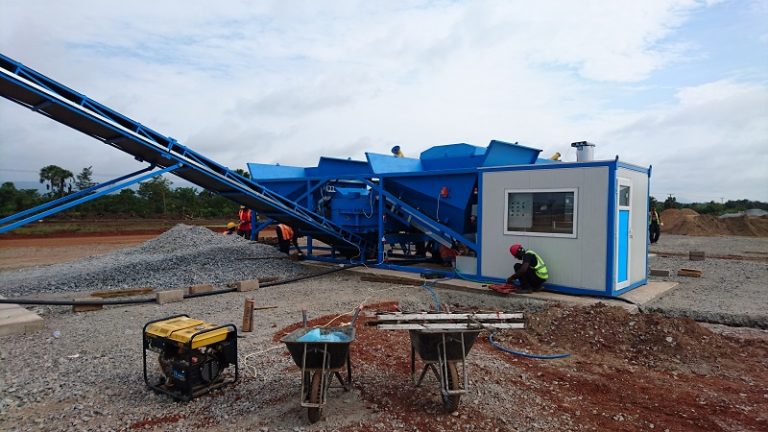
Construction and engineering firms have spent the last several years adopting technology at a pace that would have seemed unlikely a decade ago. Drones survey job sites, sensors track material stress, and scheduling software predicts delays before they happen. Now artificial intelligence tools are moving into project management workflows, helping teams forecast costs, flag safety risks, and streamline communication between field crews and office staff. With this shift comes a responsibility that many firms have not fully addressed: establishing clear, practical policies that govern how employees actually use these tools day to day.
AI adoption in construction is not a passing trend. Project managers are using generative tools to draft RFIs, summarize meeting notes, and even model scheduling scenarios based on weather patterns or supply chain data. Estimators are feeding historical bid data into machine learning models to sharpen pricing accuracy. Superintendents are using AI-powered image recognition to compare daily site photos against building plans and catch discrepancies early. These applications save time and reduce costly errors, but they also introduce new categories of risk that traditional project management manuals never anticipated, from data handling questions to accountability for AI-generated recommendations that turn out to be wrong.
Firms that want to use these tools responsibly need more than a vague statement encouraging “innovation.” They need documented, specific guidance that tells employees what is permitted, what requires approval, and what is off limits entirely. This is where acceptable use policies come in, and it is worth noting that businesses outside construction have already done substantial work developing frameworks that translate well into this industry. Resources like the ai acceptable use policy ideas for akron area businesses guide offer a useful starting point for firms in Ohio and beyond that are building their first formal policy from scratch rather than reinventing the wheel.
The Role of AI in Modern Construction and Engineering Workflows
AI tools now touch nearly every phase of a project’s lifecycle, from preconstruction planning through closeout documentation. During bidding, machine learning models analyze past project data to help estimators identify pricing patterns and reduce the guesswork that historically drove over- or under-bidding. During execution, predictive analytics tools flag scheduling conflicts before they cascade into delays, and computer vision systems monitor job sites for safety compliance issues that a human walkthrough might miss. Engineering teams are also using generative AI to draft preliminary design documentation, though final specifications still require licensed professional review.
The residential construction sector illustrates why this matters at scale. According to the U.S. Census Bureau’s New Residential Sales data, the volume of new home starts and sales fluctuates significantly with market conditions, and firms that can forecast these shifts accurately gain a real competitive advantage. AI-assisted forecasting tools are increasingly part of how larger builders and engineering firms attempt to stay ahead of these fluctuations, making policy clarity around their use a business necessity rather than an IT afterthought.
Key Components of an Effective AI Acceptable Use Policy
A well-constructed policy should address several core areas without becoming so dense that employees ignore it. First, it should define which AI tools are approved for company use and which require review before adoption, since project teams often experiment with new software without formal sign-off. Second, it should clarify ownership and confidentiality expectations, particularly around proprietary design documents, client information, and bid data that should never be uploaded into public AI platforms. Third, the policy should specify who is accountable when an AI-generated recommendation, whether it’s a schedule projection or a cost estimate, turns out to be inaccurate.
Beyond these basics, firms should include guidance on human oversight requirements, particularly for anything touching structural calculations, safety assessments, or client-facing deliverables. AI outputs should be treated as a starting point for review by a qualified professional, not a final answer. Training expectations also belong in the policy, since employees who are not shown how to prompt these tools effectively or how to spot inaccurate outputs are more likely to misuse them or distrust them entirely, undermining the investment altogether.
Data Security and Compliance Considerations
Construction firms handle sensitive client data, proprietary designs, and sometimes regulated information tied to government contracts. Policies need to specify what categories of data can never be entered into third-party AI platforms and what encryption or access controls apply to internal AI tools. Firms working on public infrastructure projects may also face specific compliance obligations that limit which AI vendors can be used at all, making legal review an essential step before policy finalization.
| Policy Element | Typical Adoption Rate Among Mid-Size Firms |
| Approved tool list | 62% |
| Data handling rules | 48% |
| Human review requirements | 71% |
| Employee training program | 39% |
Implementation Best Practices for Regional Businesses
Rolling out a policy successfully requires more than distributing a document. Firms should introduce the policy through a short training session that walks employees through real examples relevant to their daily work, whether that’s an estimator using AI for takeoffs or a project manager summarizing subcontractor reports. Leadership buy-in matters too, since employees are far more likely to follow guidelines when they see supervisors modeling the same behavior consistently across projects and job sites.
Firms should also designate a point person, often someone in operations or IT, who can answer questions as new AI tools emerge and update the policy accordingly.
Common Pitfalls and How to Avoid Them
The most frequent mistake firms make is writing a policy once and never revisiting it, even as AI tools evolve rapidly and employee usage patterns shift. Another common issue is drafting language so vague that it provides no real guidance, leaving employees to interpret the rules however they see fit. Firms also sometimes fail to involve field staff in policy development, resulting in rules that make sense for office workflows but ignore how superintendents and crews actually use these tools on site.
Avoiding these pitfalls requires treating the policy as a living document, reviewed at least annually and updated whenever new tools are adopted company-wide. Gathering feedback from employees across departments before finalizing revisions also helps ensure the policy reflects actual working conditions rather than assumptions made in a conference room.
Measuring Policy Effectiveness and Continuous Improvement
Firms should track metrics such as policy acknowledgment rates, incident reports tied to AI misuse, and employee feedback collected through periodic surveys. These indicators help leadership understand whether the policy is actually shaping behavior or simply sitting in an employee handbook unread. Regular audits of AI tool usage across project teams can also reveal gaps between written policy and actual practice, prompting timely adjustments before small issues become larger liabilities.
Future-Proofing Your Construction Operations
AI is not going away from construction project management, and firms that build thoughtful, adaptable use policies now will be better positioned as these tools become even more embedded in daily operations. A strong policy protects the firm legally, supports employees in using new tools confidently, and ultimately helps projects run more efficiently from bid to closeout. Firms that treat this work as ongoing rather than one-time will find themselves far better prepared for whatever AI capabilities arrive next.