Construction sites move quickly. Schedules compress, weather shifts, designs change, and crews are expected to deliver quality work under pressure most industries never see. In that environment, the difference between a project that finishes strong and one that unravels usually comes down to the strength of the team on the ground. You can rent equipment and order materials. A crew that trusts its leadership and understands its purpose has to be built, one relationship at a time.
Few people understand that reality better than John Carney, a civil construction consultant based in Clarksville, Tennessee, who spent more than fifteen years working his way up from equipment operator to site superintendent before founding his own consulting firm, C3GCLLC. Along the way, he supervised multiple crews across complex site development projects, managed portfolios exceeding thirty million dollars, and earned recognition from his employers for both performance and character.
What he took from those years amounts to a practical blueprint for anyone trying to build teams that hold together when the pace picks up.
Leadership Starts with Being Able to Do the Job
One belief has shaped his approach to leadership more than any other: to climb the ladder, someone below you must be able to do your job. That idea changes how a leader operates on a job site. Rather than guarding knowledge to protect a position, the strongest leaders give it away freely; developing the person behind you is the only way to move forward yourself.
He lived this one. During his time as a superintendent with a full-service grading and utility contractor, he spotted a promising member of his own crew, mentored him into a team lead role, and in doing so opened the door to a superintendent position for himself. The promotion didn’t come from politics or timing. It came from workforce development done deliberately, one person at a time.
Leaders who have performed the work themselves also carry a credibility that can’t be faked. Someone who started in the operator seat knows what a realistic production day looks like, what fatigue does to focus, and what crews actually need from management.
That firsthand perspective builds trust fast, and trust is the currency fast-paced environments run on. When a superintendent asks a crew to push through a hard stretch, the request lands differently coming from someone who has sat in that seat.
Hands-on leadership also means staying visible. Field-driven projects change by the hour, and leaders who manage from a trailer miss the small signals that predict big problems. Walking the site, talking with operators, and reviewing conditions in person keeps decisions grounded in what’s actually happening instead of assumptions.
Communication and Coordination Keep Fast Projects on Track
Speed without alignment creates chaos. On multi-crew civil projects, the most common source of wasted time isn’t equipment failure or weather. It’s crews working hard in directions that don’t match, because nobody connected the dots between them.
The fix is disciplined coordination. Regular coordination meetings that align crews around shared timelines give everyone the same picture of the project, so grading, utilities, and site preparation move in sequence instead of in conflict. These meetings don’t need to be long. They need to be consistent, honest, and focused on what each crew needs from the others to succeed that week.
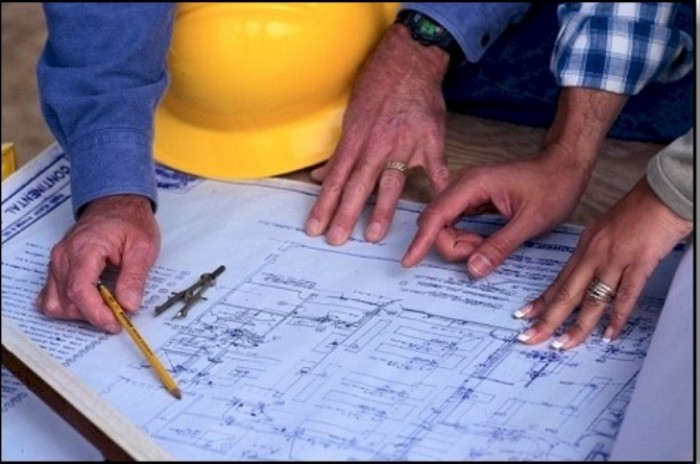
Reviewing design and submittal information continuously is another underrated habit. Problems caught on paper cost a conversation. Problems caught in the field cost days, rework, and morale. Leaders who make a routine of studying design documents ahead of the work can streamline workflow before crews ever mobilize, and they spare their teams the frustration of building something twice.
Values matter here too. One of the awards John Carney received during his superintendent years recognized a company value summarized as keeping it humble, open, and transparent. That’s a fair description of the communication culture high-performance teams require.
Humble means admitting what you don’t know. Open means sharing information instead of hoarding it. Transparent means telling crews the truth about schedules, budgets, and expectations, even when the truth is uncomfortable. Teams can handle difficult news. What breaks them is finding out leadership hid it.
Safety Culture Is the Foundation of Performance
There’s a persistent myth in construction that safety and production compete, as if every minute spent on a safety briefing is a minute stolen from the schedule.
Experienced site leaders know better. The safest crews are consistently the most productive, because safety culture and performance culture are built from the same raw materials: attention, discipline, communication, and care for the people doing the work.
The principle underneath a genuine safety culture is personal. Every employee deserves to go home to their family unharmed at the end of every shift. When leadership treats that as nonnegotiable, crews notice. They understand their health and their families come before production numbers, and that understanding produces a loyalty no bonus program can match. People give their best effort to leaders who show they value the person over the output.
Building that culture takes structure, not just sentiment. Risk assessments before work begins, regular safety planning and briefings, and consistent education around OSHA standards turn good intentions into daily practice.
Certifications matter as well, not as resume lines but as proof that leadership takes the responsibility seriously. Credentials in construction safety, excavation and competent person training, confined spaces, traffic safety, and first aid with CPR give a leader the knowledge to spot hazards before they become incidents.
None of this is luck. Managing more than thirty million dollars in projects with consistent safety and quality outcomes is what happens when crews look out for one another, speak up about hazards without fear, and trust that leadership will listen.
Building high-performance teams in construction comes back to people. The processes matter, but they only work when crews believe their leaders are invested in their growth, honest in their communication, and committed to their wellbeing. Develop the people around you until they can do your job. Keep every crew aligned through consistent, transparent communication. Protect your team with a safety culture that puts families ahead of production.
Those principles carried John Carney from the operator seat to the superintendent role and eventually into consulting through C3GCLLC, where he now helps developers and contractors build the same culture on their own sites. In an industry that will only get faster, they remain the surest path to teams that perform when it matters most.