Renovation schedules are usually built around labor, materials, inspections, and trade sequencing. Debris removal often gets treated as something that can be figured out once demolition starts. On projects across the Chicago area and Northern Illinois, that is a costly assumption.
Every wall that comes down, cabinet that comes out, or roofing layer that is removed creates material that has to move through the site before the next phase can proceed. When the path from the work area to the container is unclear, the container is poorly placed, or pickup timing is left to chance, debris can become a bottleneck. Crews lose space, staging areas disappear, and a job that looked organized on paper becomes harder to manage in the field.
The better approach is to treat debris logistics as a preconstruction decision. That means planning where waste will accumulate, how it will leave the site, what container capacity is appropriate, and when swaps or pickups need to occur.
Debris Has to Move Through the Site Before It Leaves the Site
The dumpster is only one part of the waste-management plan. The more important question is how debris gets from the point of removal to the container without interfering with workers, deliveries, equipment, neighbors, or finished surfaces.
On a residential renovation, that may mean protecting a driveway, preserving garage access, and keeping a path open for homeowners. On a commercial or multifamily project, it may mean working around loading areas, shared parking, alleys, or other tenants. In dense neighborhoods, even a relatively small container can affect circulation if it is placed without considering the rest of the site.
Before demolition begins, the project team should identify the loading route, staging location, and container position. A few minutes of planning can prevent repeated handling of the same material and reduce the temptation to create temporary debris piles that later have to be moved again.
Match Container Capacity to the Project Phase
A common mistake is selecting a container based only on the total expected volume of a project. Renovation debris does not arrive evenly. Demolition can generate a large amount of material in a short period, while later phases may produce smaller, lighter waste streams.
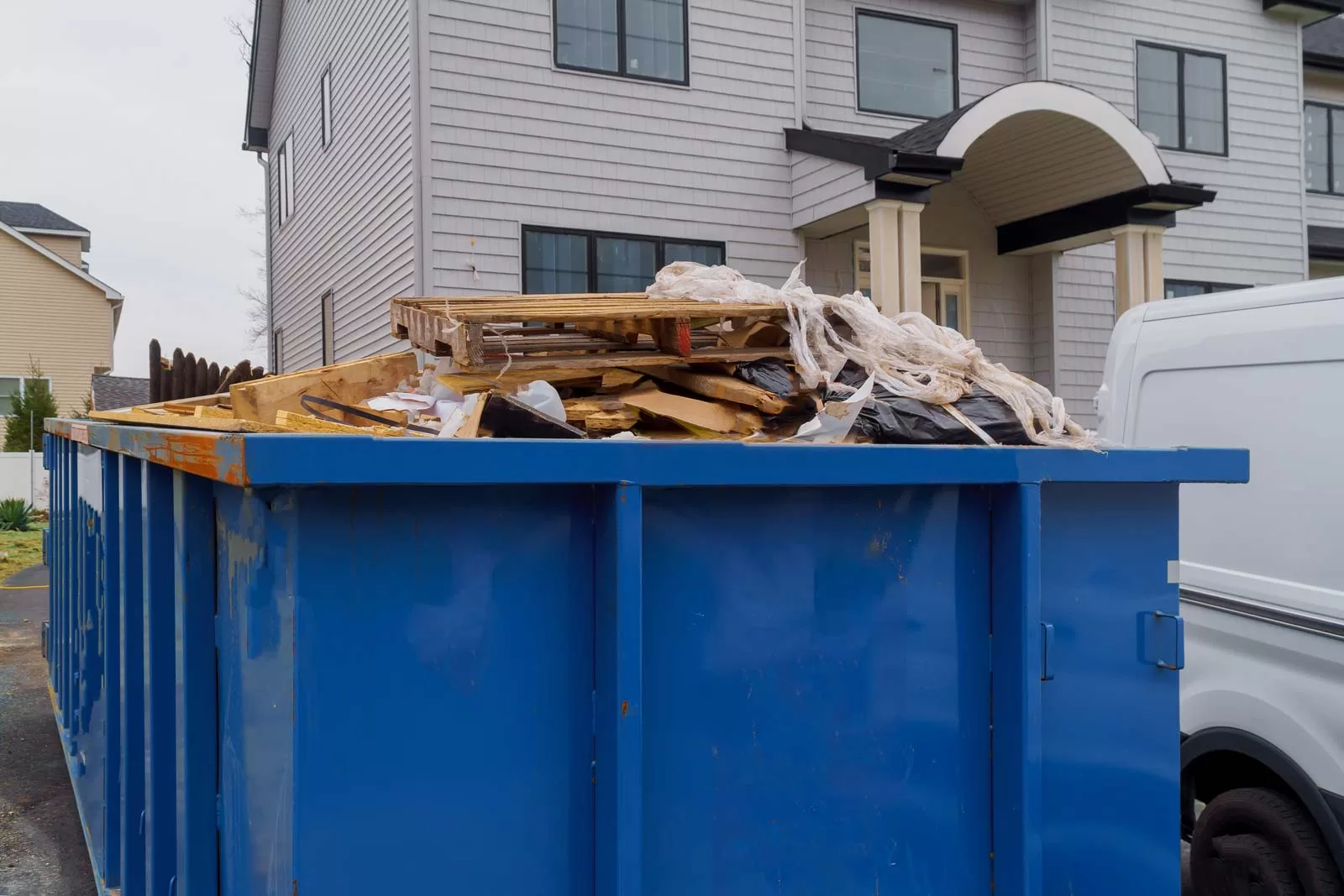
Contractors planning construction dumpster rental should look at the sequence of work, not just the final debris estimate. A container that is well matched to an early demolition phase may be too large or too small for later finish work. Heavy materials can also reach weight limits before the container looks full.
For longer projects, it can be more efficient to plan around multiple hauls or swaps rather than trying to force the entire job into a single container cycle. The goal is to keep enough capacity available without giving up more site space than necessary.
Build Pickup and Swap Timing Into the Schedule
A full container is not simply a waste problem. It can become a scheduling problem.
If a crew reaches the busiest demolition day and finds that the container is already at capacity, work may slow while material is staged elsewhere. That creates extra handling and can interfere with the next trade arriving on site. The same issue occurs when a container blocks an area that must be used for landscaping, concrete work, material delivery, or final cleanup.
Project managers should identify likely high-volume days and schedule service around those milestones. On larger renovations, the waste plan should be discussed alongside material deliveries and subcontractor sequencing. Debris removal works best when it is treated as part of site logistics rather than an isolated vendor task.
Plan for Tight Chicago-Area Sites and Access Constraints
Many Chicago-area and Northern Illinois renovation sites were not designed around modern construction logistics. Older homes may have narrow driveways. Urban and near-urban properties may rely on alleys. Multifamily buildings may have limited loading space, and suburban projects can still face landscaping, overhead obstructions, parked vehicles, or neighborhood restrictions.
Those conditions should influence both the container selection and the service plan. Teams should confirm that the proposed location has enough clearance for delivery and pickup and that the placement will not interfere with normal access. If a container may need to occupy a public street or right-of-way, local requirements should be checked before delivery because rules vary by municipality.
For locally focused projects, reviewing dumpster rental service areas early also helps confirm whether the provider regularly operates in the communities involved and can support the planned delivery and pickup schedule.
Separate Heavy, Restricted, and Unusual Materials Early
Not all renovation debris should be managed the same way. Concrete, masonry, roofing materials, dirt, appliances, and other dense or unusual loads can change the right container choice and disposal plan. Some materials may have special handling requirements or may not be accepted in a standard mixed-debris load.
The safest approach is to identify these materials before the job starts and discuss them with the disposal provider. Doing so helps avoid overloaded containers, rejected loads, unexpected charges, and last-minute changes to the work plan.
This is especially important on older-building renovations where crews may uncover materials that were not visible during estimating. A contingency plan for unexpected debris is far easier to manage than trying to solve the issue after material has already been removed.
Keep the Loading Zone Organized
Good debris logistics do not end once the container arrives. The loading area should remain an intentional part of the jobsite.
Crews should avoid creating loose piles around the container, blocking doors or sidewalks, or loading material in a way that makes the area unsafe or difficult to service. The project manager should also monitor how quickly capacity is being used rather than waiting until the container is obviously full.
An organized loading zone improves more than appearance. It makes the site easier to navigate, reduces double handling, and helps crews see when the next pickup or swap needs to be scheduled.
Early Planning Protects the Rest of the Project
Debris removal is easy to overlook because it does not install anything visible in the finished project. But it affects nearly every phase that follows demolition.
When the container location, access route, material types, capacity, and service timing are decided before work begins, debris becomes a predictable workflow instead of a recurring interruption. That helps preserve staging space, reduces unnecessary material handling, and gives project managers one less variable to solve while crews are already on site.
For Chicago-area renovation work, where space and access can be limited, that planning is particularly valuable. The best waste-management plan is not the one that attracts the most attention. It is the one that quietly keeps the project moving.