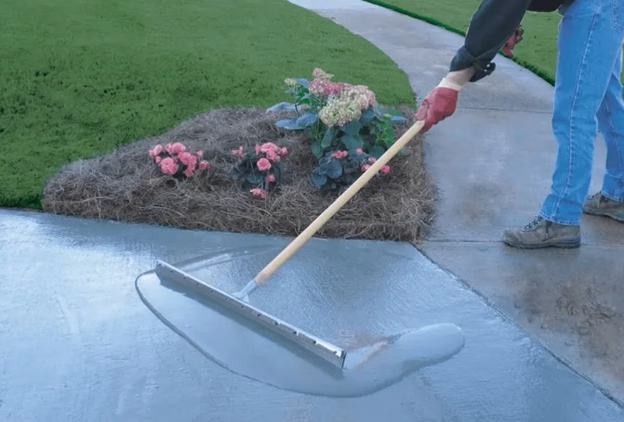
Concrete overlays are a practical solution used to renew and improve existing concrete surfaces without removing the original slab. They consist of a thin layer of specially formulated cement-based material applied over old concrete to create a fresh, smooth, and often decorative finish. These mixtures typically include cement, fine aggregates, and bonding agents that help the overlay adhere strongly to the base surface.
Instead of going through the costly and time-consuming process of demolition and replacement, property owners can rely on Concrete overlays to repair worn or damaged areas. The thickness of these overlays can vary depending on the project, ranging from very thin coatings to thicker layers for more demanding applications. This flexibility makes them suitable for both minor cosmetic improvements and more extensive surface restoration.
Benefits of Concrete Overlays
There are many reasons why Concrete overlays have become increasingly popular in both residential and commercial construction. One of the main advantages is cost efficiency. Since the original concrete remains intact, expenses related to demolition, disposal, and new materials are significantly reduced.
Another important benefit is sustainability. Reusing existing concrete minimizes waste and reduces the environmental impact associated with new construction materials. This makes overlays an eco-conscious choice for modern projects.
Durability is also a key strength. Modern overlay systems are designed to withstand heavy use, resist cracking, and handle exposure to weather conditions. With proper installation, they can perform well in high-traffic environments, including driveways and commercial spaces.
In addition to functionality, overlays offer a wide range of design options. They can be customized with colors, patterns, and textures to resemble natural stone, tiles, or even wood. This allows property owners to achieve an upgraded look without the high cost of premium materials.
Another advantage is the speed of installation. Compared to replacing concrete entirely, applying an overlay takes less time, which helps reduce disruptions in homes or businesses.
Types of Concrete Overlays
Different types of Concrete overlays are available to meet various needs and design preferences. Thin overlays are commonly used for surface refinishing and decorative purposes. They provide a clean and updated appearance without adding significant thickness.
Polymer-modified overlays are enhanced with special additives that improve strength and flexibility. These are ideal for areas that experience frequent use or temperature changes, as they are less likely to crack over time.
Micro-toppings are ultra-thin applications that create a sleek, modern finish. They are often used indoors to achieve a polished and contemporary look on floors and walls.
Spray-applied overlays are typically used in outdoor settings such as patios and pool decks. They offer slip-resistant textures, making them a safe and attractive option for wet areas.
Self-leveling overlays are designed to spread evenly across uneven surfaces, creating a smooth and flat finish. These are especially useful for interior floors that require a uniform base for further finishing.
Applications of Concrete Overlays
Concrete overlays are highly versatile and can be used in a wide range of environments. In residential settings, they are often applied to driveways, garages, patios, and indoor floors. They can transform old and unattractive surfaces into modern, visually appealing spaces.
In commercial spaces such as offices, retail stores, and restaurants, overlays provide a durable and stylish flooring solution that can handle constant foot traffic. Their customizable appearance also helps businesses create a professional and attractive environment.
Industrial facilities benefit from overlays due to their strength and resistance to wear. They can be used in warehouses and production areas to extend the life of existing concrete surfaces. Additionally, overlays are sometimes used in large-scale infrastructure projects to repair roads and pavements without complete reconstruction.
Installation Process
The performance of Concrete overlays largely depends on proper preparation and application. The process begins with cleaning the existing surface thoroughly to remove dirt, grease, and loose material. Any cracks or damaged areas must be repaired to ensure a stable base.
A bonding layer is then applied to help the overlay adhere securely to the concrete. After that, the overlay mixture is spread across the surface using appropriate tools. Depending on the desired finish, the material can be textured, stamped, or colored during application.
Once the overlay is in place, a protective sealer is applied. This enhances durability and helps maintain the appearance of the surface over time. Proper curing is essential, as it allows the material to gain strength and ensures long-lasting results.
Maintenance and Longevity
Maintaining Concrete overlays is relatively simple and does not require extensive effort. Regular cleaning helps keep the surface looking fresh, while periodic resealing protects it from wear and environmental damage.
With proper care, overlays can last for many years. Their lifespan depends on factors such as usage, exposure to weather, and the quality of installation. Consistent maintenance can significantly extend their durability and keep them in good condition.
Limitations of Concrete Overlays
Although Concrete overlays offer many benefits, they are not suitable for every situation. The existing concrete must be structurally sound for the overlay to perform effectively. If the base surface has severe cracks or underlying structural issues, these problems need to be addressed before applying an overlay.
Improper installation can also lead to issues such as peeling or cracking. For this reason, it is important to use quality materials and follow correct application techniques to achieve the best results.
Conclusion
Concrete overlays provide an efficient and versatile way to restore and enhance existing concrete surfaces. They combine affordability, durability, and design flexibility, making them a preferred choice for many renovation and construction projects.
From improving residential spaces to upgrading commercial and industrial environments, Concrete overlays continue to offer a reliable alternative to complete replacement. When applied and maintained correctly, they deliver long-term value and a visually appealing finish that meets modern standards.