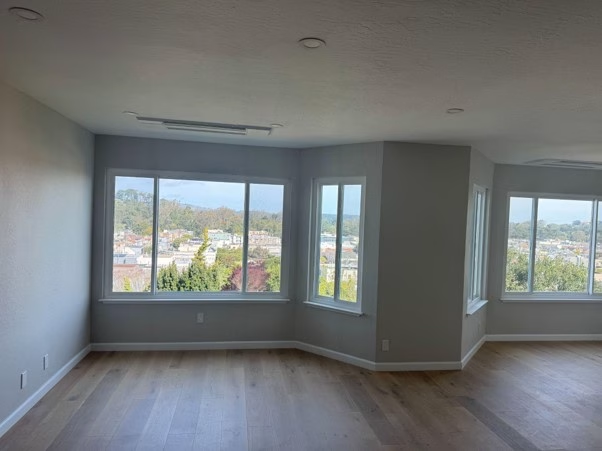
Window replacement is one of those line items that shows up on almost every flip and every value-add multifamily renovation, and yet it rarely gets the strategic attention that flooring or kitchens do. That’s a mistake, because windows are also one of the easiest places for a materials budget to quietly blow up — order eight units for a fourplex the traditional way, and you’re often looking at multiple showroom visits, a week or two waiting on a callback quote, and pricing that varies depending on which sales rep answered the phone that day.
Investors who’ve done enough of these projects tend to develop a fairly specific checklist for who they’ll actually buy windows from. It’s worth walking through what that checklist usually includes, because it explains a real shift happening in how this category gets purchased.
Speed of pricing matters more than almost anything else
On a flip, the clock is the enemy of your margin. Every week a property sits mid-renovation is a week of holding costs eating into the eventual sale profit. That makes the traditional window-buying process — schedule an in-home consultation, wait for a sales rep, wait again for a written quote — a genuine liability rather than just an inconvenience. Investors increasingly gravitate toward suppliers who show pricing instantly as you configure each window, because it collapses what used to be a multi-day back-and-forth into something you can finish before lunch.
Consistency across units, not just individual pricing
A single-family flip has different needs than a ten-unit renovation, but both share a common frustration: getting quoted differently for what should be identical products. Multifamily investors in particular need a supplier who can price and fulfill a batch order of matching windows across many units without the numbers drifting between orders placed a few weeks apart. This is where a lot of traditional showroom-based buying falls short — pricing tends to be somewhat rep-dependent and can shift between visits in ways that are hard to explain or budget around.
Delivery logistics that fit a renovation schedule, not the supplier’s schedule
Investors managing multiple properties, sometimes in different cities, need delivery that works around their construction timeline rather than the other way around. A supplier offering standardized job-site delivery, with a predictable cost and a known production window, is worth more to a repeat investor than a marginally lower per-unit price paired with unpredictable lead times. Knowing that an order placed today will land in roughly three to six weeks, consistently, lets a project manager actually sequence the rest of the renovation around it instead of guessing.
The ability to buy without setting foot in a showroom
This sounds like a small thing until you’re managing five renovations at once across a few different zip codes. Investors who’ve scaled past their first flip or two tend to stop valuing the in-person showroom experience almost entirely — they know what a Low-E double-pane vinyl window looks like, they know their sizes, and they’d rather spend that hour underwriting the next deal than sitting through a sales presentation they don’t need.
Financing flexibility for larger orders
On bigger projects, particularly multifamily value-add deals, spreading a materials order across a few payments rather than paying the full amount upfront can matter for cash flow, especially mid-renovation when capital is already stretched across contractors, permits, and holding costs. Suppliers offering built-in financing options at checkout — rather than requiring a separate financing conversation entirely outside the purchase process — are increasingly attractive to investors running several projects simultaneously.
How this plays out with a supplier like ClearMax
One San Diego-based window and door retailer is a fairly direct example of a supplier built around these specific priorities rather than the traditional showroom model. Its wholesale ordering system lets contractors, builders, developers, and investors configure windows — size, frame type, glass package, color — and see live pricing before committing to anything, with standardized job-site delivery available across the contiguous United States and production timelines that run in the range of three to six weeks depending on the order.
For an investor managing several units on a single property, or several properties at once, that combination — instant pricing, consistent specs across a batch order, and delivery that doesn’t require a separate negotiation each time — tends to matter more than shaving another few dollars off a per-unit price through a traditional distributor relationship. It’s a big part of why a growing number of investors now treat an online-first, configurator-based supplier as the best place to buy windows wholesale for repeat project work, rather than defaulting to whichever local showroom or distributor happens to be closest.
The bigger shift this reflects
None of this is really about windows specifically. It reflects a broader pattern in how experienced investors buy materials at scale: they optimize for speed, consistency, and predictability over the marginal savings a slower, more traditional purchasing process might occasionally offer. Once an investor has been burned by a delayed shipment or an inconsistent quote on one project, that experience tends to shape every purchasing decision on every project after it.