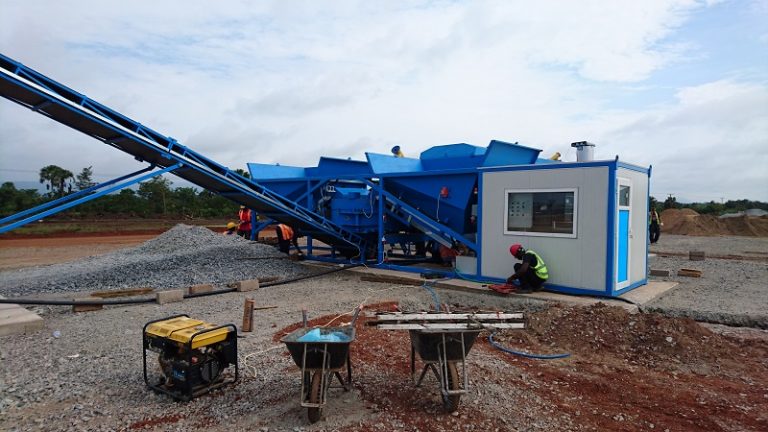
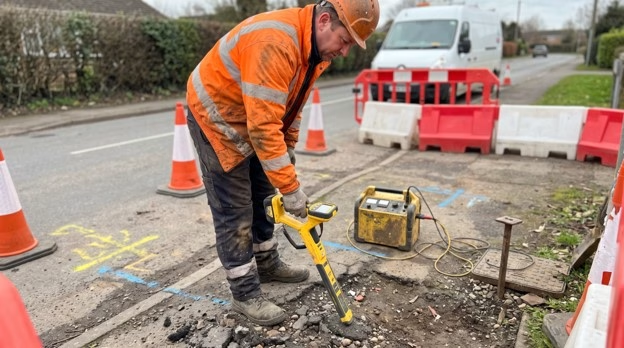
Hiring plant is a normal part of running construction projects. It gives contractors access to specialist equipment without tying up capital, and lets them scale up or down as workloads change. The UK plant hire sector contributes around £14 billion to the economy and supports more than 191,000 jobs, according to an Oxford Economics study for the Construction Plant-hire Association.
However, hired plant only saves money while it’s being used. Once a job is finished, a generator or mini excavator left on site keeps costing the contractor until it is formally off-hired and returned. On busy projects with several suppliers and changing site teams, that is easy to miss.
When hire charges stop
Part of the problem is that hire charges run for longer than many site teams realise. Under the CPA Model Conditions for the Hiring of Plant, which many UK hire companies use as their standard terms, the hire period continues until the plant is received back at the owner’s depot or another agreed location. That includes evenings, weekends and holiday periods when the equipment is left on site.
An off-hire request on its own isn’t always enough either. The conditions state that an off-hire is only accepted once the owner issues a confirmation. If the paperwork goes astray, or the request is made by phone and never confirmed, charges can carry on.
The cost builds up quickly. Self-drive hire of a 1.5 to 3 tonne mini digger typically costs £350 to £650 a week, according to MyBuilder’s price guide, as a result one left on site over a two-week shutdown could cost £700 to £1,300 for no work at all.
Why hired equipment gets forgotten
So why does plant get left on hire? It’s rarely deliberate. Hired kit tends to be looked after by whoever ordered it, separately from the equipment the contractor owns, and when that person moves to another site or goes on holiday, nobody else is keeping an eye on it.
It doesn’t help that plant moves about. A generator hired for one job might go to another site when the first finishes early, and the hire record often stays where it was. When the invoice turns up a month later, nobody can say for sure where the generator went or when anyone last used it.
Liability for lost or stolen plant
There is also a risk beyond the hire charges. The CPA conditions make the hirer liable for loss of or damage to the plant for the whole hire period. If a forgotten machine is stolen from a finished site, the contractor may be responsible for its full value.
Damage waivers offered by hire companies usually exclude theft, so hired equipment left unattended on a site the contractor has already moved off is particularly exposed.
Tracking hired plant alongside owned equipment
Asset tracking helps with both the cost and the risk by giving contractors one view of all the equipment on their sites, whether they own it or have hired it in. Small, removable tags can be fitted when hired equipment arrives and taken off when it’s collected, with the hire company’s agreement.
With hired kit shown on the same map as owned plant, site and commercial teams can see what’s still on hire and which site it’s on. If a machine hasn’t moved for days on a project that has finished, that’s a clear prompt to off-hire it.
Geofences around each site help as well. When hired equipment leaves a site, managers receive an alert, so they know it has been collected or moved and can check that the hire record matches.
Settling disputes over return dates
Contractors and hire companies often disagree about when plant actually went back, particularly if the collection was arranged at the last minute. Location history gives both sides an independent record of when the equipment left site and where it ended up.
Commercial teams can check every hire invoice against it. If the supplier has billed for days after the machine went, the contractor has the dates to dispute it. If the kit really was still on site, that’s useful to know too, because it means the off-hire process at the contractor’s end needs work.
Putting it into practice
For contractors who want to start tracking hired plant, a few simple habits make it much more effective. Tag hired equipment when it’s delivered and record the hire reference against it. Go through a list of on-hire items by site each week, with anything idle highlighted. Send off-hire requests in writing and keep the confirmation, and check each hire invoice against the location records before approving it.
Contractors hire plant for the flexibility it gives them. Knowing where every hired item is, and when it stops being needed, means they only pay for the days they actually use it.