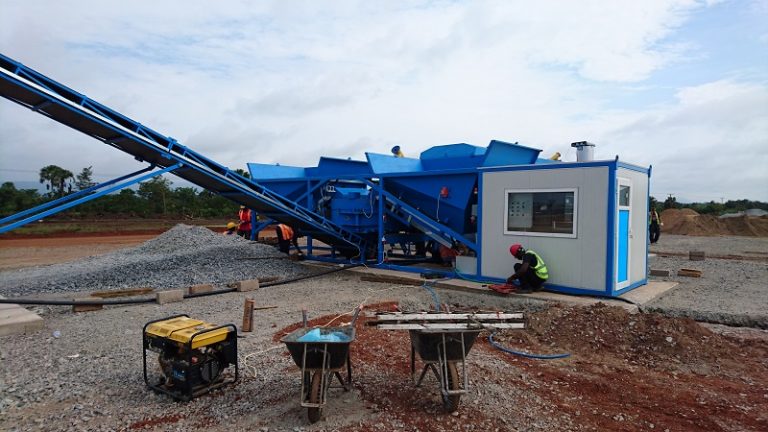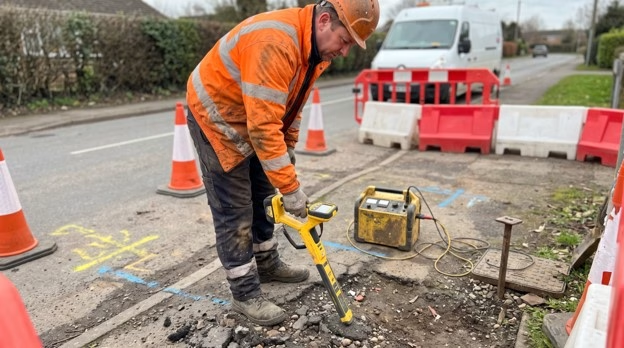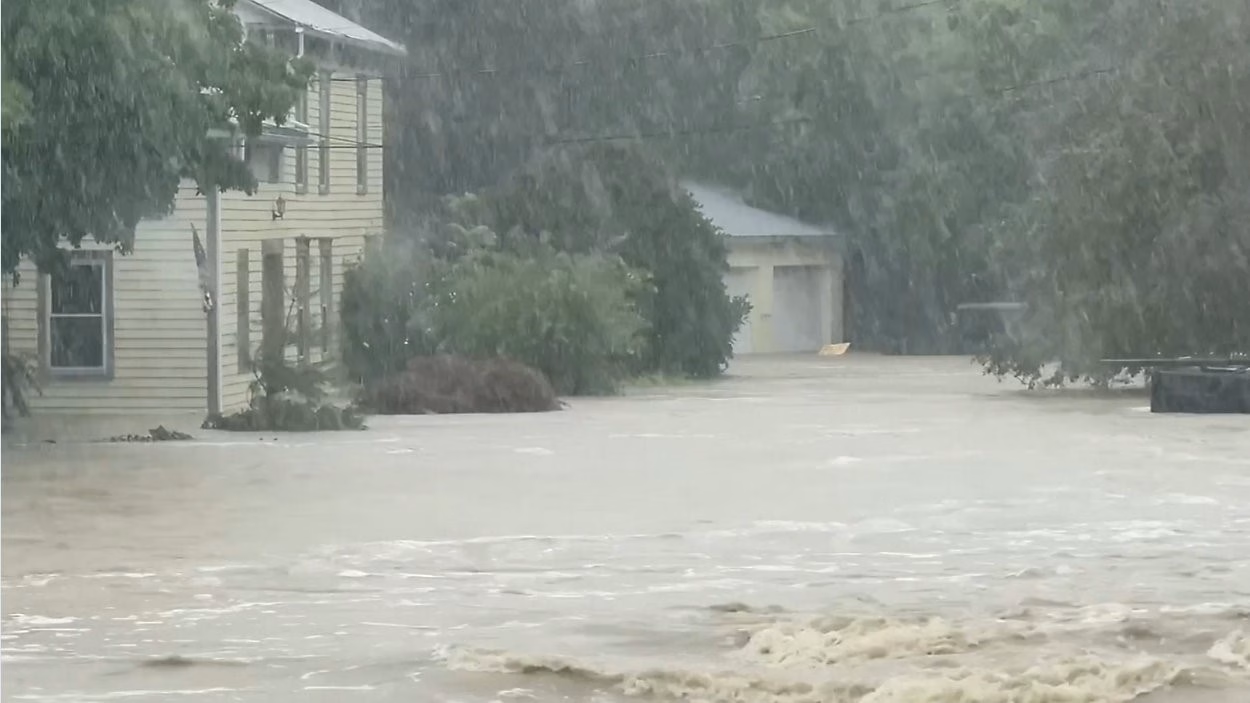
Construction sites are messy by nature. Soil gets disturbed, vegetation comes out, and grading changes how water moves across a surface. None of that is avoidable. What is avoidable is the downstream damage that follows when those disturbances are not managed properly. Sediment leaves the site in stormwater, silt enters drainage systems, and the consequences show up far from where the mismanagement happened.
Regulatory pressure around site environmental management has been increasing, and the timeline for compliance now runs from day one of earthworks rather than from practical completion. Projects that treat environmental controls as a final-phase task consistently end up in more expensive situations than those that build them into the construction program from the start.
1. Sediment and Erosion Control from the Beginning
The risk window for sediment loss is widest during active earthworks, when disturbed soil has nothing holding it in place. Getting erosion mitigation done for environmental purposes before the first rain event is what separates operations that stay compliant from those dealing with an incident report afterward. Rock filter bags positioned at drainage points and inlets slow water flow and allow suspended particles to settle before runoff leaves the site boundary. They handle high-flow conditions without requiring constant supervision, which matters on a busy site.
Placement is everything with sediment controls. A filter bag at a drain inlet does limited work if the slope above it is actively washing material at a rate the bag cannot process. The controls have to function as a connected system, not as isolated installations.
2. Water Management for Sites Near Natural Waterways
Sites adjacent to waterways carry a higher compliance burden because the margin for error is smaller. Controlling water erosion has been critical on projects near sensitive receiving environments, where even modest sediment discharge can trigger a regulatory response. A water management plan that accounts for storm events during construction, not just average conditions, is the one that actually holds up when the weather pushes the system.
Temporary drainage infrastructure, check dams, and perimeter controls all need coordination. The system has to work as a whole. Individual controls placed without mapping the full site flow path rarely perform as intended under real conditions.
3. Dust and Air Quality
Dust suppression gets less attention than sediment control but carries its own compliance obligations. Disturbed soil on a dry, windy day generates particulate matter that affects air quality and community relations simultaneously. Water trucks, suppressants, and temporary windbreaks are deployed based on site conditions and proximity to sensitive receptors. Reactive dust management costs more and creates more complaints than a proactive program built into the site plan.
4. Topsoil and Vegetation Management
Properly stripping and stacking topsoil preserves the biological material needed for revegetation at project completion. The organic material that makes topsoil stockpiles beneficial is lost when they are left exposed, compacted by machines, or allowed to degrade. Many project budgets include the needless expense of importing growth medium at the end of a project due to poor management of the original topsoil.
Conclusion
Environmental controls on construction sites run from the first day of earthworks to practical completion. Projects that treat them as a program responsibility rather than a compliance formality stay on schedule, stay out of trouble, and spend less cleaning up avoidable problems than those that learn the lesson after the fact.