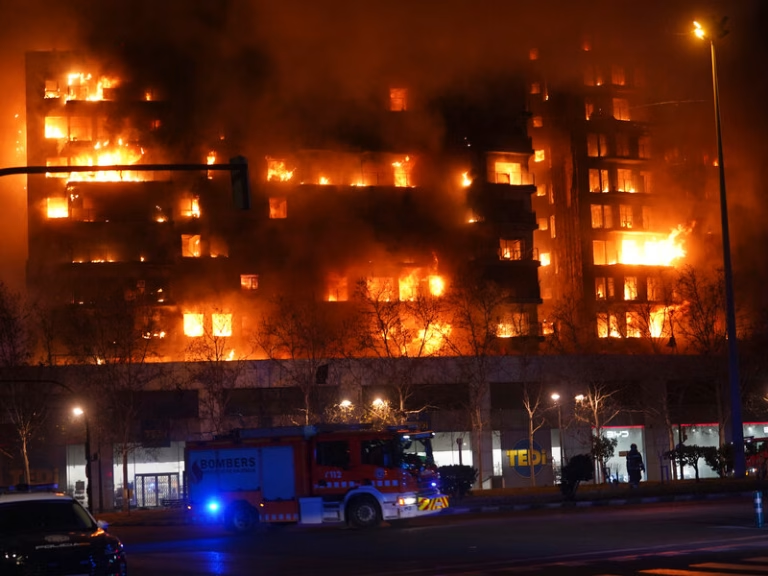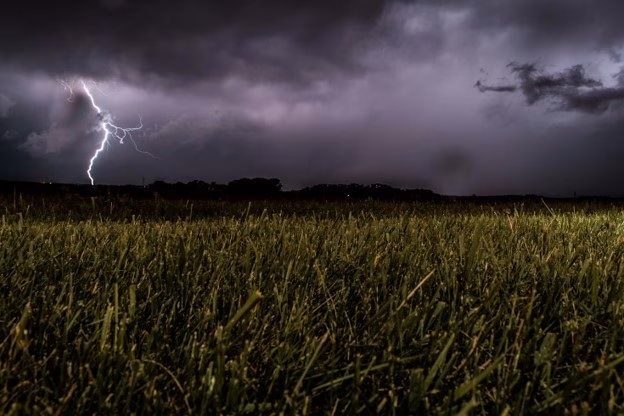
Facility managers nationwide face an unprecedented convergence of climate-driven threats. Extreme heat waves push heating, ventilation and air conditioning (HVAC) systems past their limits, while flooding threatens electrical infrastructure and rolling blackouts force emergency responses. This new reality demands a fundamental shift in how you approach building maintenance and preparedness, as waiting for equipment failure during crises is no longer viable when disasters strike with increasing frequency.
The Converging Threat to Building Infrastructure
Severe weather events are placing a growing strain on power grids and aging building systems. When temperatures soar, demand for air conditioning spikes across entire regions simultaneously. This surge in electricity consumption often triggers load-related outages during peak periods, potentially leaving your facility without power at the worst possible moment.
Extreme heat degrades the performance of electrical conductors and transformers. Your HVAC systems work overtime to maintain safe conditions, accelerating wear on components that may already be nearing the end of their service life.
Flash floods and rising water tables pose additional threats, particularly to electrical and subgrade infrastructure. Below-grade mechanical rooms, basement switchgear and subterranean utility vaults are vulnerable to water ingress that can destroy unsealed equipment instantly.
These converging threats create a cascading risk where one system failure can trigger others. Extended downtime affects operations and endangers occupants while generating substantial financial losses. The question is no longer whether your facility will face these challenges, but when.
Why Reactive Maintenance Fails During Climate Crises
Waiting for equipment to break during emergencies creates massive operational and financial problems. When your HVAC system fails during a heat wave or electrical infrastructure shorts out during a flood, you face emergency repair costs that are typically higher than scheduled maintenance while also waiting days for parts and qualified technicians during widespread disasters.
Structured preventive maintenance programs can deliver up to a 545% return on investment through a combination of reduced repairs, avoided downtime and extended equipment lifespans. These savings compound over time as you catch small issues before they become catastrophic failures.
Reactive maintenance leaves you vulnerable during the exact moments when reliable systems matter most. You can’t afford to discover that your backup power system doesn’t work when the grid goes down or that your cooling capacity is inadequate when temperatures reach record highs.
Adopting a New Standard of Emergency Preparedness
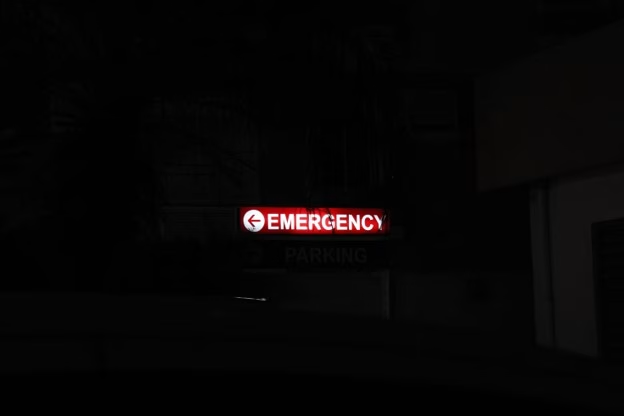
The shift to proactive disaster resilience starts with better data collection and analysis. You need to understand your building’s energy consumption patterns, identify critical loads and anticipate how extreme conditions will affect your systems before a crisis hits. Modern predictive modeling technology analyzes historical and real-time data to automate energy distribution and detect early deviations before breakdowns occur.
Many facilities, like the University of California San Diego, now implement established protocols for climate events, including electrical load-shedding strategies and automated building adjustments. These systems can reduce noncritical loads while optimizing HVAC performance and protecting essential equipment without manual intervention.
Emergency preparedness strategies should also consider communication. Rolling blackouts can disrupt cellular networks and internet connectivity. With the establishment of redundant, offline communication channels, such as encrypted two-way radios or satellite messengers, on-site technicians and emergency responders can coordinate effectively.
Facilities that invest in monitoring technology, staff training and in-depth emergency preparedness are better positioned to reduce disruption, protect critical systems and recover faster after events that can overwhelm less-prepared buildings.
Top Solutions to Build Disaster-Resilient Facilities
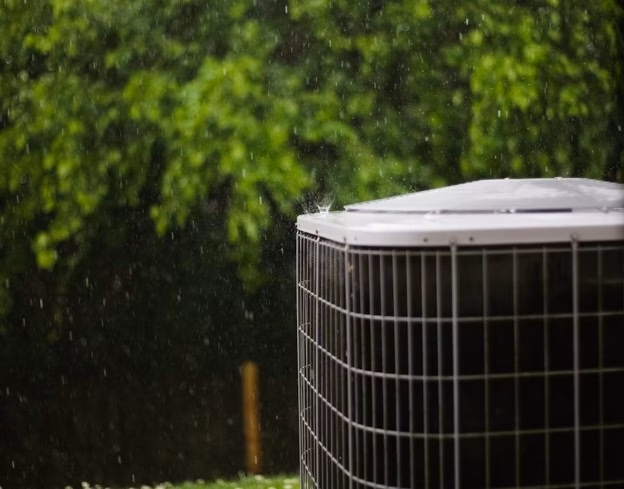
Surviving this new reality requires partnerships with suppliers who understand emergency preparedness and can deliver when you need them most. These experts provide essential infrastructure solutions and equipment that keep your facility operational during climate-driven disasters.
Blackhawk Supply
When you need critical replacement parts fast, Blackhawk Supply delivers high-quality HVAC parts and supplies to professionals nationwide. The company also provides plumbing solutions, electrical components and control systems. Its inventory supports facility maintenance before extreme weather strikes and enables quick operational restoration after emergencies.
Its primary unique value propositions include:
- Free shipping on orders over $999+: Makes stocking up on critical components more affordable
- Bulk discounts: Reduce costs when building emergency inventory reserves
- Fast shipping: Gets replacement parts to your facility quickly during urgent situations
Global Industrial
Global Industrial specializes in emergency preparedness kits and warehouse safety gear for facility managers preparing for climate-related disruptions. Its product selection includes first-aid supplies, backup power solutions and worker protection equipment for emergency response scenarios.
Key features include:
- Complete emergency kits: Preassembled solutions for immediate deployment
- Industrial safety equipment: Protection gear for workers responding to facility emergencies
- Backup power supplies: Generators and battery systems to maintain critical operations
MSC Industrial Supply
MSC Industrial Supply provides emergency safety supplies and equipment for manufacturing and heavy industrial operations. Its catalog focuses on industrial-grade equipment for facilities, including HVAC systems, that must maintain compliance with standards during climate-related emergencies and operational disruptions.
Its notable highlights include:
- Industrial PPE: Comprehensive personal protective equipment for emergency response teams
- Compliance-focused solutions: Products that meet stringent safety regulations
- Manufacturing-specific gear: Equipment designed for heavy operations and industrial facilities
Finding Financing and Grant Opportunities
Facility managers may be able to offset the capital expenditures required for disaster-focused retrofits by leveraging state climate resilience grants, federal hazard mitigation funding and municipal utility rebate incentives. Some local energy providers may offer financial assistance for upgrading to smart, automated HVAC load-shedding controls and installing high-efficiency backup generators. These programs can help lower the barrier to proactive infrastructure hardening.
Secure Your Infrastructure Before the Next Outage
The need for climate-ready infrastructure is urgent, and your facility must adapt. The convergence of extreme heat, flooding and power grid failures represents a permanent shift in the operating environment for facility managers, making proactive disaster resilience the new standard for protecting operations, occupants and financial stability.
Take action now by conducting a comprehensive vulnerability audit of your building systems. Identify critical equipment that needs immediate attention and establish relationships with reliable suppliers. Develop clear emergency protocols for your team, because the next heat wave, flood or blackout is coming — and your facility needs to be ready.