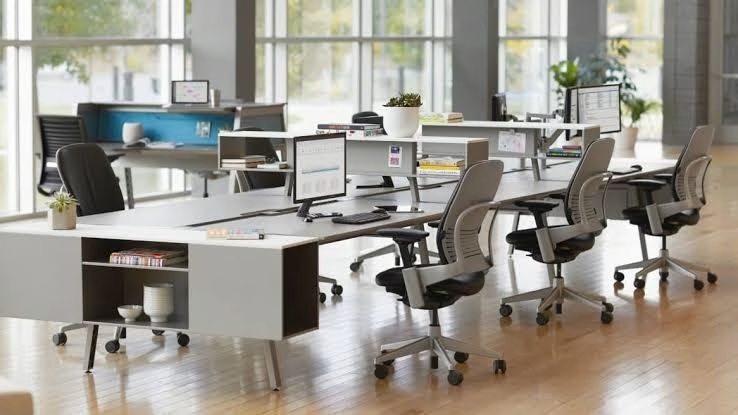
Buying a refurbished office chair can be a smart way to get reliable seating without paying the full price of a new model when carrying out an office renovation. However, not every chair described as refurbished has received the same level of attention. If you plan to buy refurbished Steelcase chairs, it’s worth looking beyond the photos and checking the condition of the materials, moving parts, and overall construction.
A good refurbished chair should offer more than a clean appearance. It should be properly inspected, repaired where needed, and tested to make sure its main functions work as expected. Understanding the refurbishment process and knowing which details to inspect can help buyers make a more informed choice.
Why Consider a Refurbished Office Chair?
The word “refurbished” doesn’t simply mean that a chair has been used and cleaned. A properly restored model may have damaged or worn components replaced, its surfaces cleaned, and its adjustment mechanisms checked. This gives buyers an opportunity to own a premium chair at a lower cost than a new one.
Well-known ergonomic brands often build their chairs with long-term use in mind. Instead of replacing the entire product when one part wears out, individual components can often be repaired or changed. This makes refurbished models a practical option for home offices, growing businesses, and workplaces that need several chairs.
There are other benefits, too. Reusing office furniture helps reduce waste and keeps functional products out of landfills. Rather than sending an older chair away simply because its upholstery or casters have worn down, a refurbishment process can give it another useful life.
Still, the condition of each chair matters. A low price alone doesn’t prove that a model has been restored properly.
Start with the Brand and Its Construction
The manufacturer is a useful starting point when assessing a refurbished chair. Brands such as Herman Miller, Steelcase, and Haworth have built strong reputations for ergonomic design and durable construction.
One reason these manufacturers are common choices in the refurbished market is their use of modular components. Parts such as armrests, wheels, and seat cushions can often be repaired or replaced without affecting the chair’s main structure.
This is important because the quality of the original construction can influence how well a chair performs after refurbishment. A model with a strong frame and serviceable components may remain useful even when some parts show signs of wear.
When comparing options, consider the following:
- Manufacturer reputation: Look for brands known for producing ergonomic chairs designed for regular use.
- Replaceable components: Check whether important parts can be repaired or replaced.
- Overall construction: Pay attention to the frame, base, and adjustment mechanisms.
- Model information: Make sure the seller identifies the chair and explains its condition clearly.
Popular brands include Herman Miller, Steelcase, Humanscale, and Haworth. Their established designs and durable construction make them worth considering when shopping for refurbished seating.
Inspect the Materials and Main Components
A chair may look almost new in product photos, but its actual condition becomes clearer when you examine its individual parts. A careful inspection can help you spot poor refurbishment work before making a purchase.
Seat Foam and Cushion Support
Start with the seat. The foam should feel even and supportive rather than thin, lumpy, or heavily compressed. If you can feel the hard structure underneath while sitting, the cushion may no longer provide enough support.
A properly refurbished chair should have foam that maintains its shape and provides a comfortable sitting surface. If the original padding was worn, it should have been replaced correctly.
Upholstery and Mesh
Next, look closely at the seat and backrest materials. Fresh upholstery should be fitted neatly, without loose sections or visible damage. Check the fabric for pilling, worn patches, and uneven areas.
Mesh requires a different kind of inspection. It should be stretched tightly across the frame and provide consistent support. Sagging, loose sections, or tears may indicate that the material has deteriorated or wasn’t replaced properly.
Casters and Base
The base and wheels affect how safely and smoothly a chair moves. Casters should roll without getting stuck or making unusual movements. The base should be stable and free from cracks.
Pay attention to the connection between the wheels and the base as well. Even if the upholstery looks excellent, damaged structural components can affect the chair’s overall performance.
Hydraulic Lift
The gas lift controls the seat height. When testing it, raise and lower the chair to check whether the movement is smooth and consistent.
A seat that slowly sinks after being raised is a warning sign. The same applies to a cylinder that causes the chair to wobble. These issues may indicate that the hydraulic lift needs attention or replacement.
Adjustment Controls
An ergonomic chair should allow users to change its position and support settings. Test every available adjustment rather than assuming that all controls work.
Pay particular attention to:
- Tilt lock, which should hold the selected position.
- Lumbar support, which should stay where it is set.
- Armrests, which should remain stable after adjustment.
- Other moving controls, which should operate smoothly and hold their positions.
If a lever moves without changing the chair’s position, or an armrest slips after adjustment, the mechanism may need repair.
The table below summarizes the main areas to inspect.
| Component | What a good condition looks like | Warning signs |
| Seat foam | Even, supportive cushioning | Thin, lumpy, or compressed foam |
| Upholstery | Fresh fabric without visible wear | Pilling, loose fabric, or damaged areas |
| Mesh | Tight and evenly stretched | Sagging, tears, or loose sections |
| Casters | Smooth and stable movement | Sticking, wobbling, or damage |
| Base | Stable structure without cracks | Cracks or visible structural damage |
| Hydraulic lift | Smooth height adjustment | Sinking or wobbling |
| Adjustment controls | Firm movement and secure positioning | Loose controls or settings that won’t hold |
Understand What the Refurbishment Process Includes
Not all sellers use the same methods. Some may only clean a pre-owned chair and list it for sale, while others take it apart, replace worn components, and test its mechanisms.
A thorough refurbishment process should involve more than surface cleaning. Before buying, ask the seller what work was completed and whether the chair was checked for stability and performance.
Useful questions include:
- Were any components replaced? If so, which ones?
- Was the chair tested after the refurbishment work?
- Were its adjustment mechanisms checked?
- Was the model recertified by a trusted partner?
The answers can help you understand whether the chair received a complete restoration or only minor cosmetic attention.
A detailed process may include mechanical disassembly, inspection of individual parts, replacement of worn components, deep cleaning, reassembly, and final testing. For example, a gas cylinder, casters, or lumbar support parts may be replaced when necessary. Worn seat foam and upholstery may also need to be renewed.
Cleaning is another important step. A reputable refurbisher should clean and disinfect the chair thoroughly. Some may use industrial steam cleaning, while others follow different professional cleaning methods. Ask what process was used, especially if hygiene is a priority.
Used vs. Refurbished: What’s the Difference?
These terms are sometimes used as if they mean the same thing, but there is an important distinction.
A used chair is generally sold in its existing condition. The previous owner may have cleaned it, but there is no guarantee that worn components have been replaced or that its mechanisms have been tested.
A refurbished chair should have gone through a restoration process. This usually includes cleaning, inspection, and repairs or replacements where needed.
| Feature | Used office chair | Refurbished office chair |
| Condition | Sold in its existing state | Restored before resale |
| Cleaning | Depends on the seller | Should include thorough cleaning |
| Worn components | May remain unchanged | Replaced when necessary |
| Mechanical testing | Not always performed | Should be part of the process |
| Documentation | May be limited | Seller should explain the work completed |
Keep in mind that the word “refurbished” alone doesn’t guarantee a particular level of quality. Always ask for details about the work performed.
Frequently Asked Questions
Are refurbished office chairs hygienic?
They can be. Reputable refurbishers clean and disinfect chairs before resale. They may also replace fabric or foam components when the original materials are too worn to be restored properly. Ask the seller which cleaning methods were used and whether any upholstery was replaced.
Which brands are worth considering?
Herman Miller, Steelcase, Humanscale, and Haworth are popular choices because of their durable construction and ergonomic designs. However, the condition of the individual chair is just as important as its brand.
Is a refurbished chair always better than a used one?
Not automatically. A refurbished chair should have received professional attention, but the quality of that work depends on the seller. A well-maintained used chair may be in better condition than a poorly restored one. Check the components, ask about the refurbishment process, and review any available warranty or support terms.
Conclusion
Choosing a quality refurbished office chair requires more than checking its appearance or comparing prices. Start with the manufacturer’s reputation, then inspect the seat foam, upholstery, mesh, casters, base, hydraulic lift, and adjustment controls. Each of these parts contributes to the chair’s comfort, stability, and everyday performance.
Most importantly, find out what the seller actually did during refurbishment. A chair that has been disassembled, inspected, repaired, cleaned, and tested offers more confidence than one that has only received a quick cosmetic refresh. With careful checks and clear information, buyers can find refurbished seating that combines practical value with dependable everyday use.